Cheese and wine — everyone understands that. Cheese and beer — by now too. Cheese and gin is still uncharted territory. And yet it is natural: cheese and gin share the same logic of origin in Switzerland. Both arise from animal or plant raw materials shaped by climate, soil and season. Both carry terroir. Both need time and craft.
What is missing is awareness of this connection. We want to change that.
The Basic Rule: Fat Buffers, Spice Connects
Cheese contains a great deal of fat. Fat buffers alcohol and softens sharpness. This means: a gin that feels too direct neat opens up alongside a mild cheese. The texture of the distillate changes — it seems softer, more accessible. That is the first mechanism.
The second: spice connects. The herbal notes of Solstice Gin — gentian, alpine oregano, elderflower — have counterparts in aged mountain cheeses. A cheese ripened for months on alpine meadows carries herbal traces that speak the same language as our botanicals.
Five Pairings That Actually Work
1. Solstice Gin neat + Gruyère (18 months)
Aged Gruyère is salty, nutty, with a faint caramel background. Solstice Gin neat emphasises the nutty note of the cheese and extends the salty-spiced finish. The gentian bitterness gives the pairing structure. Recommendation: a small glass, room temperature, no ice.
2. Johann G&T + Vacherin Fribourgeois
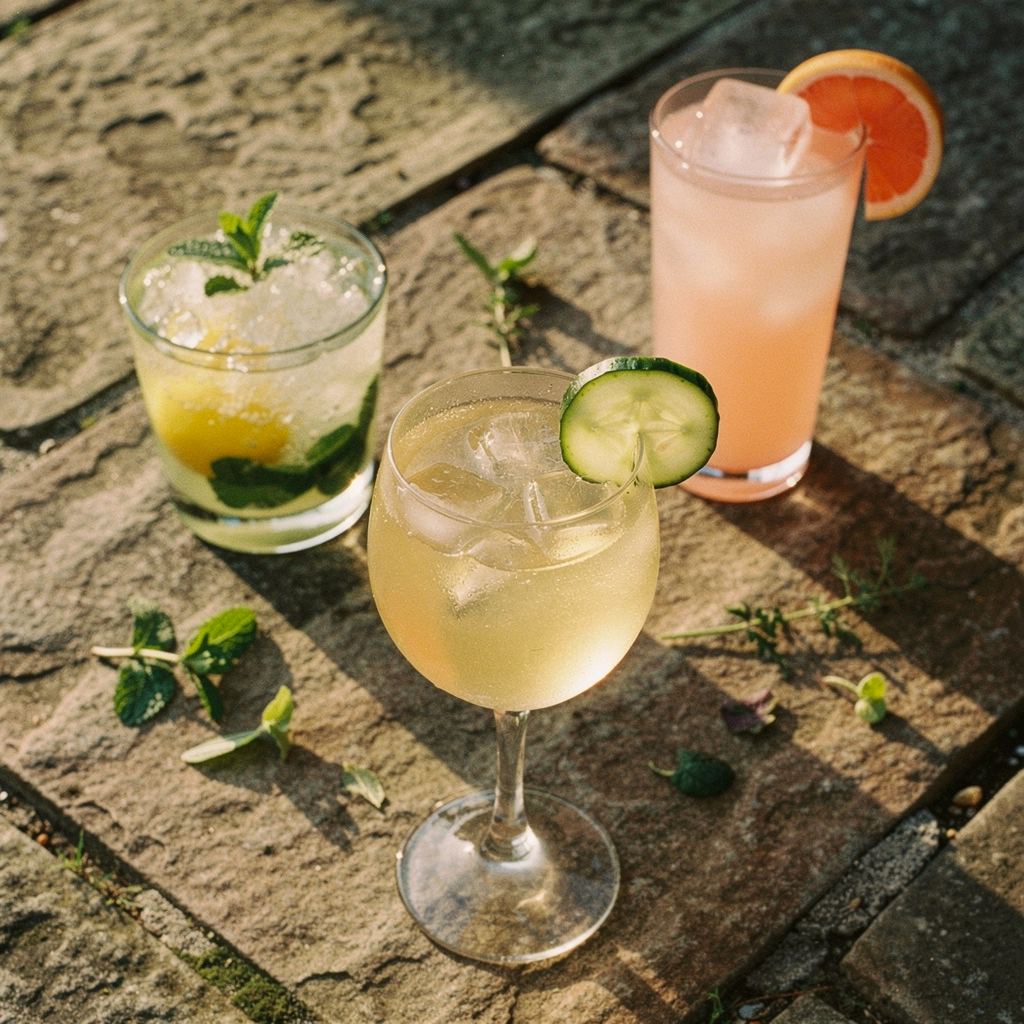
Vacherin is mild, creamy, slightly acidic. With the Johann G&T (cucumber garnish) you get a fresh, faintly floral combination. The carbonation of the tonic cuts through the creaminess of the cheese. Good for beginners trying the pairing for the first time.
3. Rarner Gin + Appenzeller Extra
Appenzeller Extra is pungent, spiced, with a herbal finish — ripened in a secret herbal brine. With Rarner Gin the result is a herb-on-herb encounter that is more than the sum of its parts. Not for everyone, but convincing for those who like it.
4. Hiemalis Gin + Raclette du Valais (warm)
Warm raclette with Hiemalis Gin: the gin's spice notes — cinnamon, cloves, allspice — meet the melting, faintly smoky cheese aroma. This sounds like a winter evening. It is a winter evening. The gin as a digestif after the raclette, not as an accompaniment during.
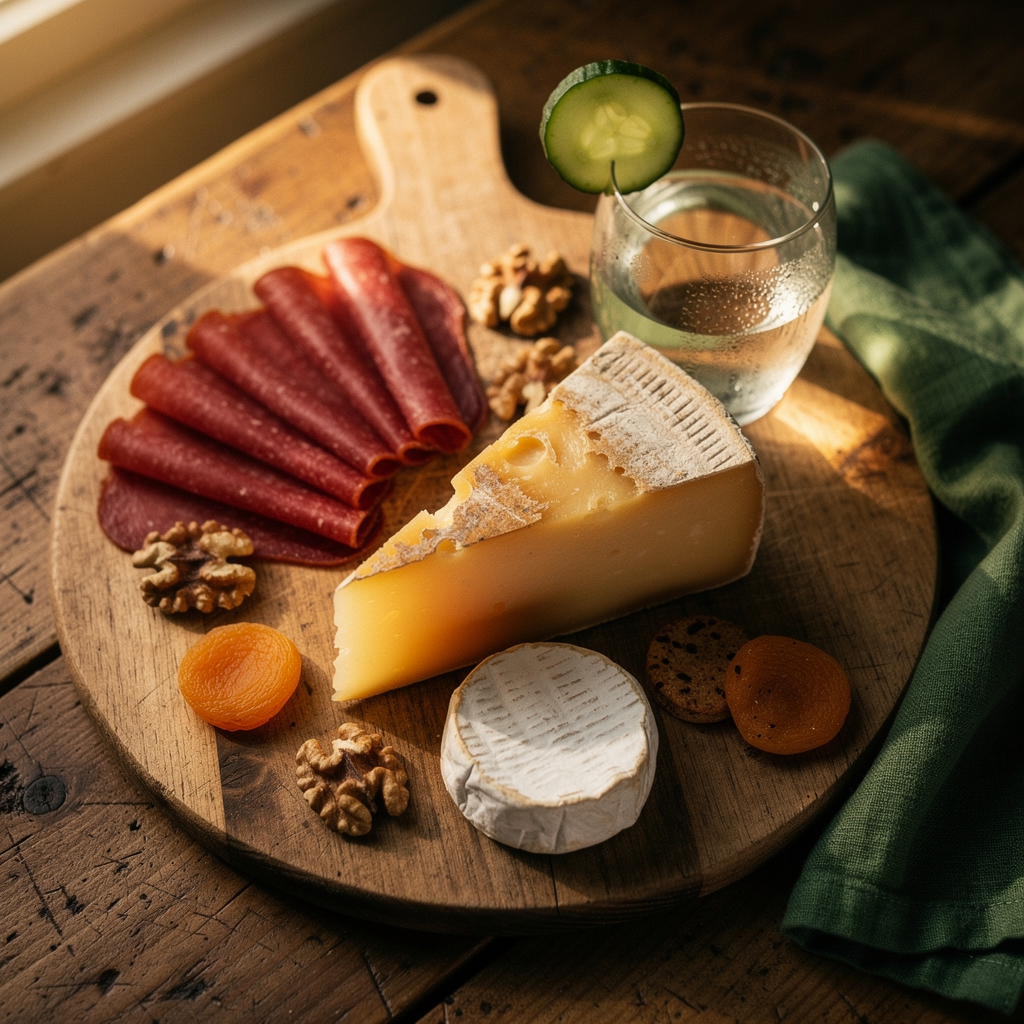
5. Solstice Gin + Valais Dried Meat + Tomme
Not just cheese: the classic Valais apéro plate of dried meat and Tomme is the ideal stage for Solstice Gin. The dried meat brings salt and spice, the Tomme earthiness and creaminess. The gin connects both. This is no longer an experiment — it is a tradition in the making.
What Doesn't Work
Fresh cheeses with high acidity (goat's cheese, ricotta) fight with the herbal notes of the gin. The acidity masks the floral elements; the gin seems harsh and unharmonious. The same applies to very young, characterless cheeses: they disappear behind the gin without contributing anything.
Aged cheese, melting cheese, mountain cheese — that is the terrain in which Solstice Gin feels at home.