The Bee's Knees emerged in the 1920s during American Prohibition — as a method for making low-quality bathtub gin drinkable with honey and lemon. The result was accidentally a good cocktail.
The formula: 6 cl gin, 2 cl fresh lemon juice, 1.5 cl honey syrup. Shake everything with ice, double strain into a chilled coupe. No garnish, or a small piece of lemon zest.
The critical point is the honey syrup. Straight honey mixes poorly — it is too viscous and does not dissolve evenly in the shaking process. The solution: dilute honey 1:1 with warm water (do not boil — this destroys aromatics). This produces a syrup that stays liquid when cold and distributes evenly through the drink.
Which honey? This is not a theoretical question. A mild acacia honey stays in the background and sweetens the profile without its own character. A robust Valais mountain honey brings beeswax, herbs, and a hint of resinousness — it changes the drink noticeably. With Solstice Gin we recommend Valais mountain honey: the herbal notes of the honey speak to the gentian in the gin and reinforce the alpine identity of the drink.
The ratio matters. Less honey syrup makes the drink cleaner and sharper but also thinner. More syrup makes it more full-bodied but can overwhelm the gin. 1.5 cl is the starting point — adjust from there depending on the sweetness of the honey and personal taste.
Why Solstice Gin? Because gentian pushes back against the honey. Without bitterness in the gin the Bee's Knees easily becomes too round, too sweet, too unrelentingly friendly. The gentian anchor of Solstice Gin ensures tension stays in the glass.
Variation: with a spoonful of lavender blossom honey in place of mountain honey the drink becomes more floral and lighter — more summer terrace than mountain hut.
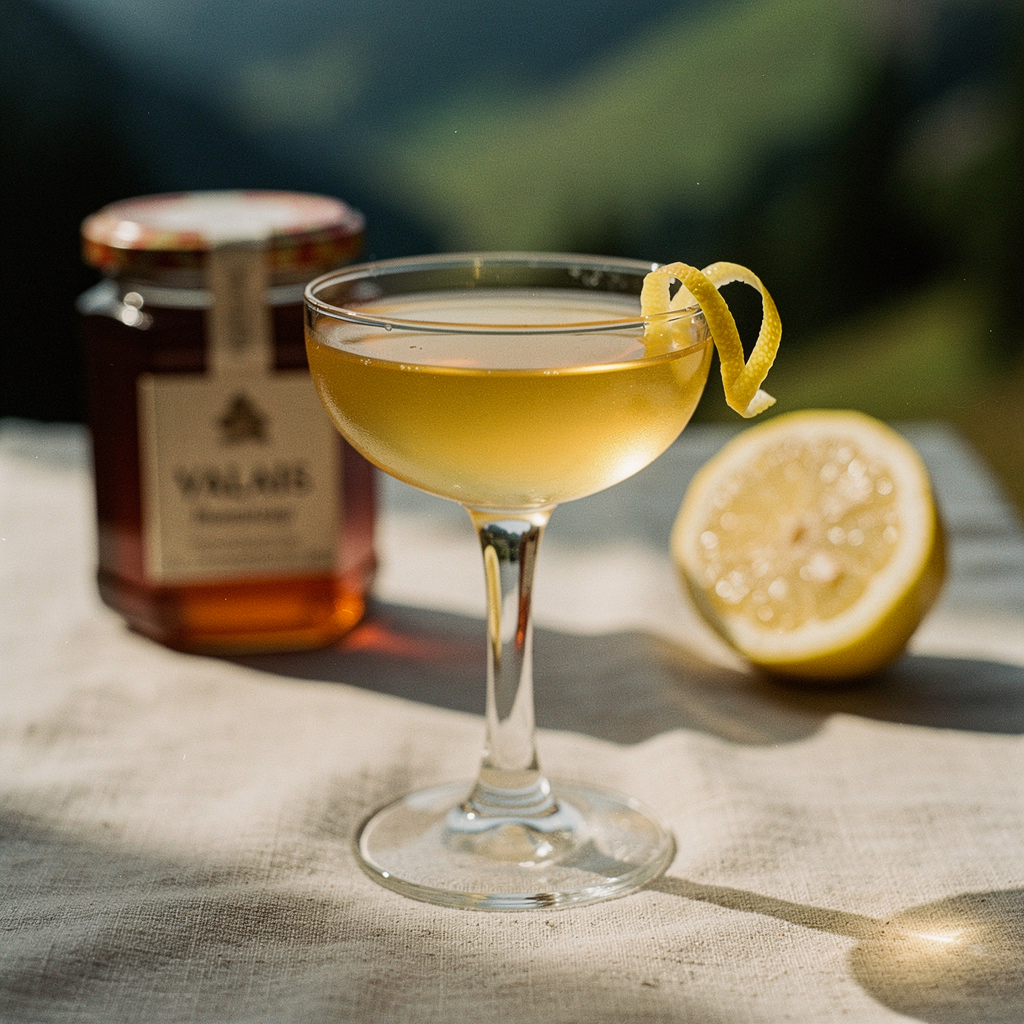
The Bee’s Knees with Solstice Gin — honey, lemon, and the right balance
The Bee’s Knees is a three-ingredient drink from Prohibition. How honey syrup works, why the ratio decides everything, and what Solstice Gin contributes.
Continue reading
More from the Blog
recipes·October 1, 2026
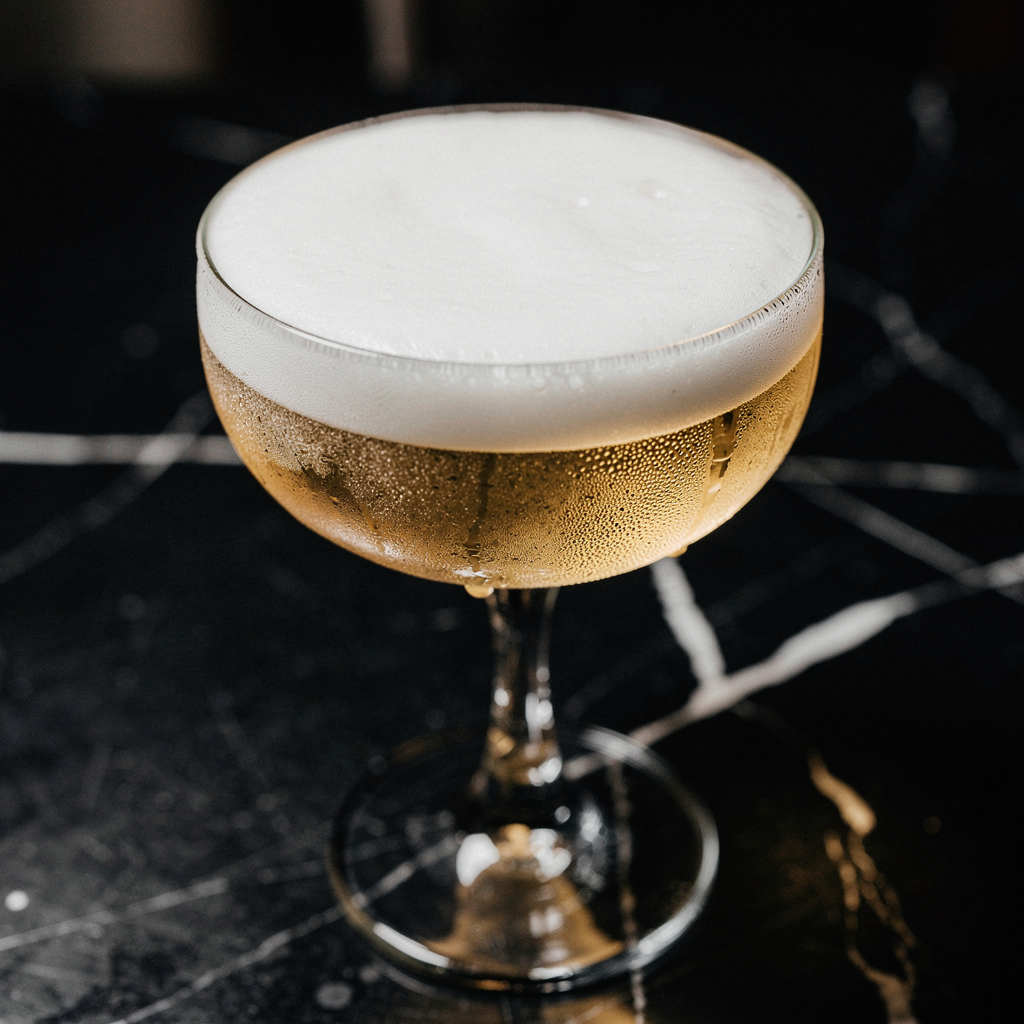
The White Lady with Solstice Gin: A Classic That Demands Precision
The White Lady is one of the oldest gin cocktails — and one of the most demanding. With Cointreau, lemon juice and egg white it forgives no mistakes. With Solstice Gin it becomes an expression of what an alpine gin can do within a classic framework.
5 min readRead
recipes·August 20, 2026
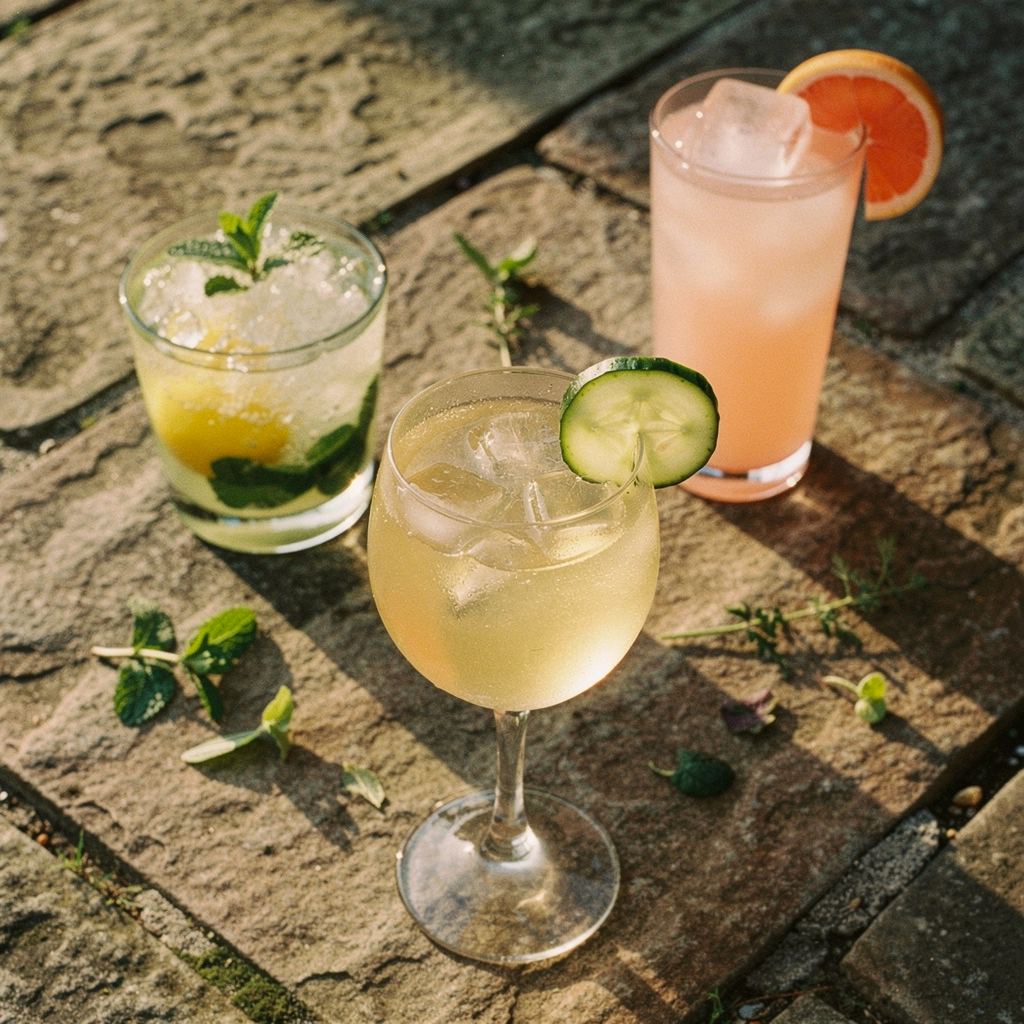
Three Summer Cocktails with Solstice Gin: For Warm Evenings
Solstice Gin was distilled for summer — the solstice, the light, the Rhône valley in full heat. Three cocktails that capture exactly that moment: fresh, direct, with few ingredients.
5 min readRead
recipes·July 9, 2026
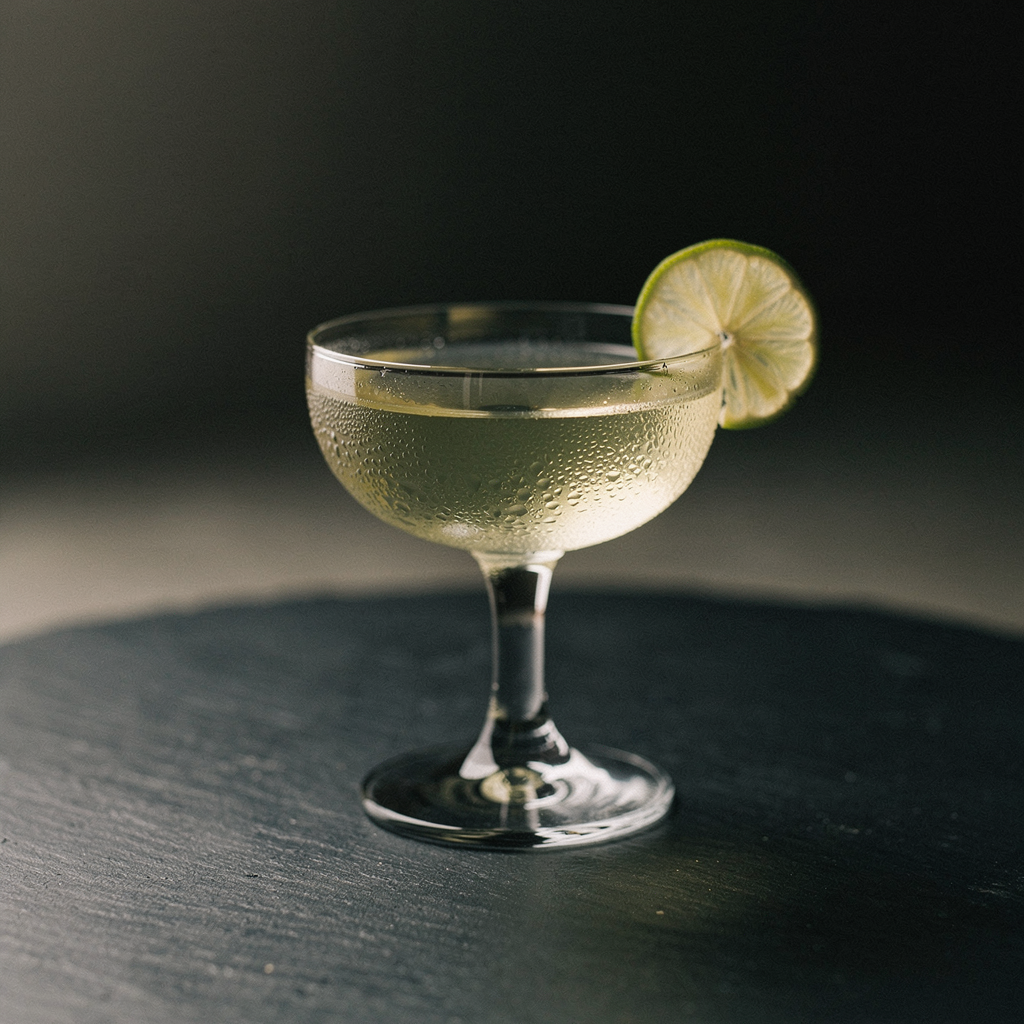
The Gimlet with Solstice Gin: Acidity, Sweetness and Precision
The Gimlet is one of the oldest gin cocktails — and one of the most neglected. With Solstice Gin and fresh lime juice it becomes a precise, three-part experience that needs neither garnish nor distraction.
5 min readRead