The Clover Club predates the Martini in its modern form. It was born in Philadelphia around 1900, nearly forgotten through Prohibition and the rise of vodka, and has been making a slow return since the early 2000s. Its problem was never the formula but the egg white — which many bartenders handled badly.
The base recipe: 5 cl gin, 2 cl lemon juice, 1.5 cl raspberry syrup (or muddled fresh raspberries), 1 egg white. Dry shake without ice, then shake with ice, double strain.
The dry shake matters. Without ice you shake the egg white with the alcohol — the protein denatures slightly and forms a more stable emulsion. The ice comes second, and the second shake chills the drink without destroying the foam structure. Skip this step and you get flat foam and a watery result.
Why Solstice Gin? Because the gentian in Solstice Gin contributes bitterness that keeps the raspberry syrup in check. A too-sweet gin makes the Clover Club flat. A too-heavy gin (lots of juniper, lots of coriander) fights the fruit. Solstice Gin is aromatically precise enough to hold its own alongside raspberry and lemon.
For the raspberry syrup: slowly bring 100 g fresh raspberries, 100 g sugar, and 100 ml water to a boil, strain, and cool. Commercial syrups are usually too sweet and not fruity enough.
Egg-free version: aquafaba (chickpea water) in the same quantity gives comparable foam without the egg flavour. The texture is slightly lighter, the appearance almost identical.
Traditionally garnished with three fresh raspberries on a pick. No lemon twist, no herbs — the Clover Club needs no accessories.
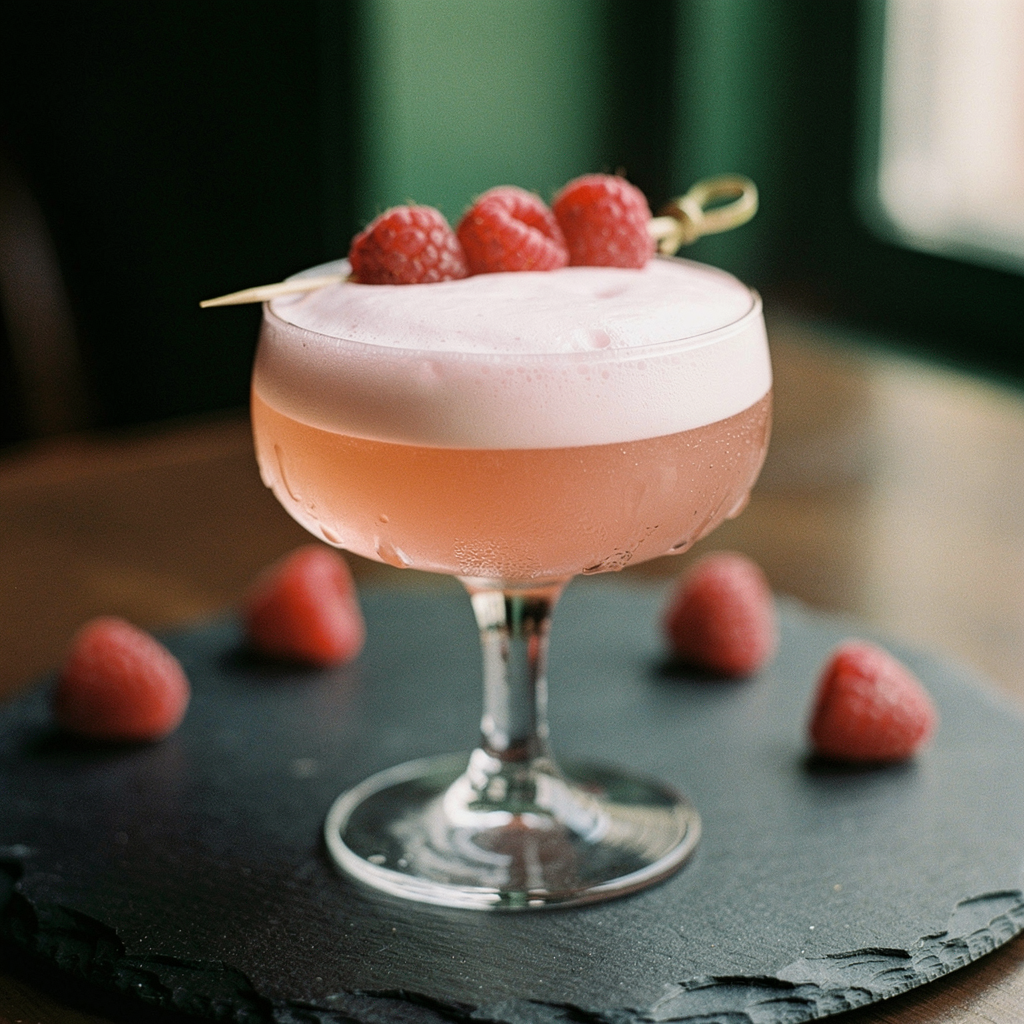
The Clover Club with Solstice Gin — a cocktail that deserves better than its reputation
Raspberry, egg white, lemon, and gin. The Clover Club was underrated for decades. Why Solstice Gin makes it better than expected.
Continue reading
More from the Blog
recipes·October 1, 2026
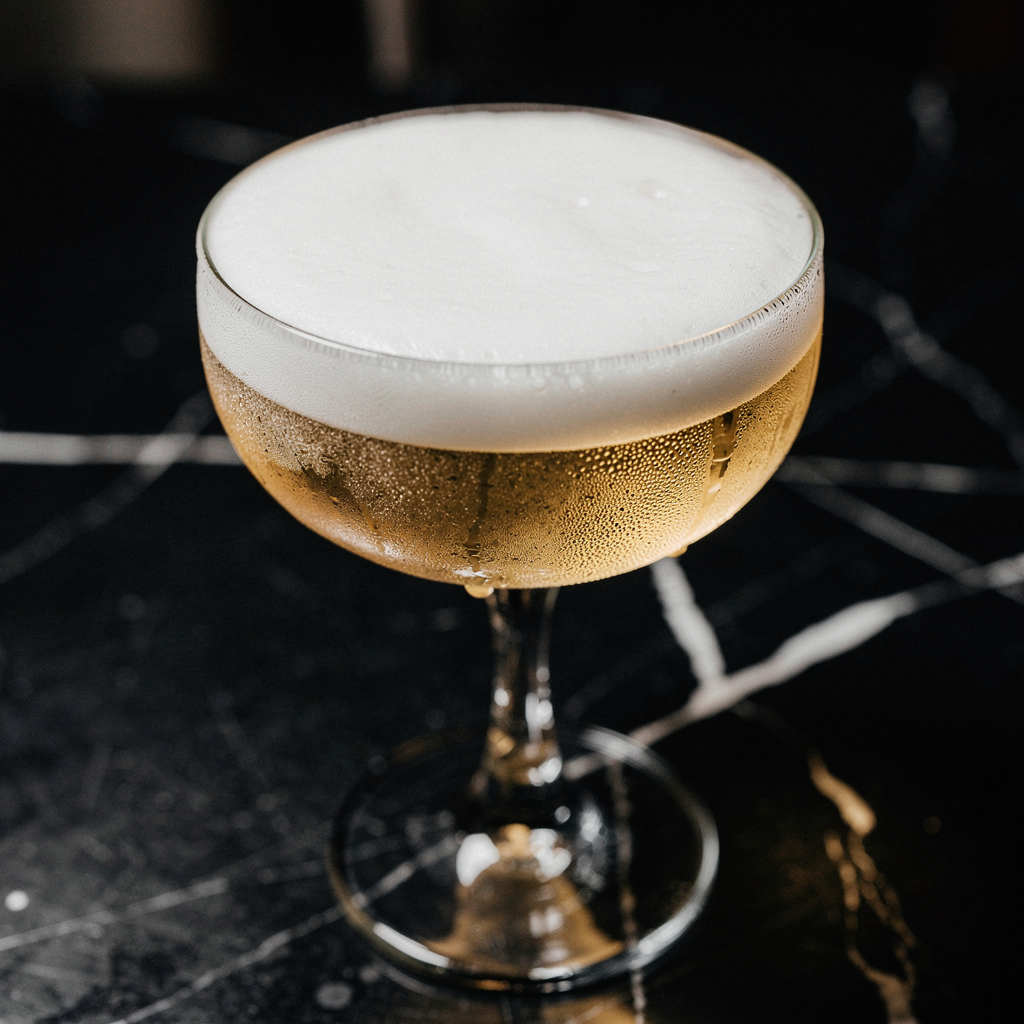
The White Lady with Solstice Gin: A Classic That Demands Precision
The White Lady is one of the oldest gin cocktails — and one of the most demanding. With Cointreau, lemon juice and egg white it forgives no mistakes. With Solstice Gin it becomes an expression of what an alpine gin can do within a classic framework.
5 min readRead
recipes·August 20, 2026
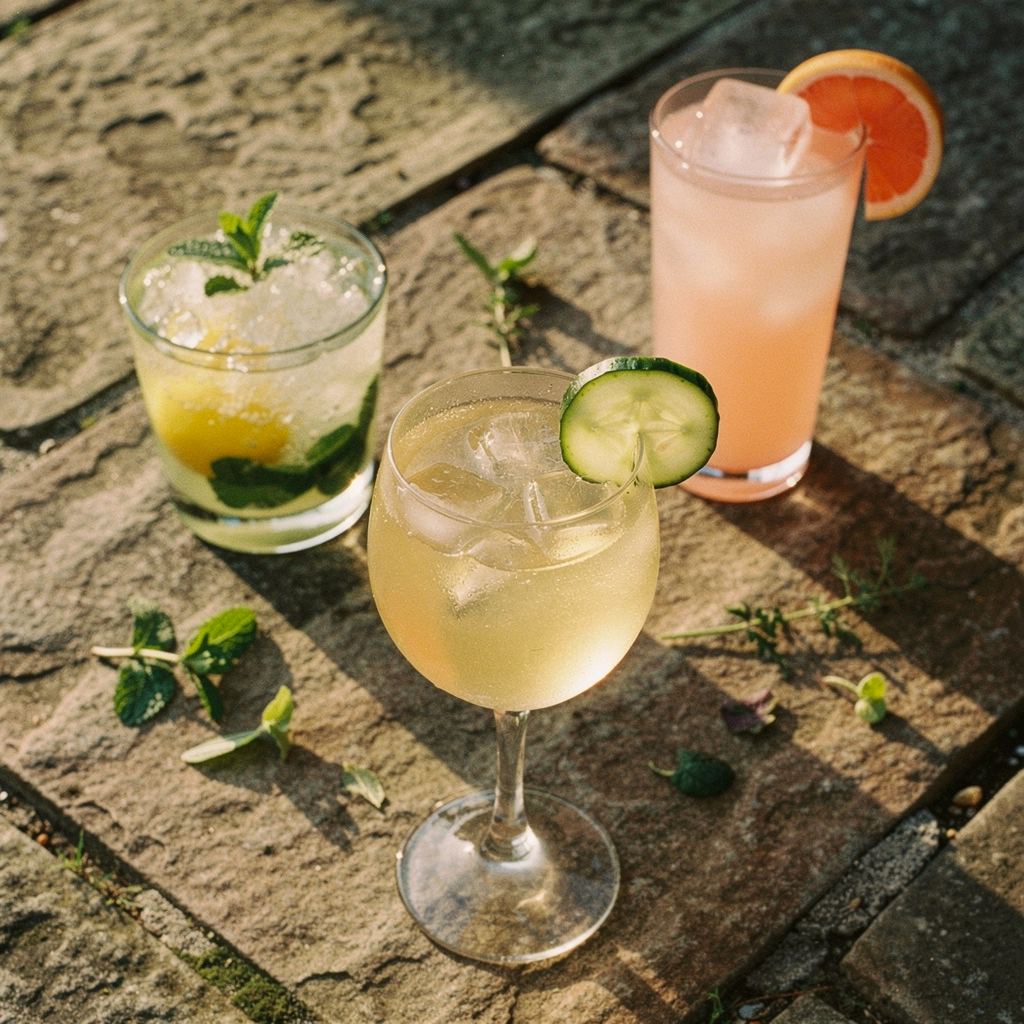
Three Summer Cocktails with Solstice Gin: For Warm Evenings
Solstice Gin was distilled for summer — the solstice, the light, the Rhône valley in full heat. Three cocktails that capture exactly that moment: fresh, direct, with few ingredients.
5 min readRead
recipes·July 9, 2026
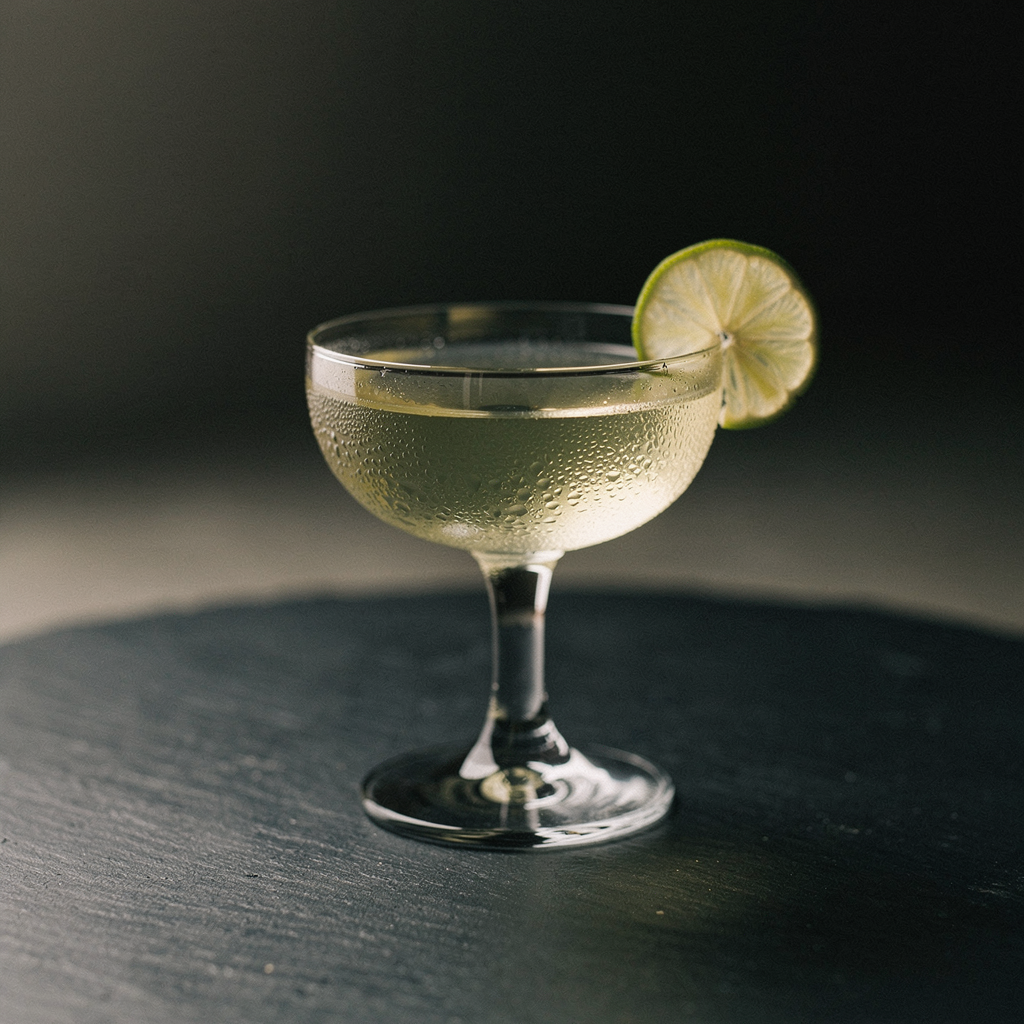
The Gimlet with Solstice Gin: Acidity, Sweetness and Precision
The Gimlet is one of the oldest gin cocktails — and one of the most neglected. With Solstice Gin and fresh lime juice it becomes a precise, three-part experience that needs neither garnish nor distraction.
5 min readRead