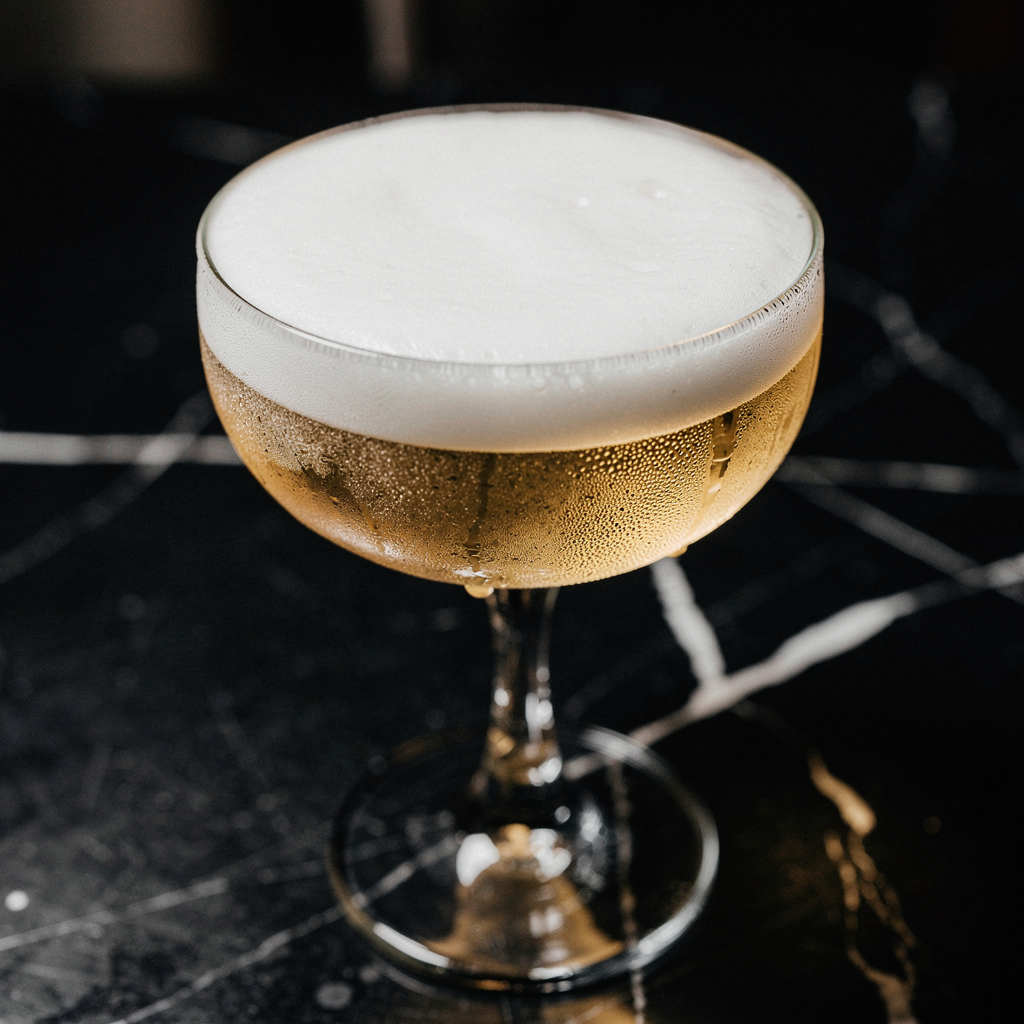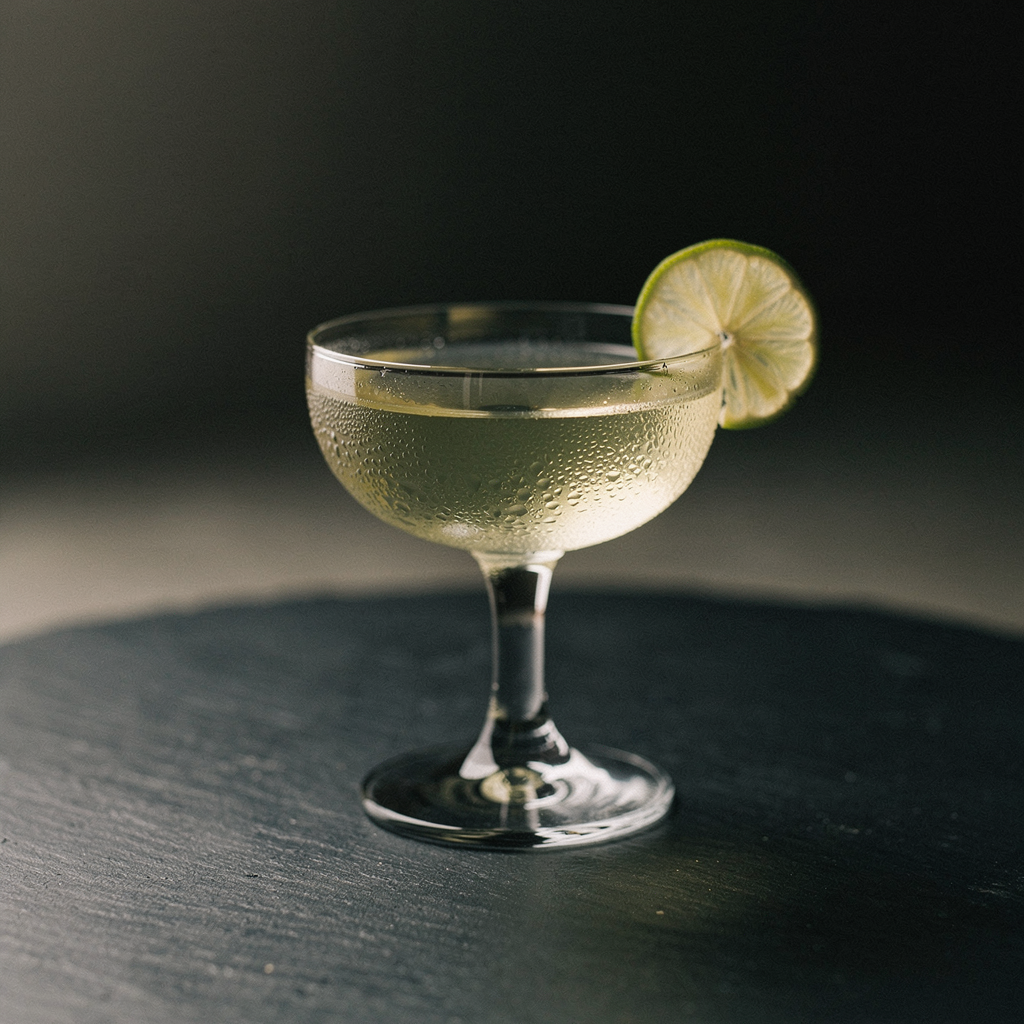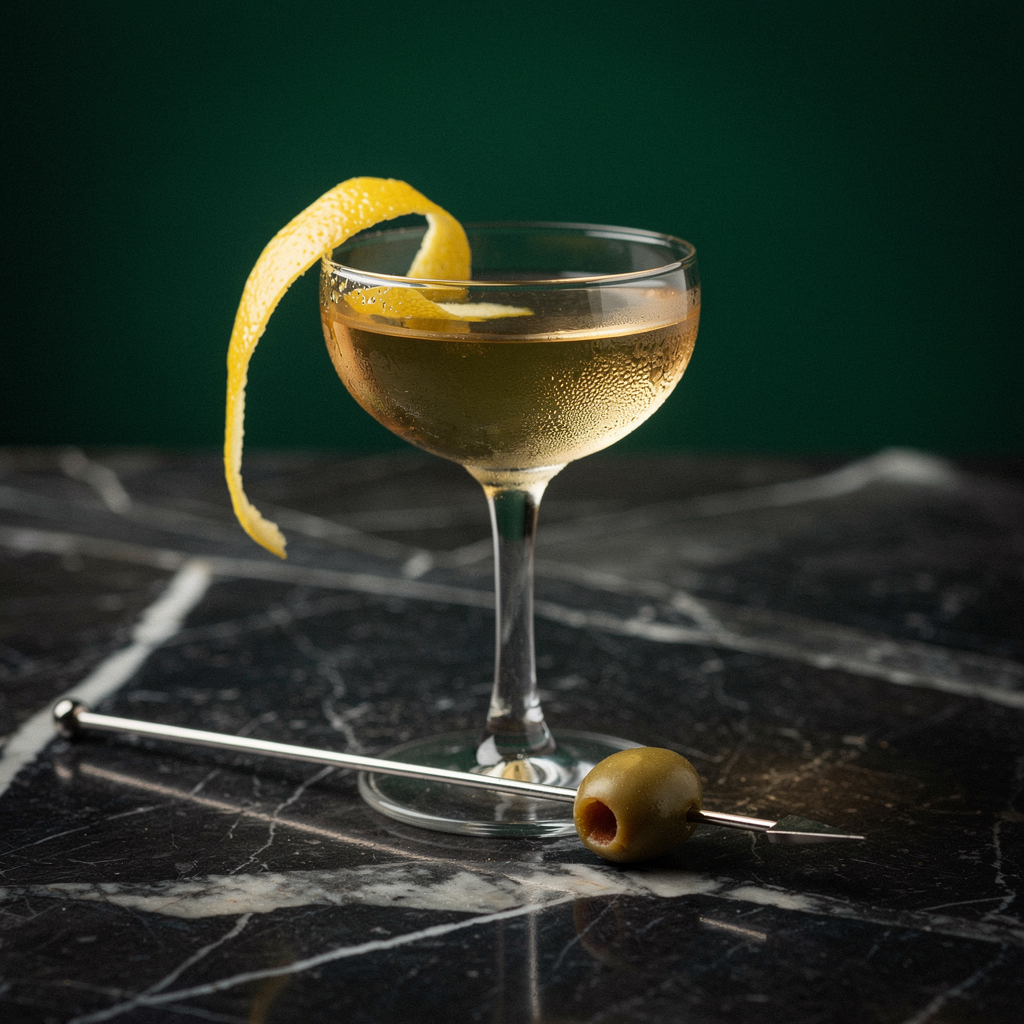
The Dry Martini is the most demanding test for any gin. Not because it is complicated — the recipe has two ingredients. But because it shows everything. Every weakness in the distillate, every excess in the botanicals, every absence of texture — the Martini makes them visible.
It is also why great gins grow in a Martini rather than shrink.
What Makes a Good Martini Gin
Three qualities are decisive. First: texture. A watery, light gin feels flat in a Martini. Using a gin with a slightly creamy texture makes the difference immediately perceptible. The drink has body. It is not just cold and alcoholic; it has something to say.
Second: a long, nuanced finish. The Martini is drunk slowly. You sit with it, think, take another sip. The gin must sustain that — it must still be present after swallowing, must develop, must surprise.
Third: no botanical that dominates aggressively. Too much citrus, too much pepper, too much sweetness — everything becomes overexposed in a Martini. The alpine, herbal profile of Solstice Gin is made for this: interesting without being intrusive.
The Recipe
The gin-to-vermouth ratio can be debated endlessly. Winston Churchill reportedly made a Martini by glancing at the vermouth bottle. We are more pragmatic:
- 60 ml Solstice Gin
- 10 ml dry white vermouth (Noilly Prat or similar — freshly opened bottle, stored in the fridge)
Add both to a mixing glass with plenty of large ice. Stir 45 to 60 seconds — longer than for a Negroni, because the Martini needs to be colder and more diluted. Strain into a pre-chilled Martini glass or coupe. No ice in the glass.
The Garnish: Lemon Zest or Olive
Two schools, one truth: it depends on the gin.
Lemon zest suits Solstice Gin. The essential oil from the peel brings a citrus freshness that lifts the elderflower note in the gin without masking the gentian bitterness. The zest is expressed over the glass and rested on the rim — not dropped in, to avoid disturbing the balance.
Olive: possible, but not optimal for Solstice Gin. The salinity of the olive meets the alpine bitterness and loses both directions. Those who want a saline note can try a splash of brine — the dirty Martini. That is a different drink, but a good one.
Temperature Is Everything
A Martini that is not cold enough is not a Martini. It is warm gin with vermouth. The mixing glass should be pre-chilled with ice before stirring. The serving glass should wait in the freezer. The stirring should be long enough that the outside of the mixing glass fogs over.
If the glass shows no condensation within 30 seconds of serving, it was not cold enough. Cold is not a comfort measure — it is the condition under which this drink functions.
When and Why
The Martini is an aperitif, not a digestif. It opens the evening, sharpens the appetite, creates a transition between the day and what is to come. After a long walk in Valais, before a fondue — that is its moment. Not as a party drink. As a beginning.