## The Botanical Nobody Names First
Ask someone what defines Rarner Gin and they will probably say the apricot. Maybe the larch wood. The ginger. Perhaps even the chilli.
Almost nobody names the blueberry.
That is not a coincidence — and not a mistake. The blueberry is designed so that you cannot name it. You are meant to feel it without knowing why. It is the binding agent.
## What the Valais Blueberry Brings
The blueberries in Rarner Gin come from Valais. Wild blueberries (*Vaccinium myrtillus*) from the mountain pastures above the Rhône valley — smaller, darker and aromatically more concentrated than the cultivated blueberry found in supermarkets.
The difference is not trivial. Cultivated blueberries contain more water and less pigment. Wild blueberries are deep violet through to the flesh, intensely fragrant of forest berry, with a natural tannin structure that survives distillation.
Aromatically, the blueberry brings three things:
- **Deep, dark berry fruit** — not a bright raspberry or strawberry character, but something darker, earthier.
- **Light acidity** — enough to balance the apricot sweetness without dominating.
- **Tannin structure** — the body that gives the gin its backbone and holds it longer through the finish.
## The Interplay With Apricot and Larch
Apricot is sweet and summery. Larch wood is resinous and alpine. Without a mediator between these two poles, the profile of Rarner Gin would tear — sweetness on one side, resin on the other.
The blueberry is that mediator. It carries fruit like the apricot, but darker. It has depth like the wood, but more alive. It is the moment when three ingredients become a story.
## Why Wild, Not Cultivated
That is a decision that means effort. Wild blueberries cannot be ordered like standard ingredients. The harvest is short — usually July to August, above 1,000 metres. Quantity and quality vary with every year.
We accept that variability. A Rarner Gin from a good blueberry year tastes different from one from a dry summer. That is not a flaw. It is honesty.
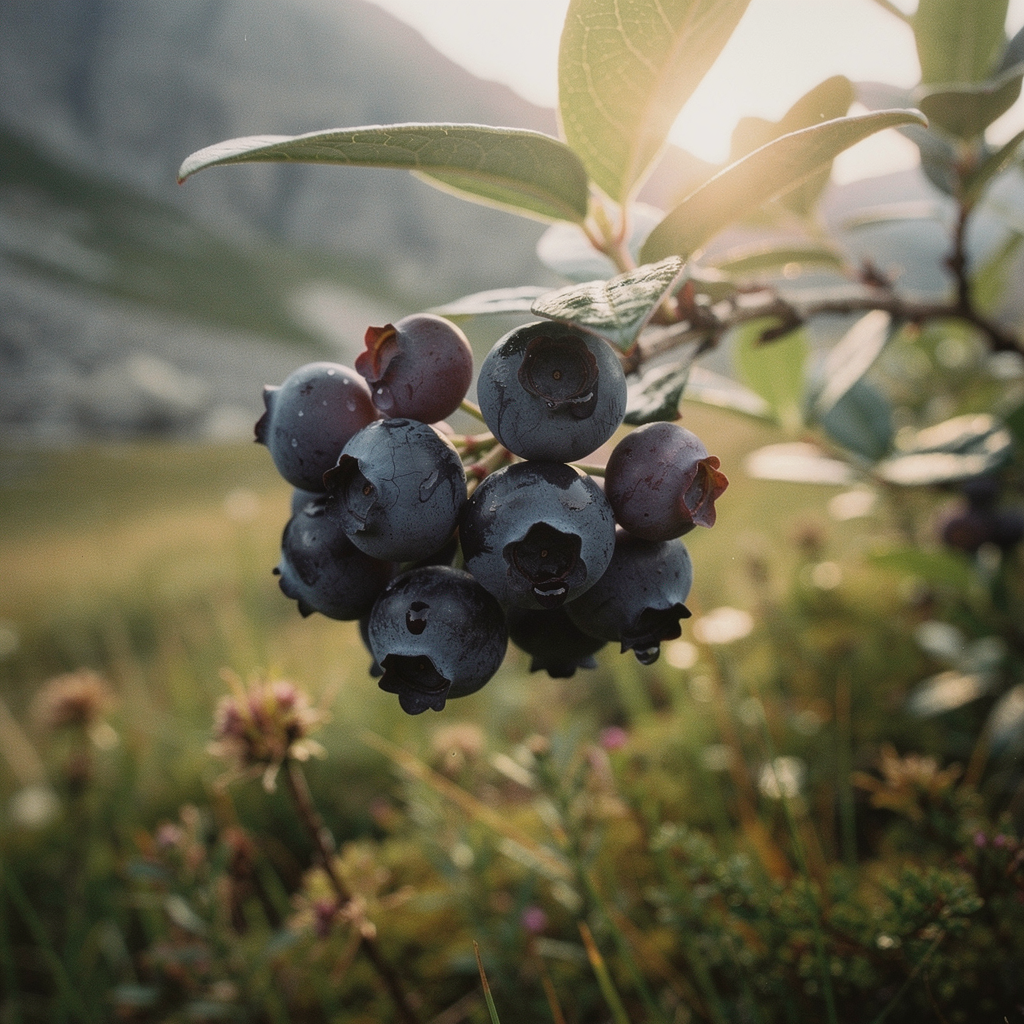
Blueberry in Rarner Gin: An Underestimated Botanical
The blueberry is the quietest botanical in Rarner Gin — and perhaps the most important. It bridges the fruity apricot and the earthy larch wood into a profile that would fall apart without it.
Continue reading
More from the Blog
ingredients·September 3, 2026
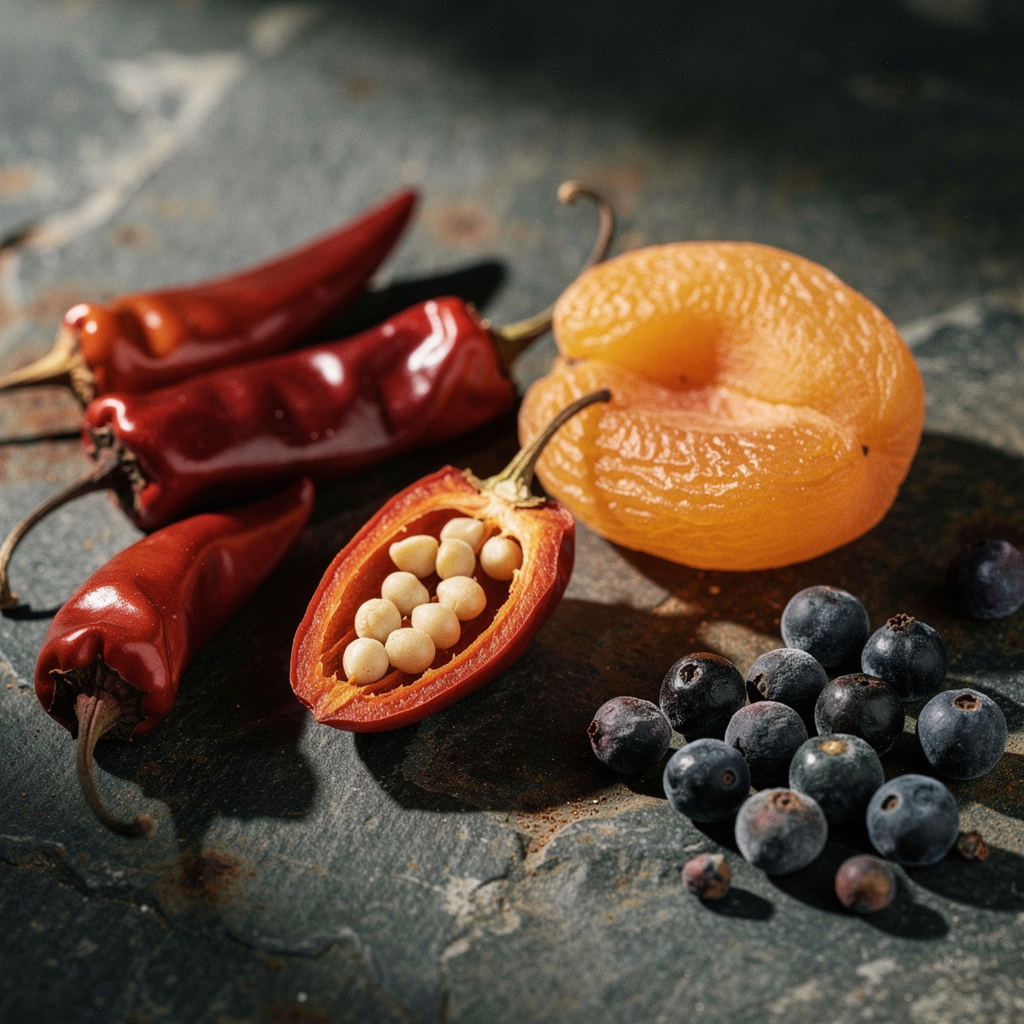
Chilli in Rarner Gin: Why Heat Is Not a Gimmick
Chilli in gin sounds like marketing. In Rarner Gin it is an aromatic decision — it extends the finish, contrasts the apricot sweetness, and gives the gin a tension that would be absent without it.
5 min readRead
ingredients·June 11, 2026
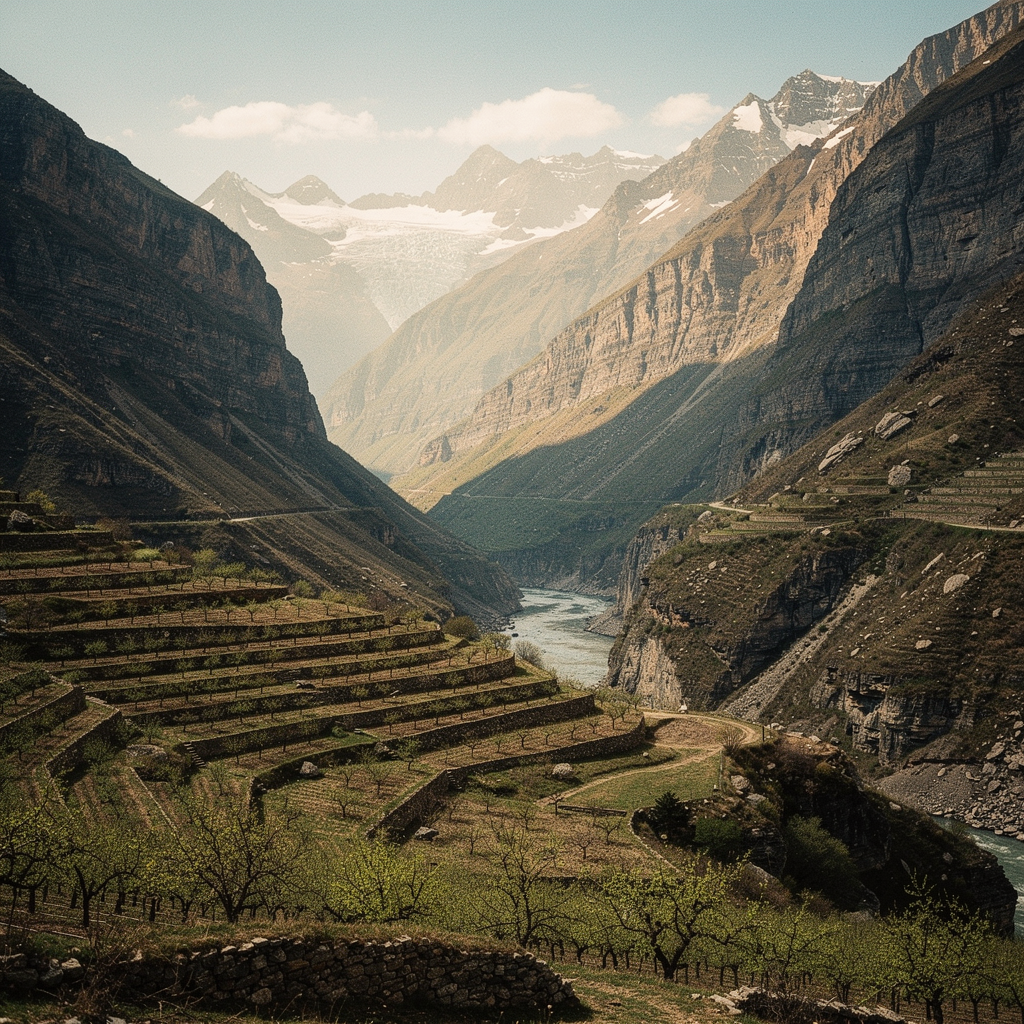
The Rhône Valley as Terroir: How Geography Shapes Flavour
Terroir is a wine term. But what it describes — the influence of soil, climate and location on a product — applies equally to gin. Why the Rhône valley is not an arbitrary location for a distillery.
5 min readRead
ingredients·March 19, 2026
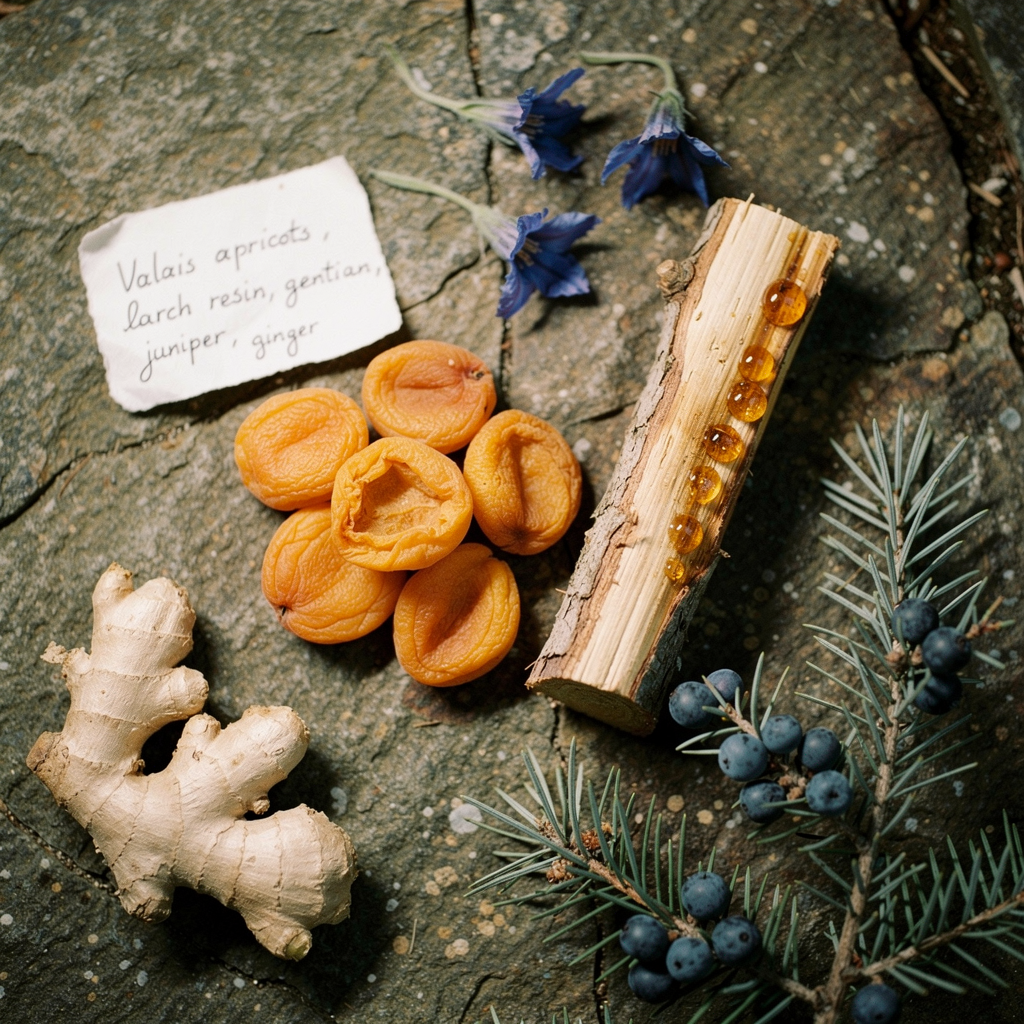
Where Our Botanicals Come From: Sourcing in Valais and Beyond
Not every botanical grows in Valais. But every one we use was chosen deliberately — with one clear criterion: it must mean something to the place, not just the recipe.
5 min readRead