## A Wine Term That Reaches Further
Terroir comes from French and literally means "soil" or "earth." In winemaking it describes the totality of natural conditions — geology, climate, topography, micro-organisms — that make a product unmistakeable. Why does a Pinot Noir from Burgundy grow differently from one in Valais? Because the soil is different. The light. The night. The water.
For gin, this term has not yet established itself. Gin is seen as a recipe product — the distiller determines what goes into the glass. That's true. But it conceals what the place contributes.
## What Makes the Rhône Valley Distinctive
Valais is one of the sunniest valleys in Switzerland — around 300 days of sunshine per year. The Rhône valley runs east to west, wedged between the Valais Alps to the south and the Bernese Alps to the north. This orientation creates a microclimate: dry, warm summers; cold, clear winters; strong temperature swings between day and night.
For plants, that is extreme stress — and extreme stress produces concentrated aromas. The apricots ripen more intensely than at lower altitudes. The gentian forms more bitter compounds. The juniper condenses its essential oils more tightly.
And then there is the Föhn. This warm, dry Alpine downwind brings particular ripening conditions and shapes the aromas of certain botanicals in ways that are not reproducible elsewhere.
## The Ground Beneath Raron
Raron sits on a rock formation of gneiss and schist — ancient crystalline bedrock that has been here for millions of years. This soil gives little water, forces plant roots deep, and limits growth. What grows slowly grows more aromatically.
The water we use for distillation and reduction is glacial water filtered through these rock layers. It is rich in minerals that give the gin a particular texture — not measurable in a laboratory protocol, but perceptible in the glass.
## What This Means for Solstice Gin
Solstice Gin could theoretically be produced anywhere. The botanicals could be imported, the water replaced, the equipment transferred.
But it would be a different gin. The Rhône valley is not a romantic backdrop. It is a production condition.
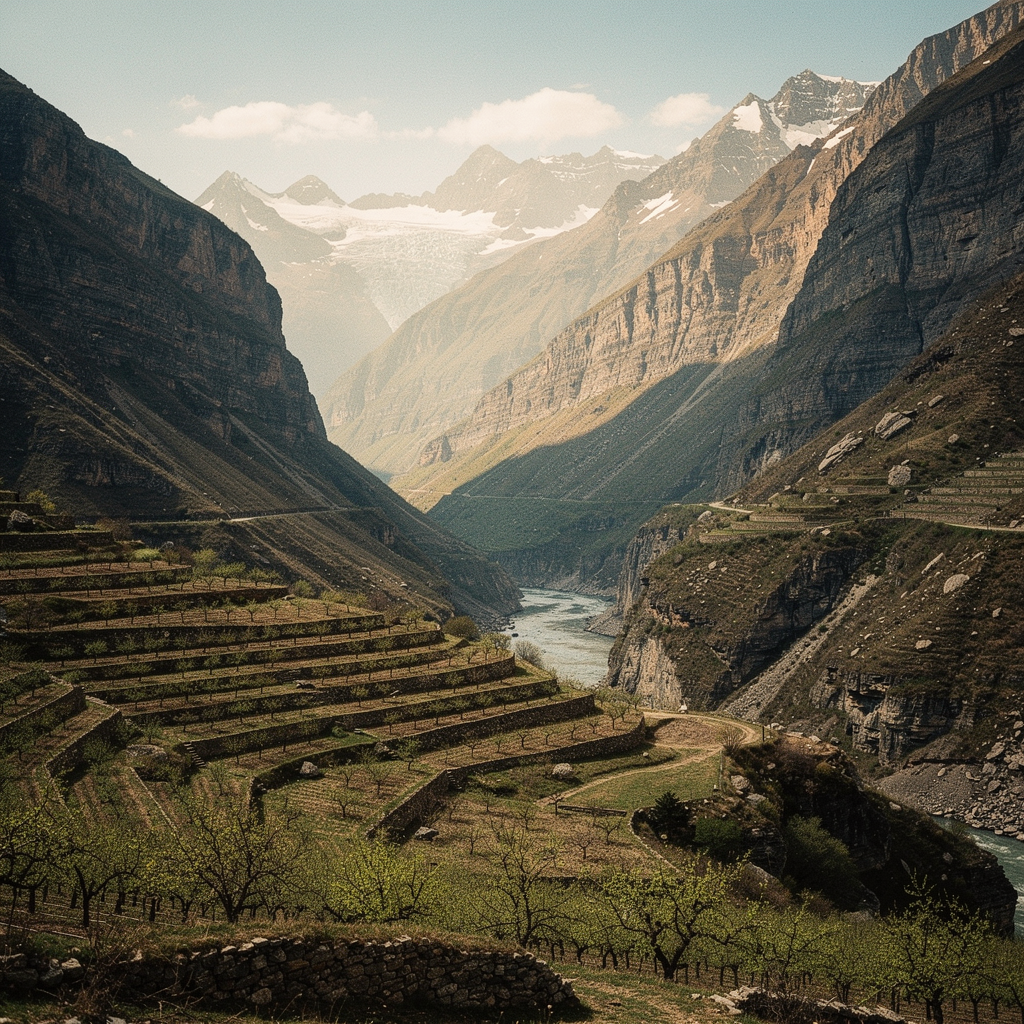
The Rhône Valley as Terroir: How Geography Shapes Flavour
Terroir is a wine term. But what it describes — the influence of soil, climate and location on a product — applies equally to gin. Why the Rhône valley is not an arbitrary location for a distillery.
Continue reading
More from the Blog
ingredients·September 3, 2026
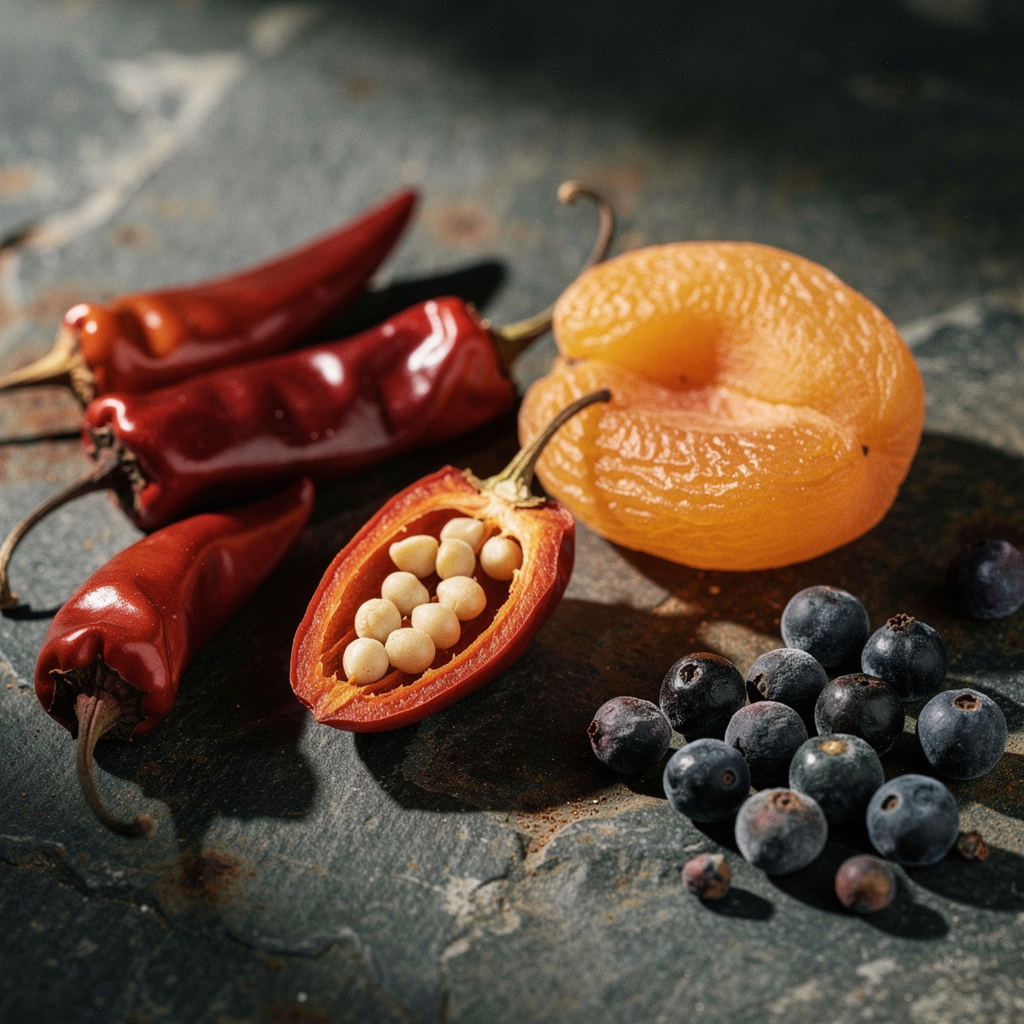
Chilli in Rarner Gin: Why Heat Is Not a Gimmick
Chilli in gin sounds like marketing. In Rarner Gin it is an aromatic decision — it extends the finish, contrasts the apricot sweetness, and gives the gin a tension that would be absent without it.
5 min readRead
ingredients·August 6, 2026
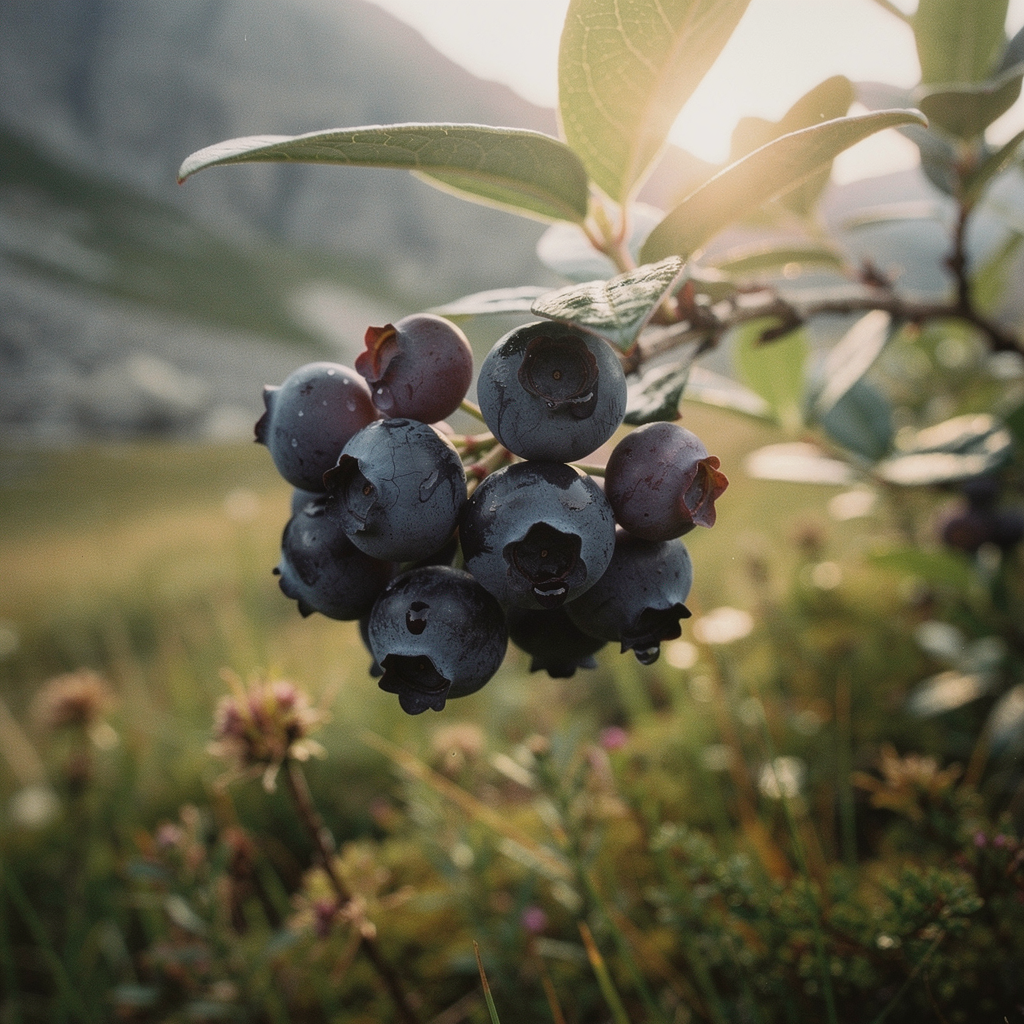
Blueberry in Rarner Gin: An Underestimated Botanical
The blueberry is the quietest botanical in Rarner Gin — and perhaps the most important. It bridges the fruity apricot and the earthy larch wood into a profile that would fall apart without it.
5 min readRead
ingredients·March 19, 2026
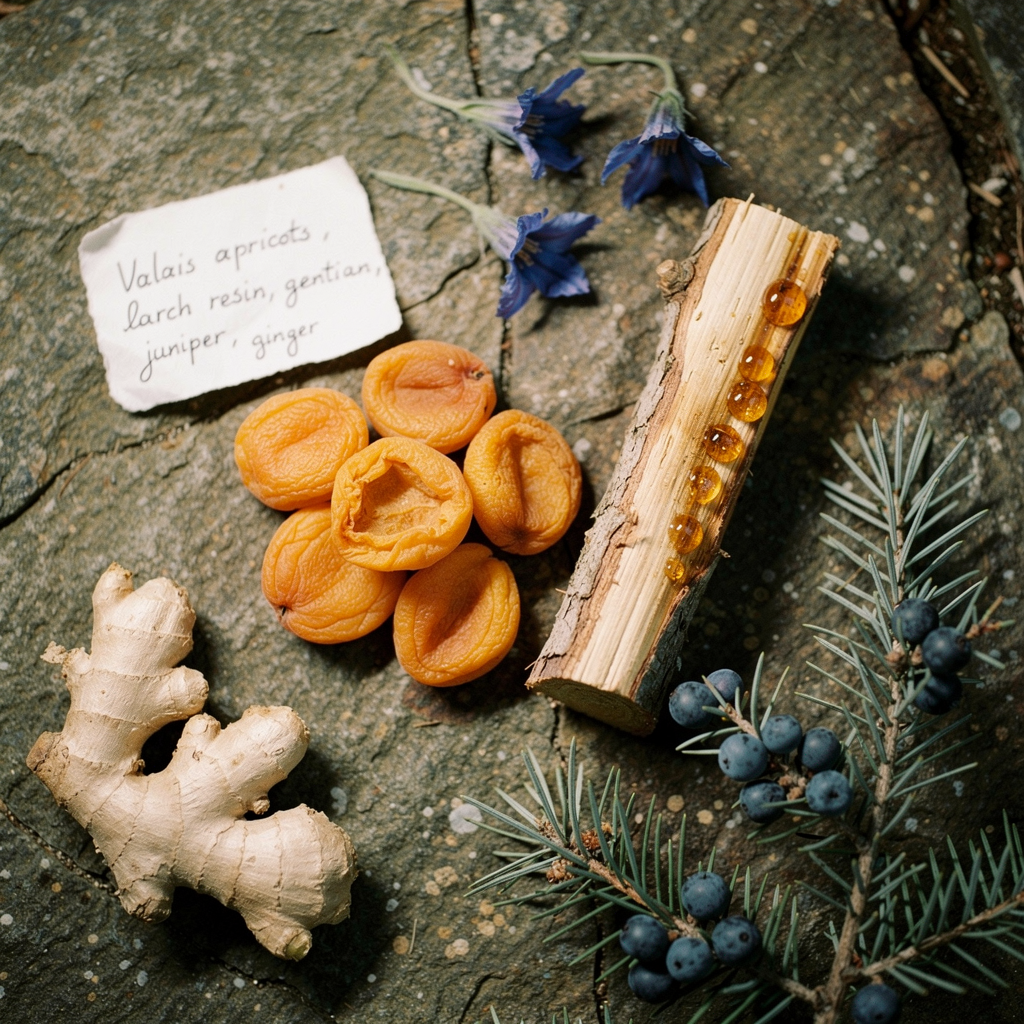
Where Our Botanicals Come From: Sourcing in Valais and Beyond
Not every botanical grows in Valais. But every one we use was chosen deliberately — with one clear criterion: it must mean something to the place, not just the recipe.
5 min readRead