## Gin Doesn't Spoil — But It Changes
Unlike wine, gin has no expiry date in the classical sense. Distillates at 40 % ABV and above are microbiologically stable — bacteria and mould have no chance. But "not spoiled" is not the same as "unchanged."
Three physical factors influence what happens in your bottle after it leaves the distillery.
## 1. Light — The Fastest Enemy
UV light breaks chemical bonds. The essential oils of botanicals — especially citrus compounds like limonene and terpenes — react sensitively to direct sunlight. A bottle of Solstice Gin left on a sun-exposed shelf for three months tastes different from one stored in the dark. The citrus notes flatten, the aromas become duller overall.
**Recommendation:** Dark shelf or cabinet. Even a tinted bottle only protects moderately.
## 2. Heat — The Slowest Enemy
Heat accelerates chemical reactions. At temperatures above 20 °C, esters — the compounds that carry fruit notes — begin to hydrolyse slowly. It's not a dramatic process, but over months it accumulates. A bottle that spends summer next to the stove loses finesse.
More important: temperature fluctuation. A bottle that swings daily between 10 °C and 30 °C degrades faster than one held constantly at 20 °C. Stability protects more than cold.
**Recommendation:** Cool, stable location. Not directly next to a radiator or cooker.
## 3. Air — The Subtlest Enemy
Once a bottle is opened, the contents oxidise. For wines this leads quickly to noticeable changes. For high-strength spirits it takes longer — but it happens.
The critical variable is the ratio of liquid to air. A half-full bottle oxidises faster than a three-quarters-full one. In a bottle that contains more air than gin, the profile begins to flatten after a few weeks.
**Recommendation:** A bottle less than a quarter full should be drunk within four to six weeks — or transferred into a smaller bottle.
## What This Means for Solstice Gin
Solstice Gin carries the essential oils of its botanicals in the distillate. It is precisely these aromas that react to light, heat and air.
The good news: if you buy a fresh bottle, store it dark and cool, and drink it within a year, you will notice none of this. Gin is not a stress object.
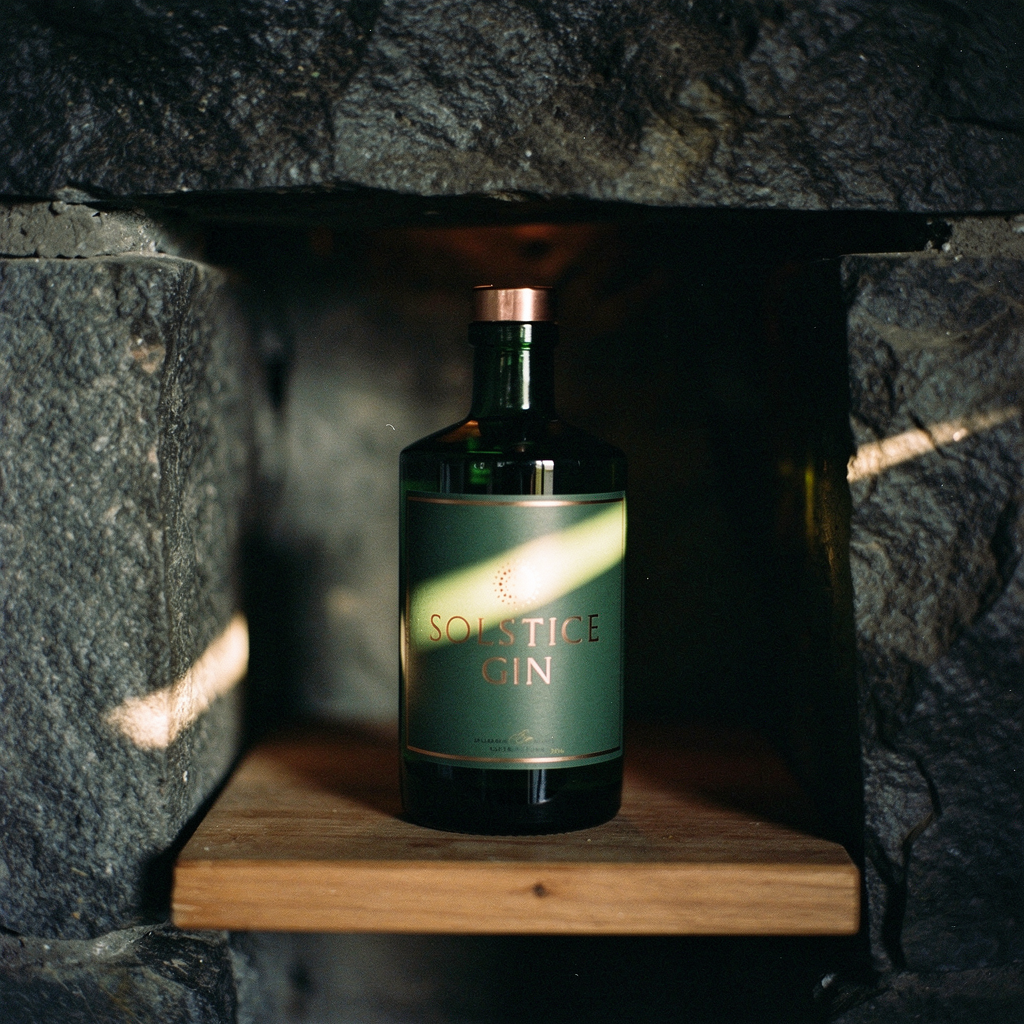
How to Store Gin Correctly: What Light, Heat and Air Do to Your Bottle
Gin is robust — but not invulnerable. Incorrect storage changes the aroma measurably over months. Three factors every gin lover should know.
Continue reading
More from the Blog
distillery·July 23, 2026
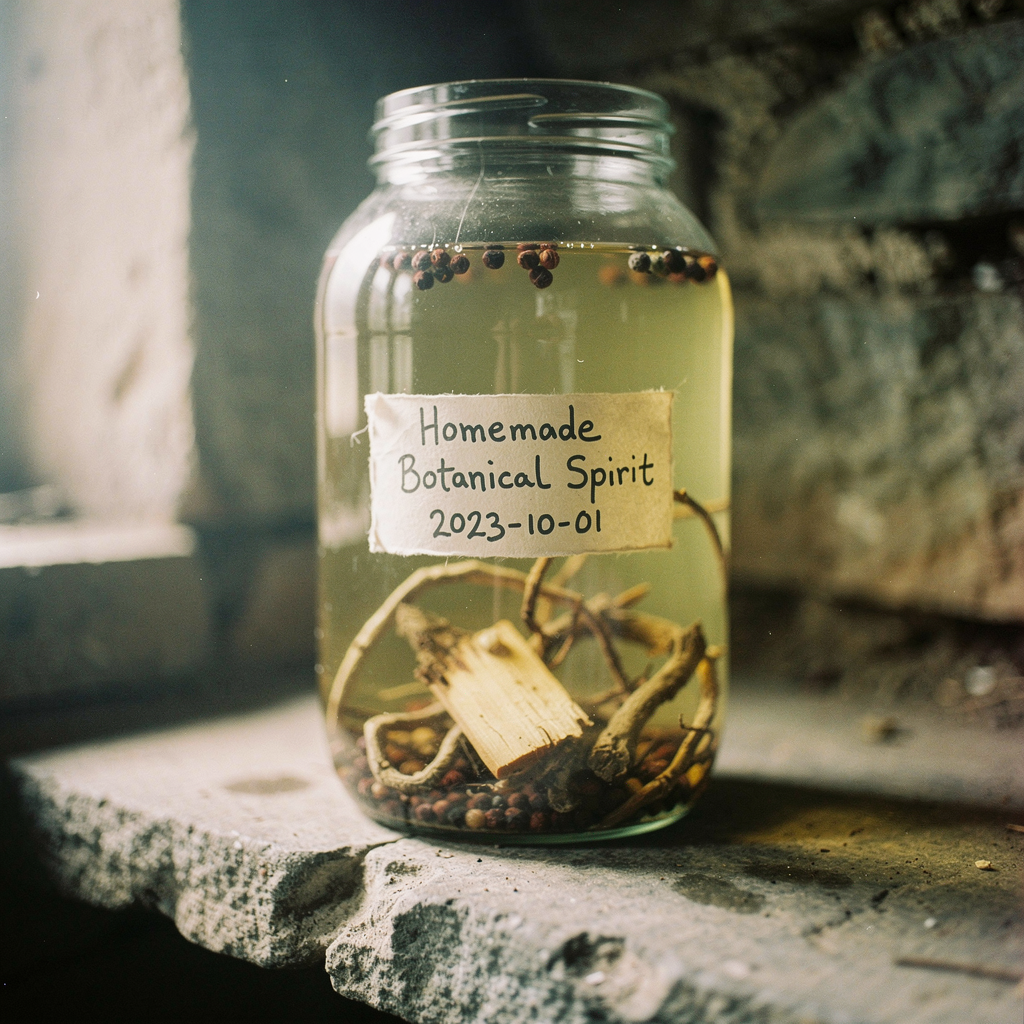
Maceration: How Long Botanicals Steep in Alcohol — and Why It Matters
Before distillation, botanicals macerate in alcohol. How long, at what temperature, in what order — this is not a side detail. It is the quiet phase where the character of a gin is decided.
5 min readRead
distillery·April 30, 2026
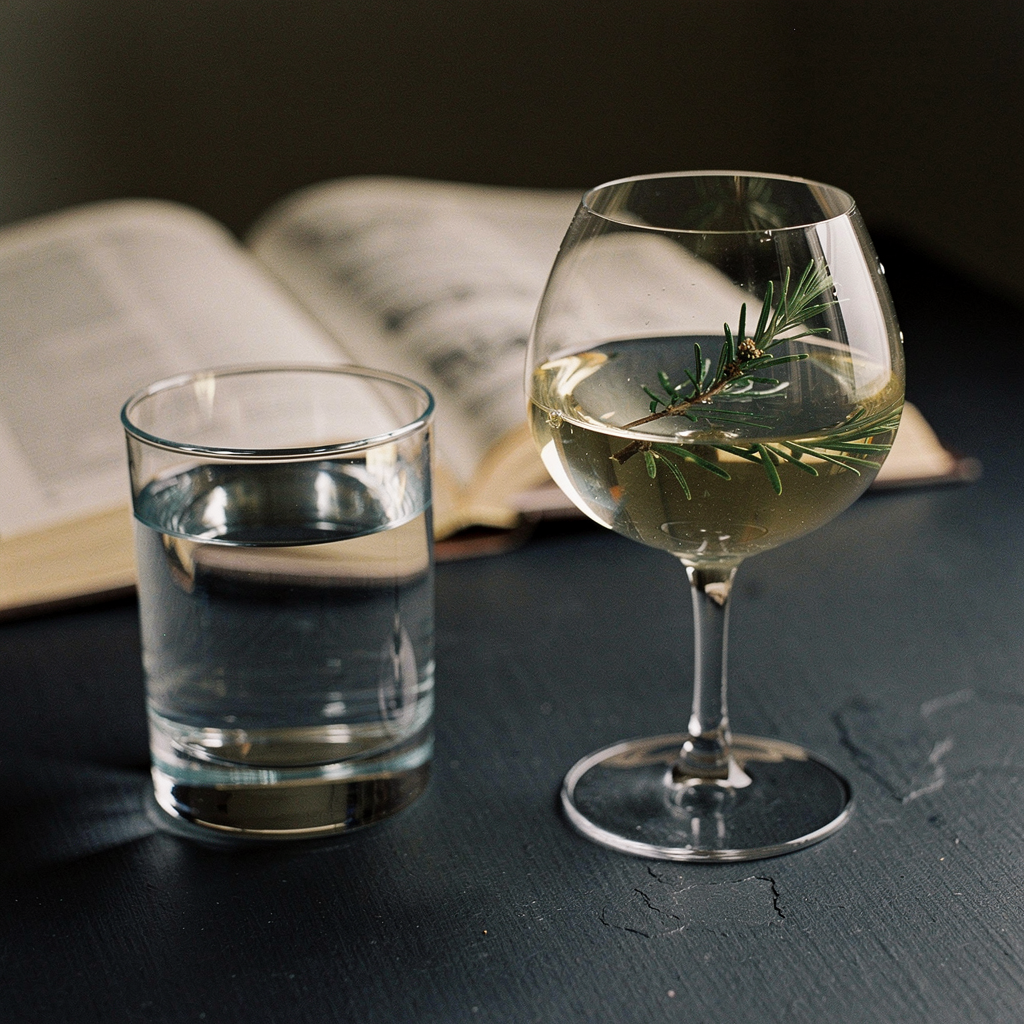
London Dry vs. New Western Gin: Why Categories Matter — and Why They Don’t
London Dry, New Western, Contemporary — the styles say something about a gin. But they don’t explain why it’s good. An honest classification of where Solstice Gin sits.
5 min readRead
distillery·April 16, 2026
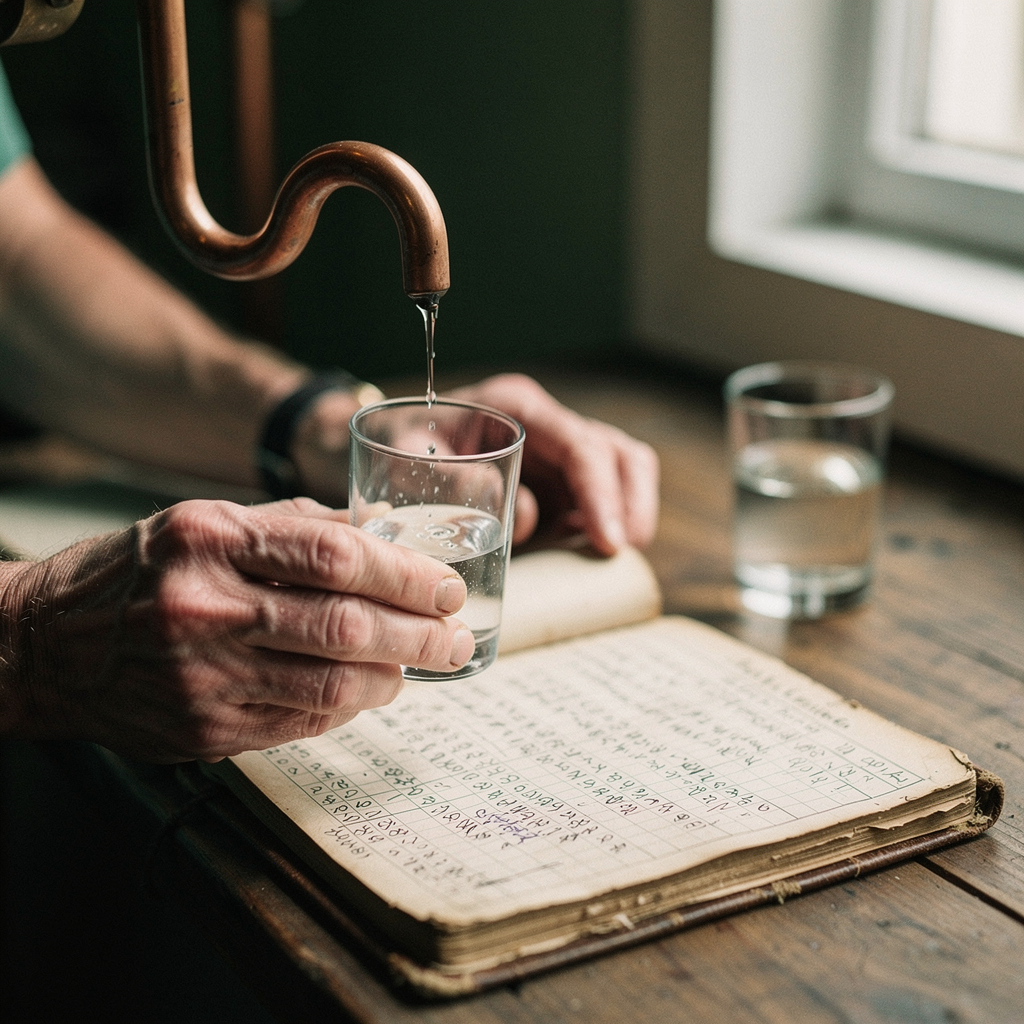
What "Handcrafted" Really Means: Small-Batch Distilling Without the Romance
"Handcrafted" appears on almost every gin bottle. What actually lies behind it — and when is it an honest promise, when an empty formula? A look at everyday life at Salzmann Distillery.
5 min readRead