## What Maceration Means
Before a single drop is distilled, there is a phase that rarely gets talked about: maceration. Botanicals are steeped in high-strength alcohol. The aromas of the botanicals dissolve into the alcohol. When the mixture is then distilled, the distillate carries these extracted compounds with it.
Maceration is not magic. It is chemistry — and like all chemistry, it has variables that shape the outcome.
## The Three Decisive Variables
### Time
Too short: not all aromatic compounds dissolve fully. The distillate is flatter, less complex.
Too long: tannins and bitter phenols come forward. That sounds like more — but it isn't always better. Certain botanicals (juniper berries, citrus peels) also release unwanted bitter compounds during extended maceration.
For Solstice Gin, we macerate most botanicals for between 12 and 24 hours. Gentian and juniper towards the upper end of that range; citrus shorter, to keep the essential oils fresh.
### Temperature
Lower temperature slows extraction but favours lighter, more volatile compounds. This produces more elegant, subtle profiles.
Higher temperature extracts faster and more broadly — including substances you would rather keep in the background.
We macerate at cellar temperature, around 14 °C. That is deliberate: slow, selective, controlled.
### Order
Not all botanicals go in at the same time. Delicate botanicals like elderflower or lavender enter the maceration later than robust ones like juniper or gentian root. This prevents the fine notes from being overwhelmed by the powerful ones.
## Why This Is Different for Rarner Gin
Rarner Gin contains larch wood — a botanical that yields no juice the way a juniper berry does, but resins and terpenes. Wood macerates more slowly. A piece of larch needs significantly longer than berries or herbs before its aromas noticeably pass into the alcohol.
For Rarner Gin, we therefore deliberately extend the maceration time for the larch wood. The result: a discreet resin in the background that runs from the first sip through to the long finish.
## What to Take Away
The bottle you buy reflects decisions made 24 hours before distillation — quietly, invisibly, without drama. Maceration is the most silent phase of production. It is also one of the most important.
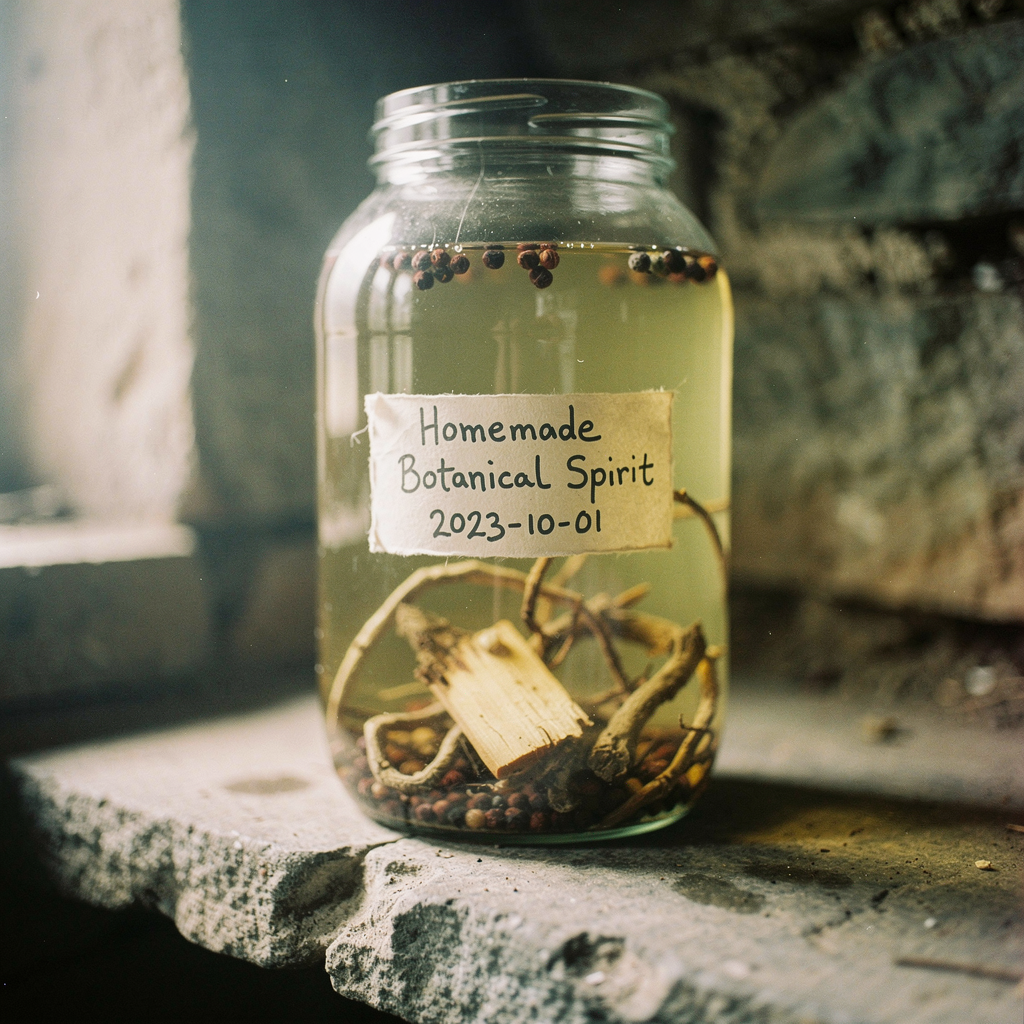
Maceration: How Long Botanicals Steep in Alcohol — and Why It Matters
Before distillation, botanicals macerate in alcohol. How long, at what temperature, in what order — this is not a side detail. It is the quiet phase where the character of a gin is decided.
Continue reading
More from the Blog
distillery·May 14, 2026
How to Store Gin Correctly: What Light, Heat and Air Do to Your Bottle
Gin is robust — but not invulnerable. Incorrect storage changes the aroma measurably over months. Three factors every gin lover should know.
5 min readRead
distillery·April 30, 2026
London Dry vs. New Western Gin: Why Categories Matter — and Why They Don’t
London Dry, New Western, Contemporary — the styles say something about a gin. But they don’t explain why it’s good. An honest classification of where Solstice Gin sits.
5 min readRead
distillery·April 16, 2026
What "Handcrafted" Really Means: Small-Batch Distilling Without the Romance
"Handcrafted" appears on almost every gin bottle. What actually lies behind it — and when is it an honest promise, when an empty formula? A look at everyday life at Salzmann Distillery.
5 min readRead