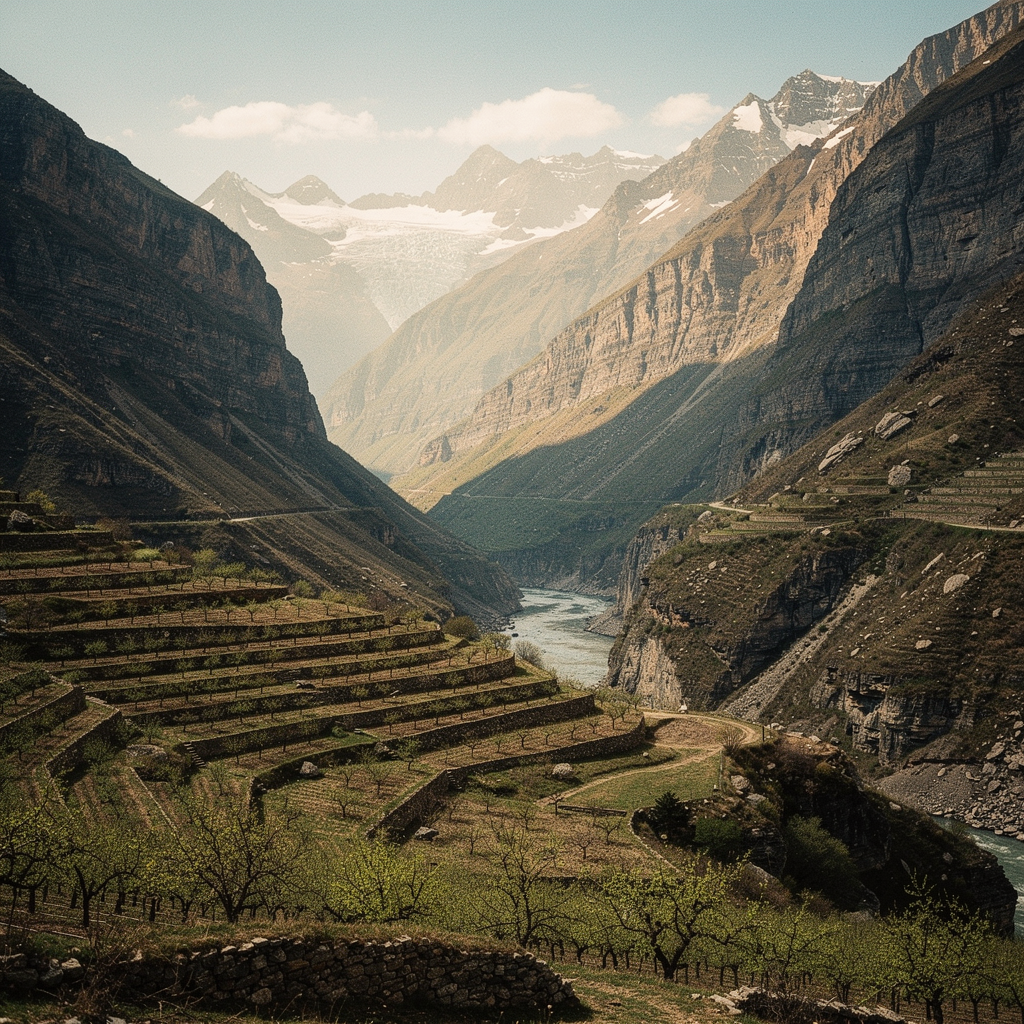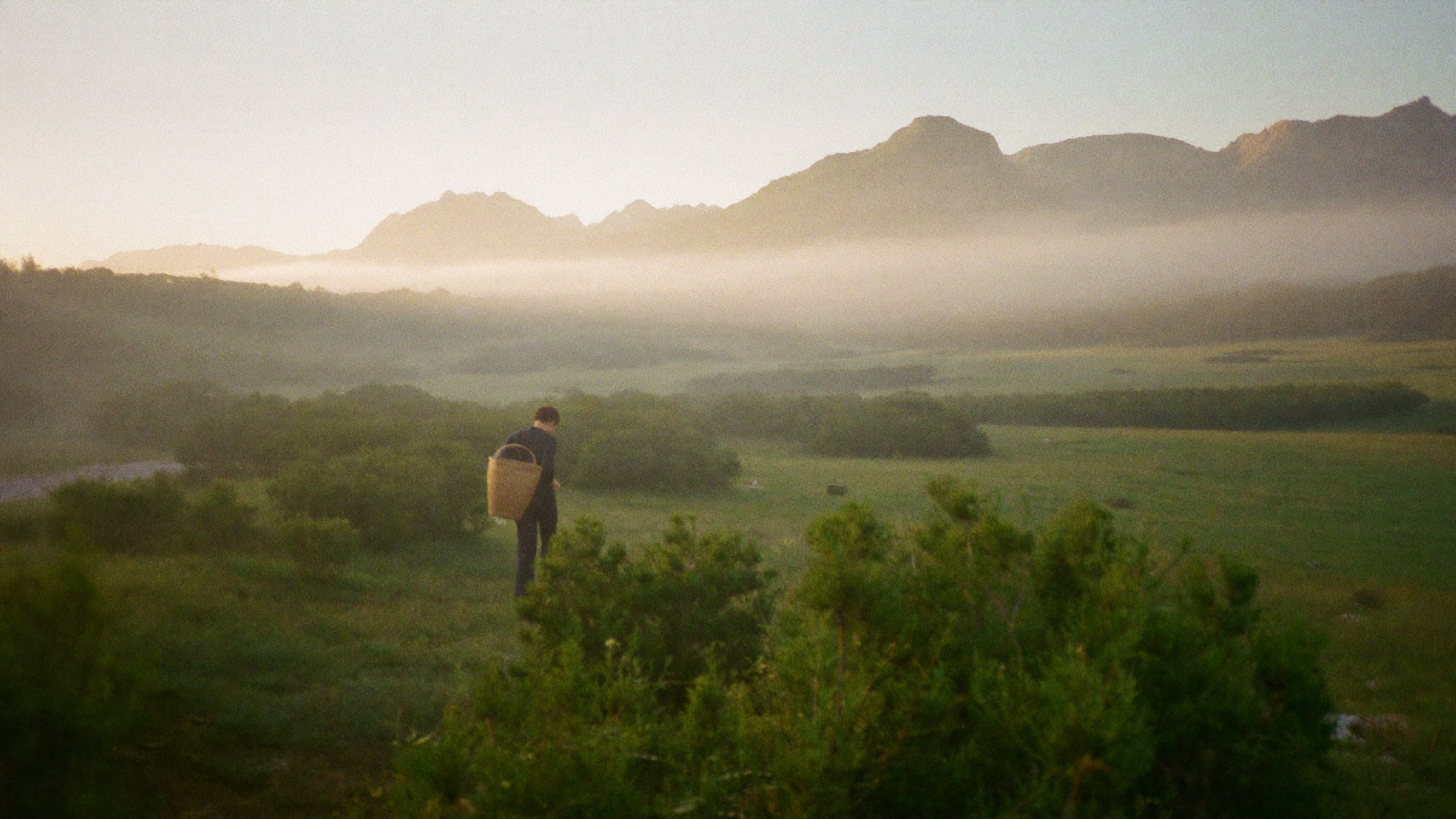
At half past five in the morning, the Rhône Valley is still in shadow. The sun only touches the highest peaks as Prisca Salzmann climbs the hillside above Raron. She carries a basket, a field guide she barely needs any more, and twenty years of knowledge about the plants of this place. Today, they’re looking for gentian.
Why We Forage
There is an easier way to source botanicals: buy them from a supplier. Dried, standardised, certified, delivered. Fast, reliable, and every batch identical to the last.
That’s also the problem.
Botanicals aren’t chemicals. Their aroma varies from site to site, year to year, early bloom to late bloom. This variation isn’t a flaw — it’s information. It tells us what the year was, what the land gave. Filtering this information out through the supply chain produces reliably — but without a story.
The Season’s Botanicals
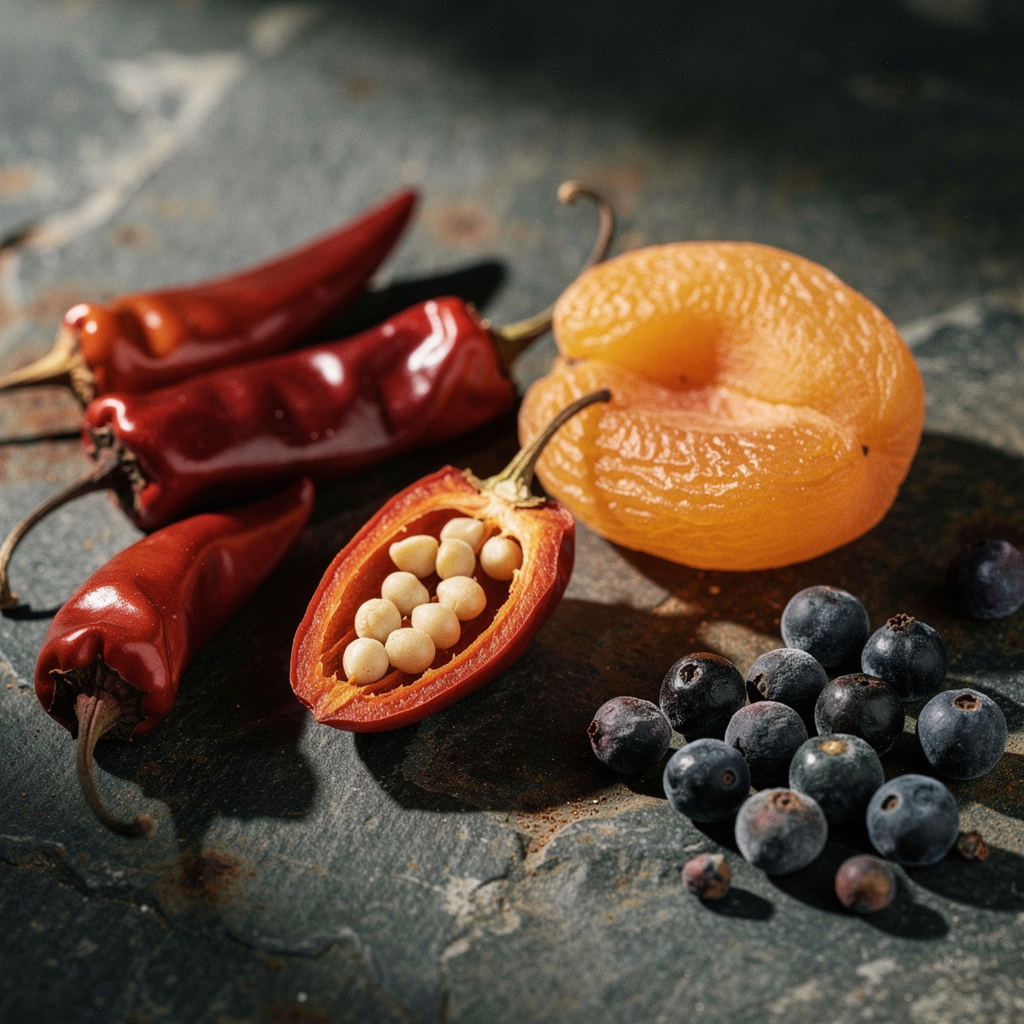
In spring, it starts with blossoms. Elderflower in the valley where May and June meet. Chamomile on south-facing meadows. Higher up, where the grass is shorter and the air thinner, you find alpine oregano — a robust wild herb with a slightly resinous, almost fir-like scent.
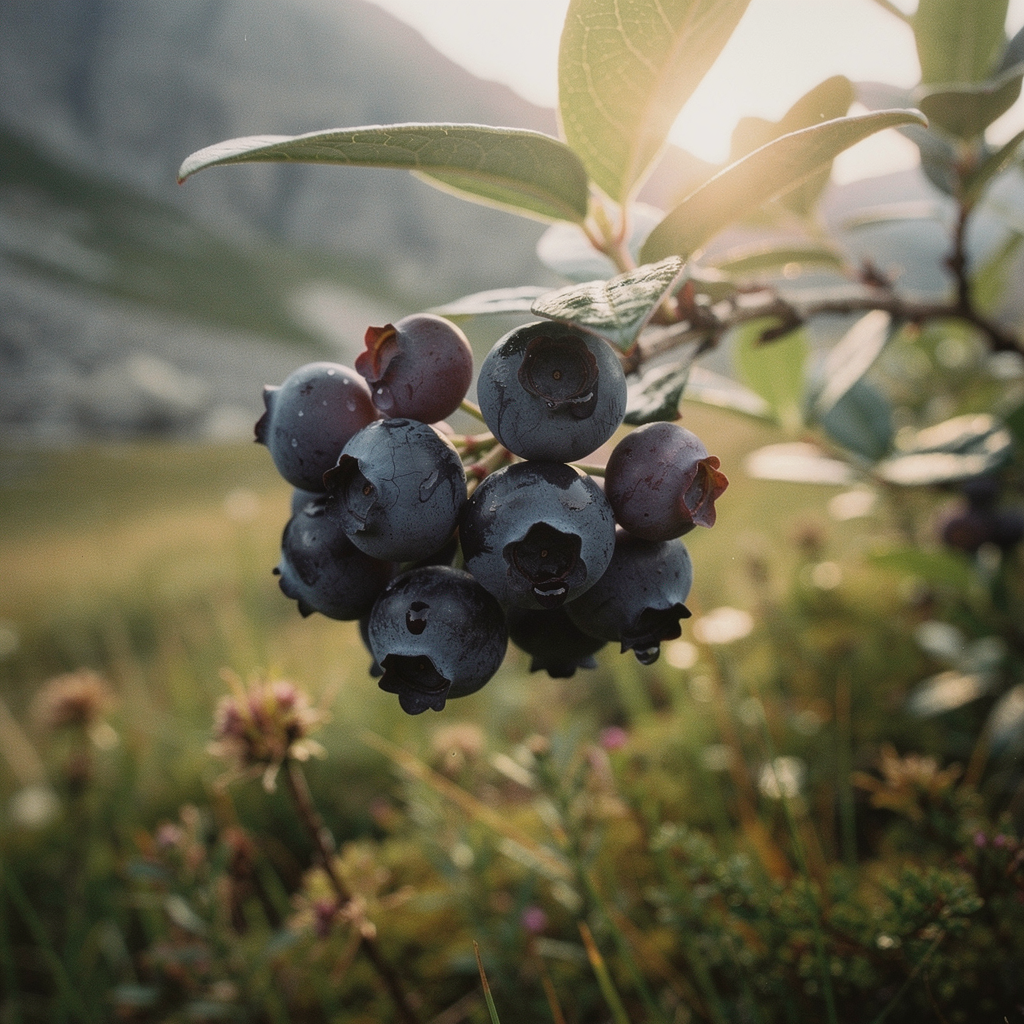
Summer brings berries. Juniper berries only ripen in their second or third year after flowering. Every bush is a mix of green unripe and dark ripe berries. We pick only the ripe ones. By hand, berry by berry.
Autumn is the season of roots. Gentian root is harvested after the first frost, when the plant has retreated into itself and the aromas are most concentrated.
Sustainability as Principle
Foraging doesn’t mean taking. It means choosing.
We never take more than a third of the visible berries or blossoms at any site. We record where we’ve gathered and return to different spots the following year. We report unusual finds to the cantonal nature protection authority.
Not because it’s required. Because we want to still be foraging here in ten years.
What Makes Wild-Gathered Different
A freshly processed botanical behaves differently from a dried one from a supplier. The volatile aromas are more intense. The maceration is more lively. The distillate has an immediacy in the glass that you notice.
We dry part of our botanicals gently at low temperature to preserve them for winter batches. But the spring batch of Solstice Gin always contains fresh botanicals, harvested that same day. This isn’t reproducible. That’s intentional.
On the Way Back
Prisca Salzmann is back by half past nine. The basket is half full — enough for one distillation run. At home, the gentian is cleaned, the elderflower sorted. In the afternoon, the maceration begins. In three days, we distil.
This is how Solstice Gin comes to be: step by step, hand by hand, season by season.