Gentiana lutea — yellow gentian — grows almost everywhere in Valais above the treeline. The plant takes around twenty years to flower for the first time, and its root can reach a metre in length. It contains gentiopicroside and amarogentin — two of the most bitter naturally occurring compounds known in the food industry.
In Solstice Gin, gentian is the character anchor. It gives the gin a dry, clean bitterness that is neither astringent nor sour, but extends the finish and prepares the palate for the next sip. Anyone who knows a good, not-too-sweet Aperol Spritz knows this function — the bitter element creates appetite for more.
Dosing is tricky. Too little gentian and the gin tastes flat and one-dimensional. Too much and the bitterness overpowers everything else. We found the quantity through distillation trials, not through a formula. Every summer we test the batch fresh, because gentian carries varying concentrations of bitter compounds depending on the harvest year.
We source our gentian from a forager in the Goms valley who digs the roots by hand and dries them slowly. Wildcrafting in the Alps is governed by strict cantonal regulations — a permit is required, and the quantities that may be collected are limited. This makes gentian a comparatively expensive botanical.
In the glass, gentian unfolds differently depending on the mixture. Neat or with a little water it is pronounced and almost medicinal — like a bitter herbal liqueur, but brighter. In a G&T it opens up; the carbonation carries the essential oils upward and the bitterness merges with that of the tonic water. In a Martini, where no sweetening element softens it, gentian sits right at the front — this is probably the combination that shows what Solstice Gin actually is.
Gentian has a long history as a medicinal plant: as a digestive bitter, as a tonic, as a component of herbal cures. That history interests us, but it is not why we use it. We use it because it comes from the mountains we see when we leave the distillery.
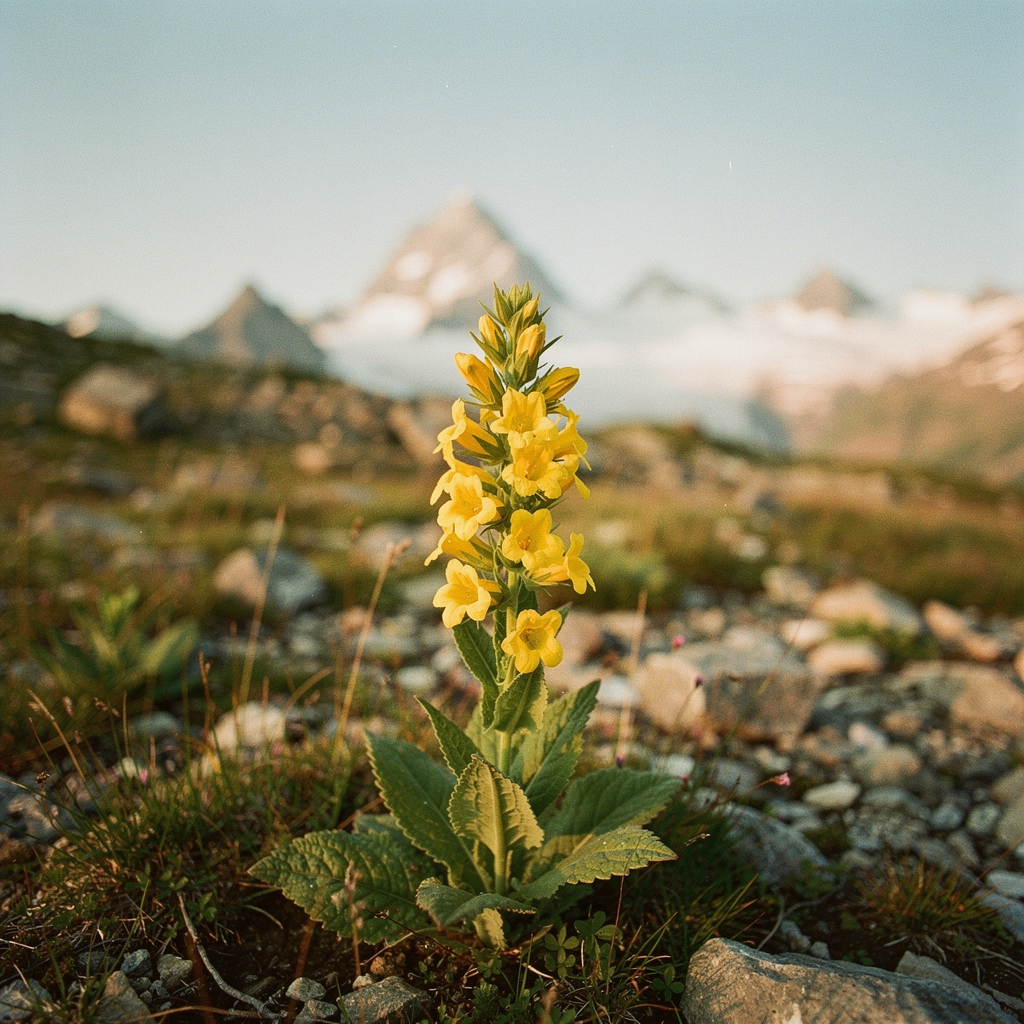
Gentian — the defining botanical of Solstice Gin
Gentian grows in Valais between 1500 and 2500 metres. What makes it a remarkable botanical, why it is difficult to dose, and what it does in the glass.
Continue reading
More from the Blog
ingredients·September 3, 2026
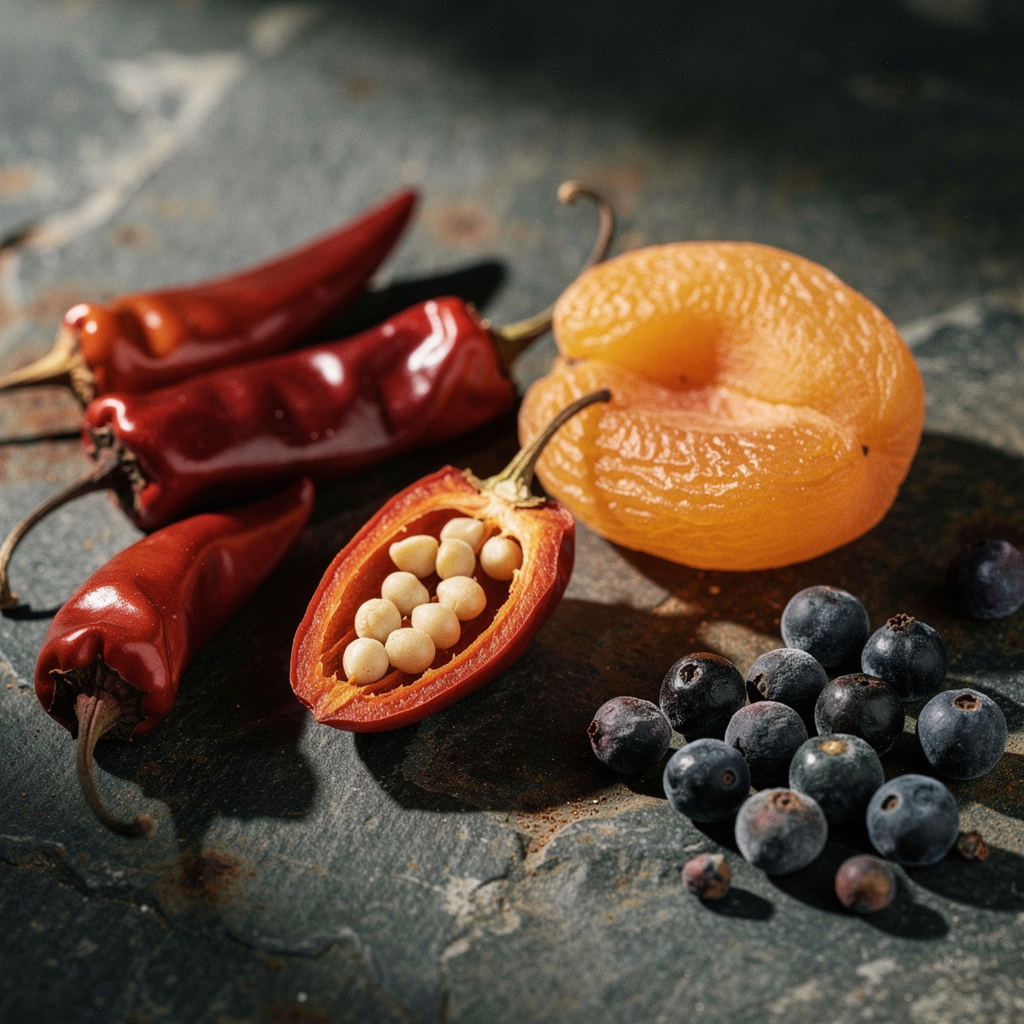
Chilli in Rarner Gin: Why Heat Is Not a Gimmick
Chilli in gin sounds like marketing. In Rarner Gin it is an aromatic decision — it extends the finish, contrasts the apricot sweetness, and gives the gin a tension that would be absent without it.
5 min readRead
ingredients·August 6, 2026
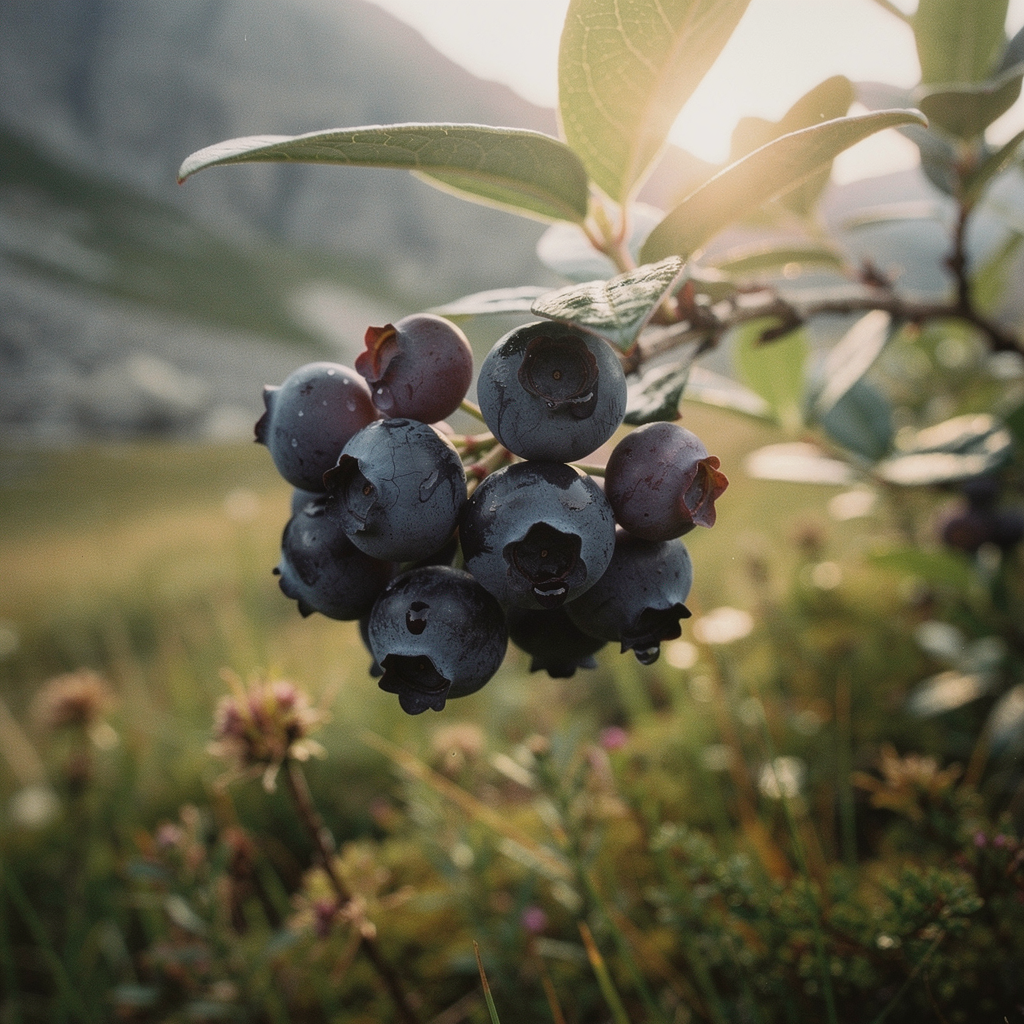
Blueberry in Rarner Gin: An Underestimated Botanical
The blueberry is the quietest botanical in Rarner Gin — and perhaps the most important. It bridges the fruity apricot and the earthy larch wood into a profile that would fall apart without it.
5 min readRead
ingredients·June 11, 2026
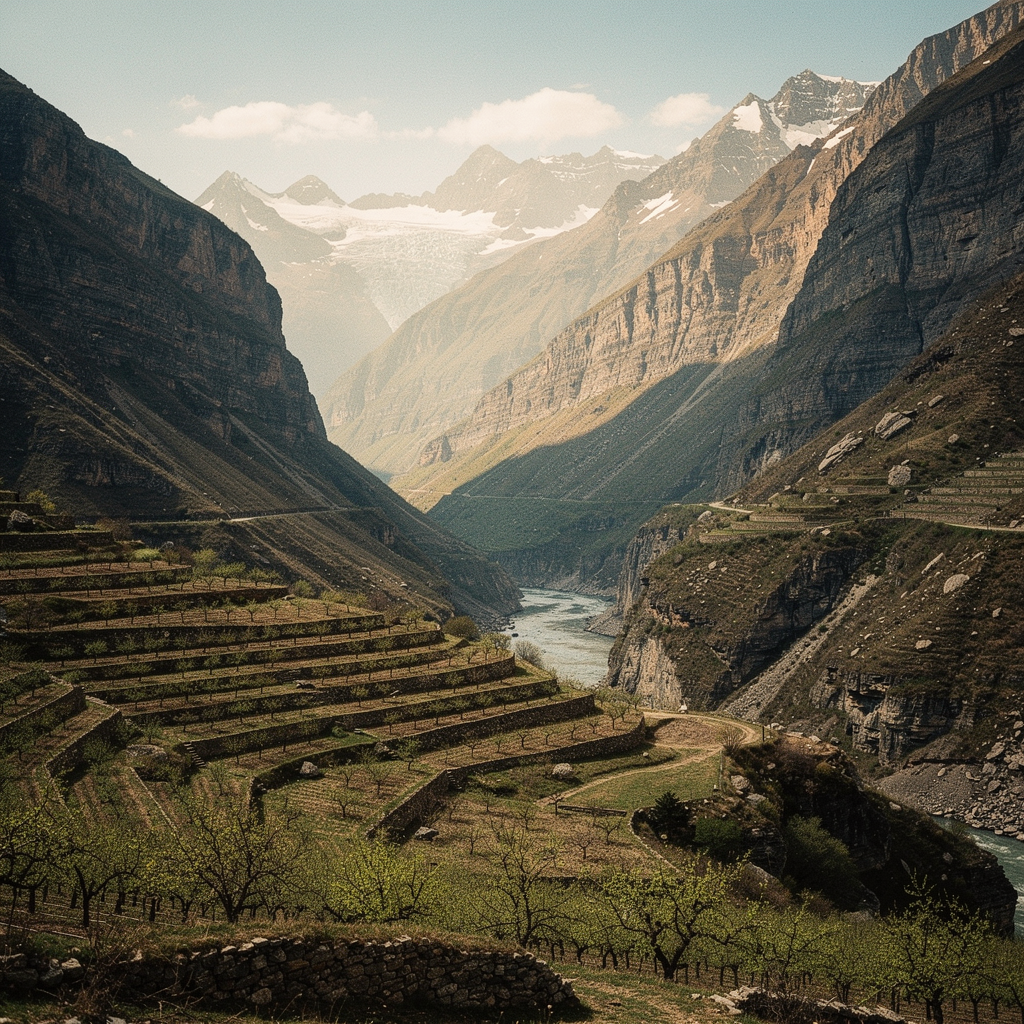
The Rhône Valley as Terroir: How Geography Shapes Flavour
Terroir is a wine term. But what it describes — the influence of soil, climate and location on a product — applies equally to gin. Why the Rhône valley is not an arbitrary location for a distillery.
5 min readRead