Fresh ginger smells of citrus zest, pine resin, and a little earth. Dried ginger is warmer, duller, almost sharp-sweet. In Rarner Gin we use both — fresh root and dried slices — because they contribute different aromatic fractions.
During maceration, fresh root releases mainly zingiberol, the essential oil responsible for the clear, bright scent. Dried slices extract more gingerol, the compound that gives ginger its biting character. Together they create a heat that starts at the tip of the tongue and fades on the palate without burning the throat.
What distillation leaves behind is the texture and heavy sweetness of fresh ginger. Steam carries only the volatile aromatics into the distillate. What remains is clean and precise.
In Rarner Gin, ginger sits between apricot and chilli. The apricot brings ripeness and weight; the chilli (capsaicin is barely present in the distillate — the heat sensation comes more from alcohol in combination with the essential oils) extends the finish. Ginger bridges these two poles: brighter than the chilli, sharper than the apricot.
Mixed with ginger beer, this effect compounds. Carbonation opens the palate to the essential oils, and the bite of Rarner Gin and ginger beer speak the same language without doubling each other.
To foreground ginger on its own terms, mix Rarner Gin with freshly pressed ginger juice, lime juice, and a touch of honey syrup. No ginger beer, no tonic — just what the botanicals already bring.
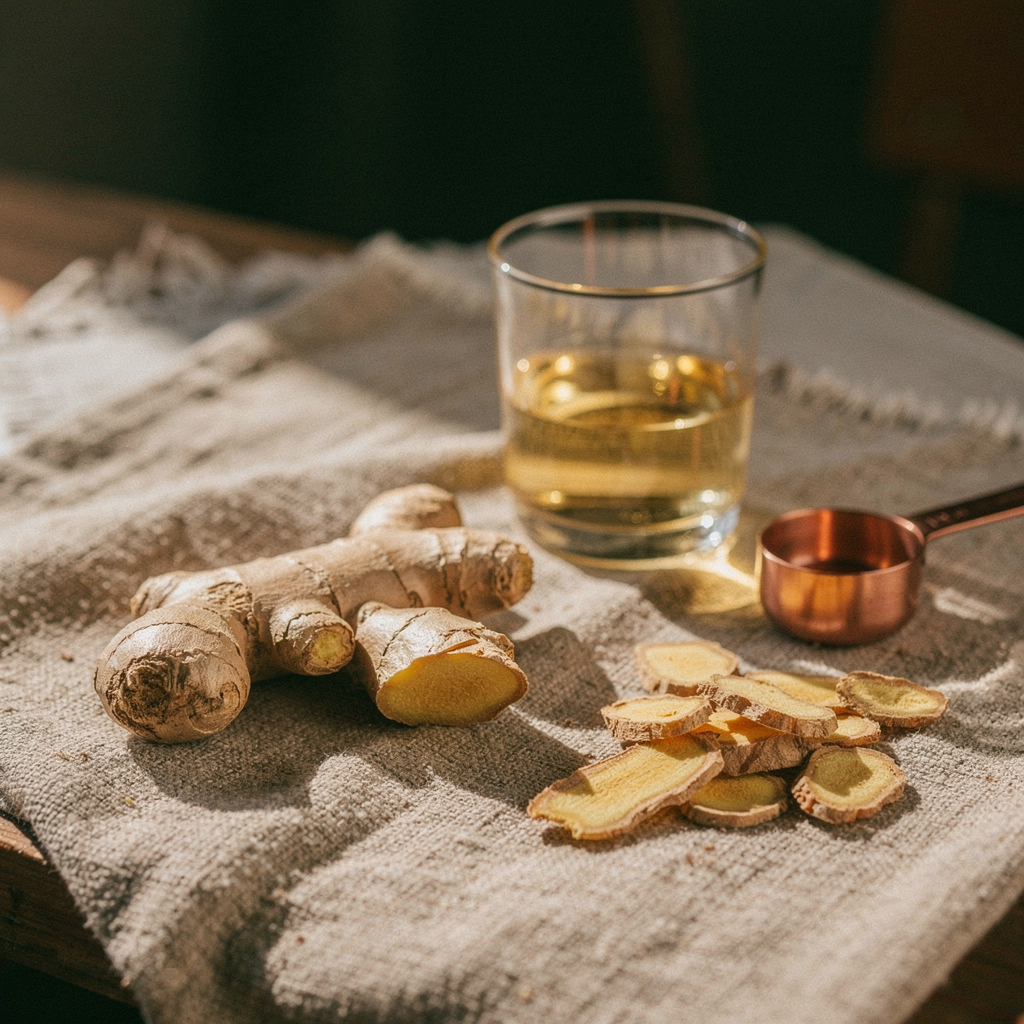
Ginger in Rarner Gin — why heat is not the same as spice
Ginger shows up in Rarner Gin as bite, not warmth. What distillation takes from the root — and what it leaves behind.
Continue reading
More from the Blog
ingredients·September 3, 2026
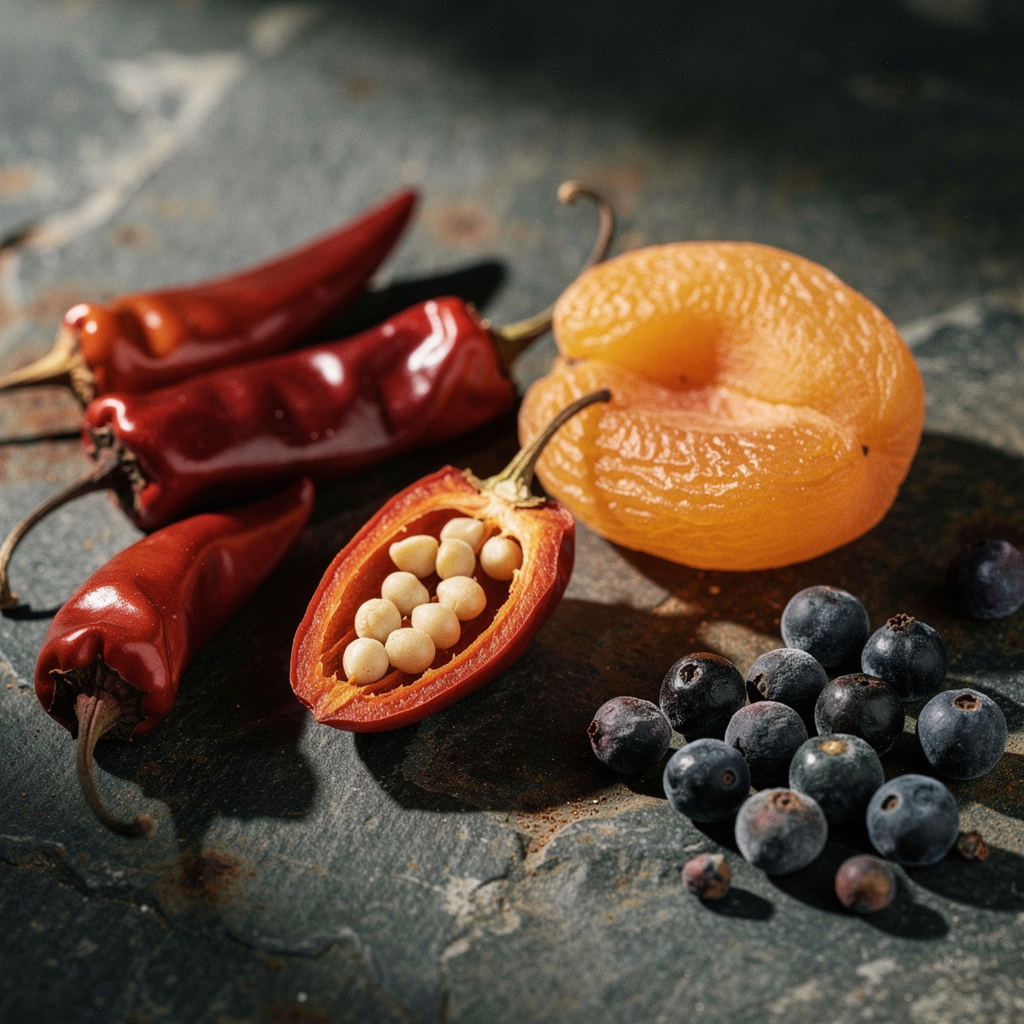
Chilli in Rarner Gin: Why Heat Is Not a Gimmick
Chilli in gin sounds like marketing. In Rarner Gin it is an aromatic decision — it extends the finish, contrasts the apricot sweetness, and gives the gin a tension that would be absent without it.
5 min readRead
ingredients·August 6, 2026
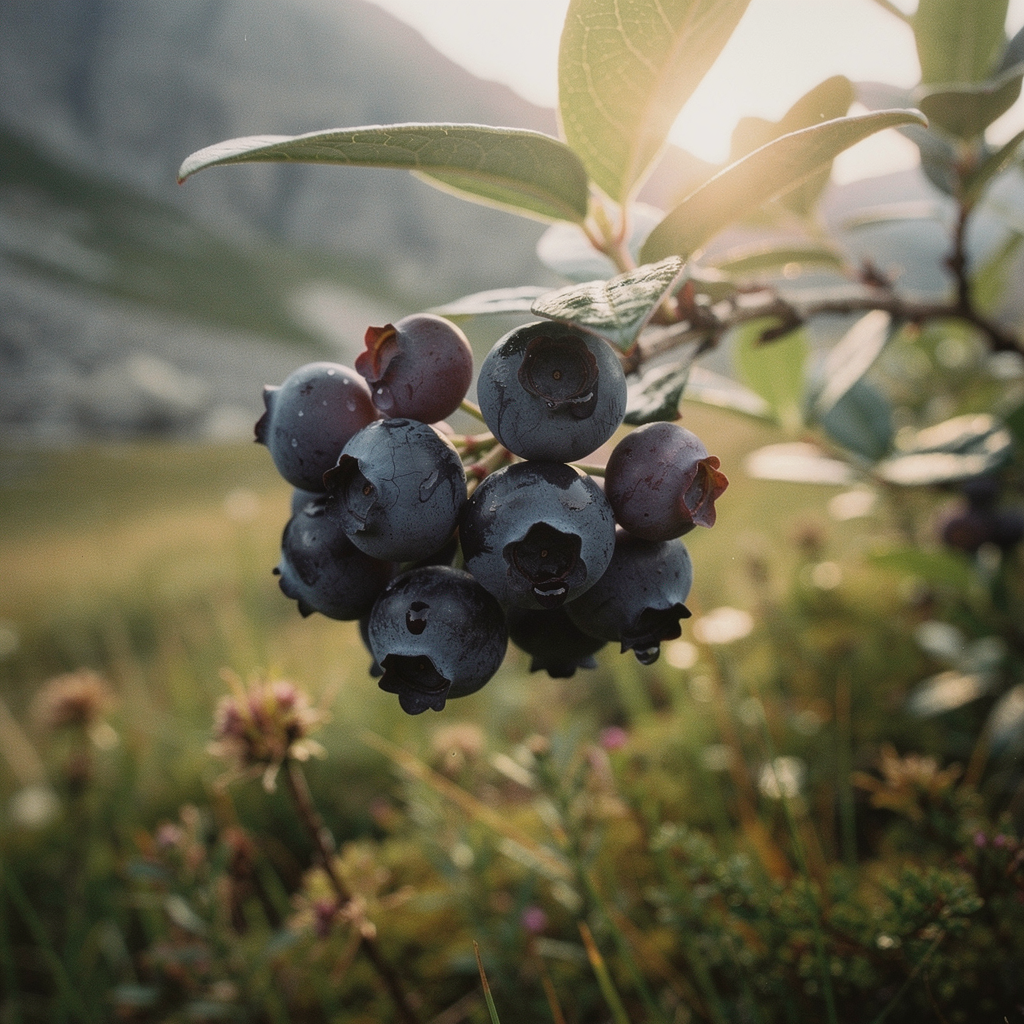
Blueberry in Rarner Gin: An Underestimated Botanical
The blueberry is the quietest botanical in Rarner Gin — and perhaps the most important. It bridges the fruity apricot and the earthy larch wood into a profile that would fall apart without it.
5 min readRead
ingredients·June 11, 2026
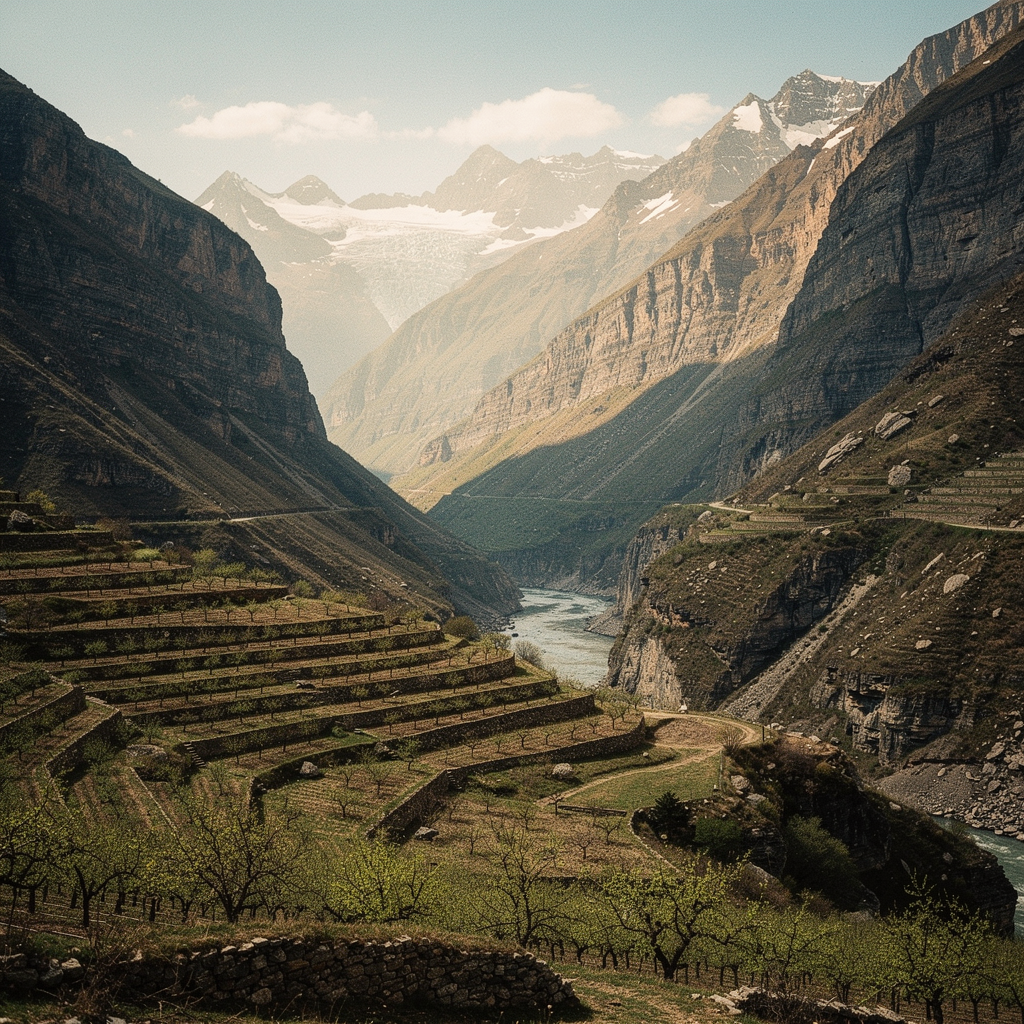
The Rhône Valley as Terroir: How Geography Shapes Flavour
Terroir is a wine term. But what it describes — the influence of soil, climate and location on a product — applies equally to gin. Why the Rhône valley is not an arbitrary location for a distillery.
5 min readRead