Gin is often judged by its botanicals. By juniper intensity, citrus notes, length of finish. Yet one ingredient is almost always overlooked, despite making up more than half of the finished product: the water used to dilute the spirit.
Why Water Is Underestimated
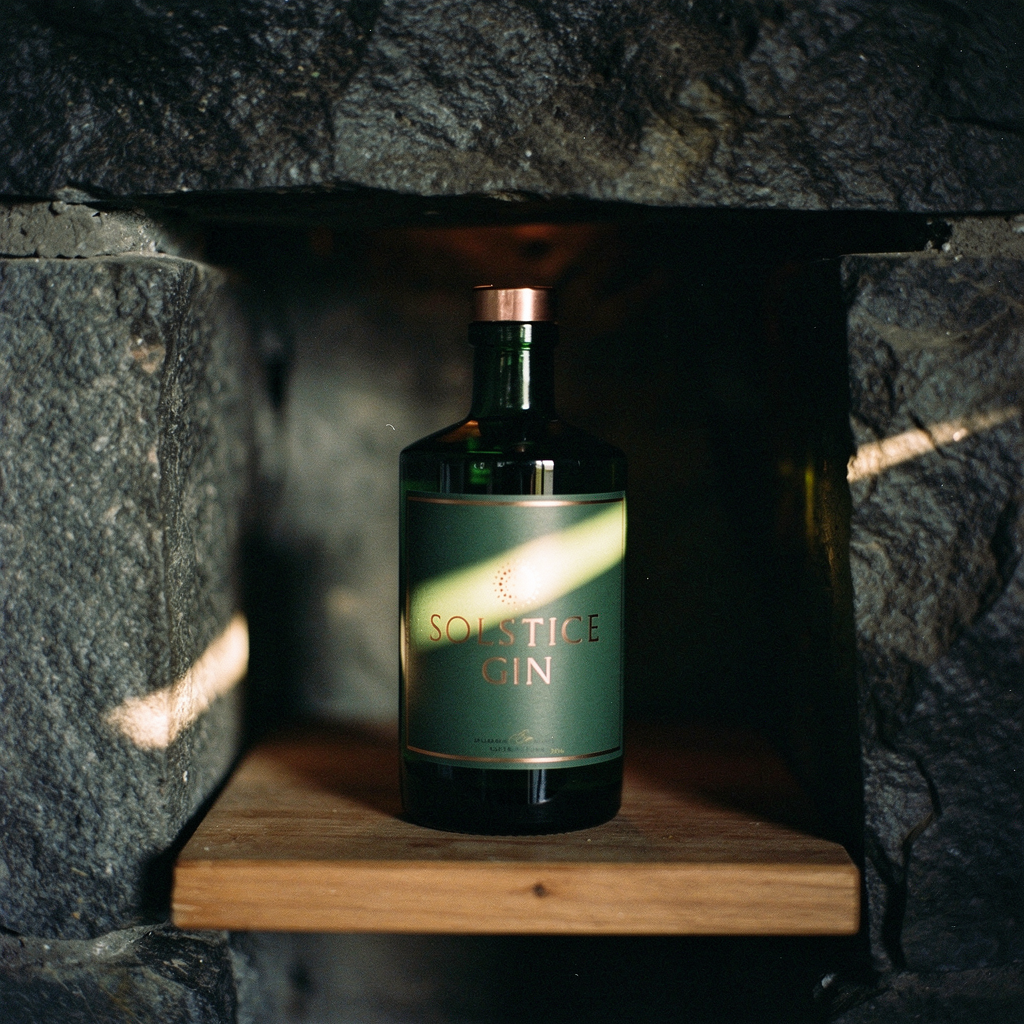
After distillation, raw spirit leaves the still at 70 to 80% ABV. This is then reduced with water to drinking strength — 43% ABV in the case of Solstice Gin. That means nearly half the liquid volume of every bottle is pure water.
Water that has flavour changes the gin. Hard water can cause haze. Good water, by contrast, steps back — and lets the botanicals speak.
Valais Spring Water
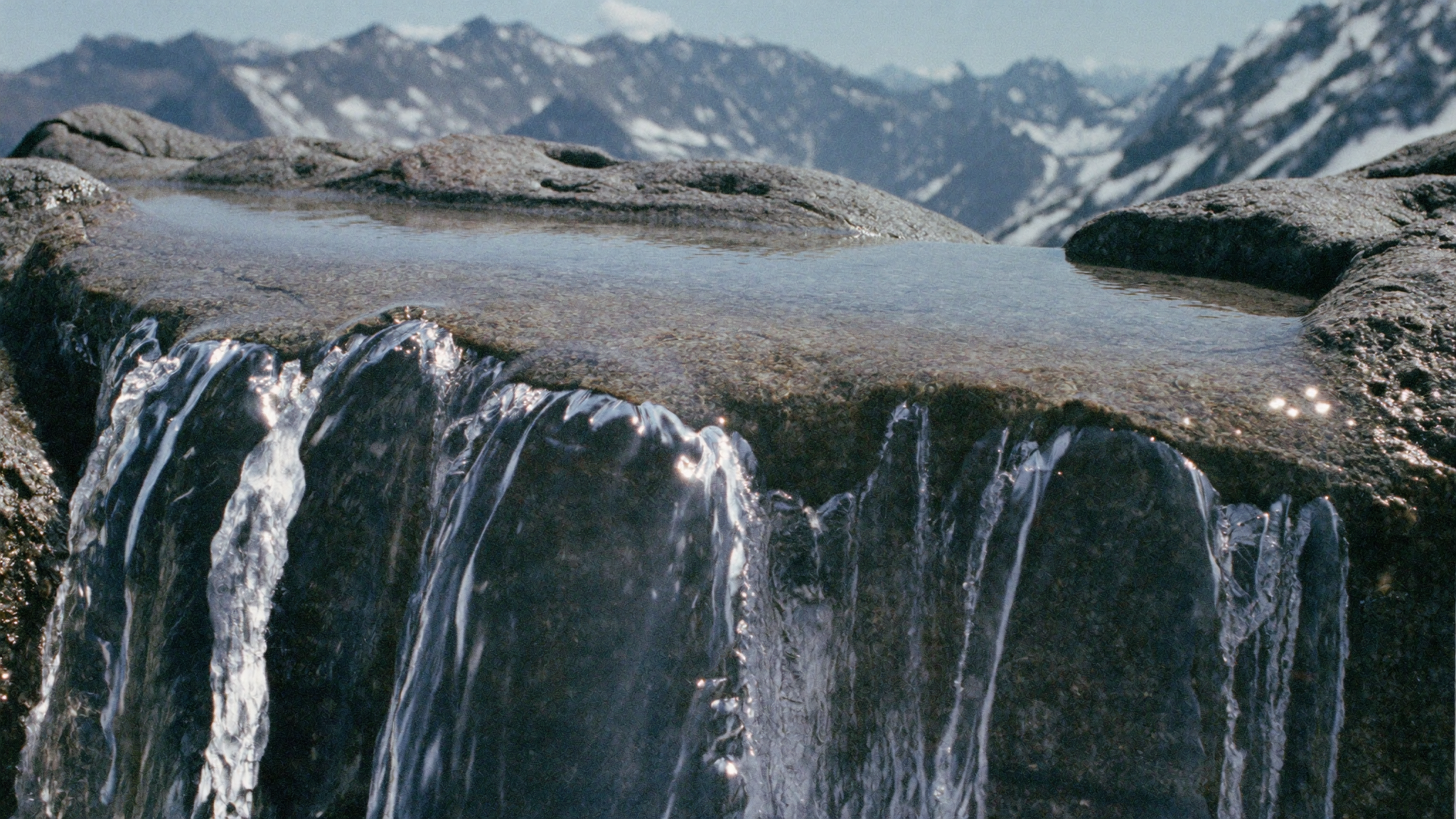
The water we use for Solstice Gin comes from springs in the Valais high mountains. It is remarkably soft, low in dissolved minerals, and has a clarity that is immediately perceptible on the palate.
Soft means: low calcium, low magnesium. These ions don’t form bonds with the aromatic compounds of the distillate that could alter flavour or cause cloudiness. The result is a gin that remains crystal clear — even chilled, even drunk neat.
The Temperature of the Springs
High-mountain springs stay very cold even in summer — often below 10°C. This natural coldness has a practical advantage: it allows us to work without industrial refrigeration. The water that reduces the distillate is the same water that cools the condensation coil.
Water as a Mark of Origin
In whisky production, water has long been recognised as a characteristic of origin. The peat content of Scottish springs, the softness of Irish streams, the minerals in Japanese mountain sources — all of this shapes the character of the distillate. In gin, this thinking remains rare.
Yet the logic is clear: distilling Valais juniper and then diluting with urban tap water is throwing away half the journey. We don’t do that.
What You Notice in the Glass
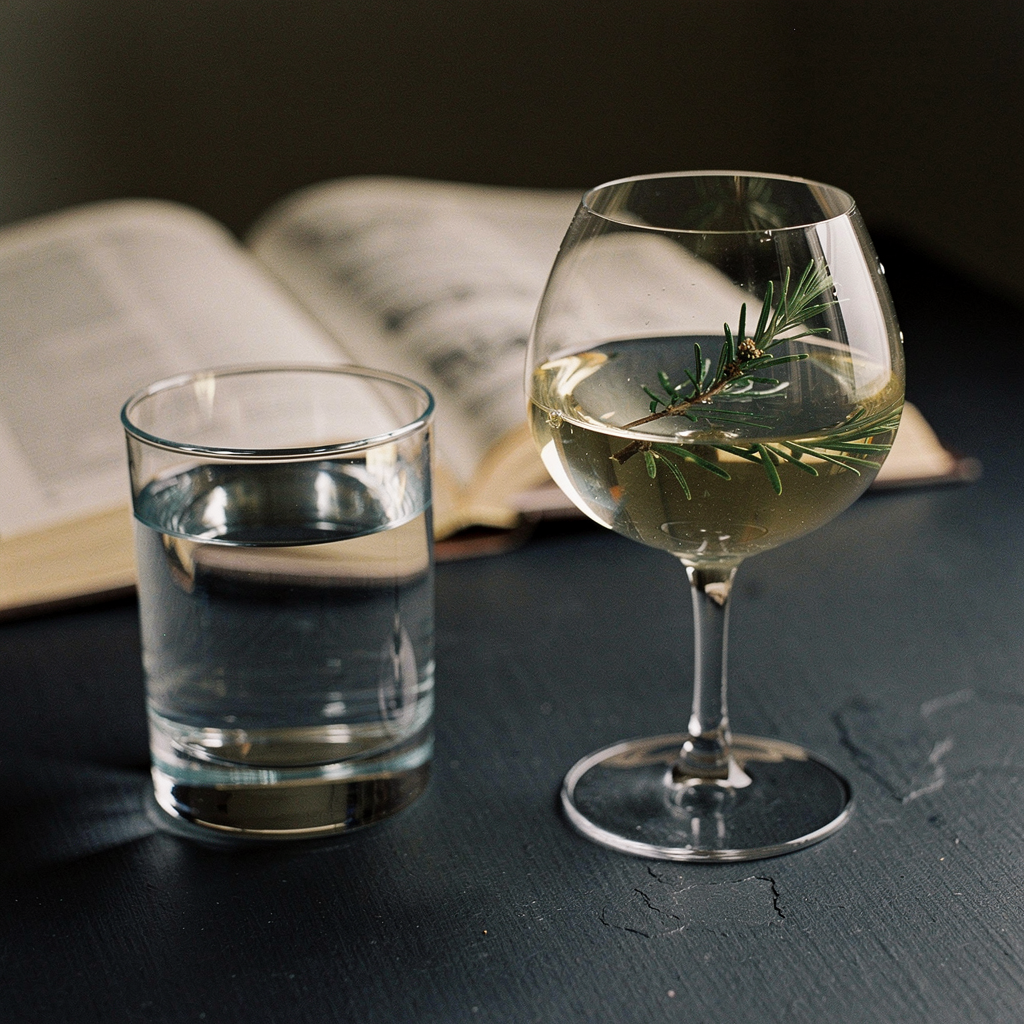
The Valais spring water gives Solstice Gin a texture that’s difficult to put into words. Soft, almost silky. Without the faintly mineral aftertaste found in many European gins. The botanicals come through more clearly, the finish is longer, the overall structure more elegant.
Water doesn’t make the gin. But it allows the gin to become what it should be.