Hibiscus flowers (Hibiscus sabdariffa) are the dried calyces of the roselle plant. They contain anthocyanins — the water-soluble colour pigments that give red wine, blueberries, and red cabbage their colour — along with hibiscus acid and organic fruit acids.
Anyone who knows hibiscus tea knows this combination: deep red colour, sharp cranberry-like acidity, a floral-fruity note that almost seems synthetic but is entirely natural.
What survives distillation? Anthocyanins are not volatile — they cannot rise as vapour and therefore remain in the still residue, not in the distillate. The distillate from hibiscus is almost colourless to pale rose. The vivid red colour some gins achieve through hibiscus comes either from cold maceration after distillation or from added colourants.
What does carry over are the volatile aroma compounds: principally a floral-acidic tone recalling rosehip and under-ripe raspberry, with a light earthiness beneath. In Hiemalis Gin this tone sits between cinnamon and lavender — complementing the fruitiness of the dried apple and orange peel without dominating.
We use dried hibiscus calyces from controlled cultivation. Quality varies significantly — thin, pale calyces have lower aroma concentration than dark red, fleshy ones. During maceration in spirit the acids and aromatics dissolve quickly, so maceration time for hibiscus is shorter than for harder botanicals like larch or juniper.
The acidity of hibiscus has a practical effect in the cocktail: it lifts other fruity notes and gives Hiemalis Gin a lively finish that prevents the winter spices — cinnamon, cloves, star anise — from making the drink too heavy. Hibiscus is the light element in an otherwise weighty profile.
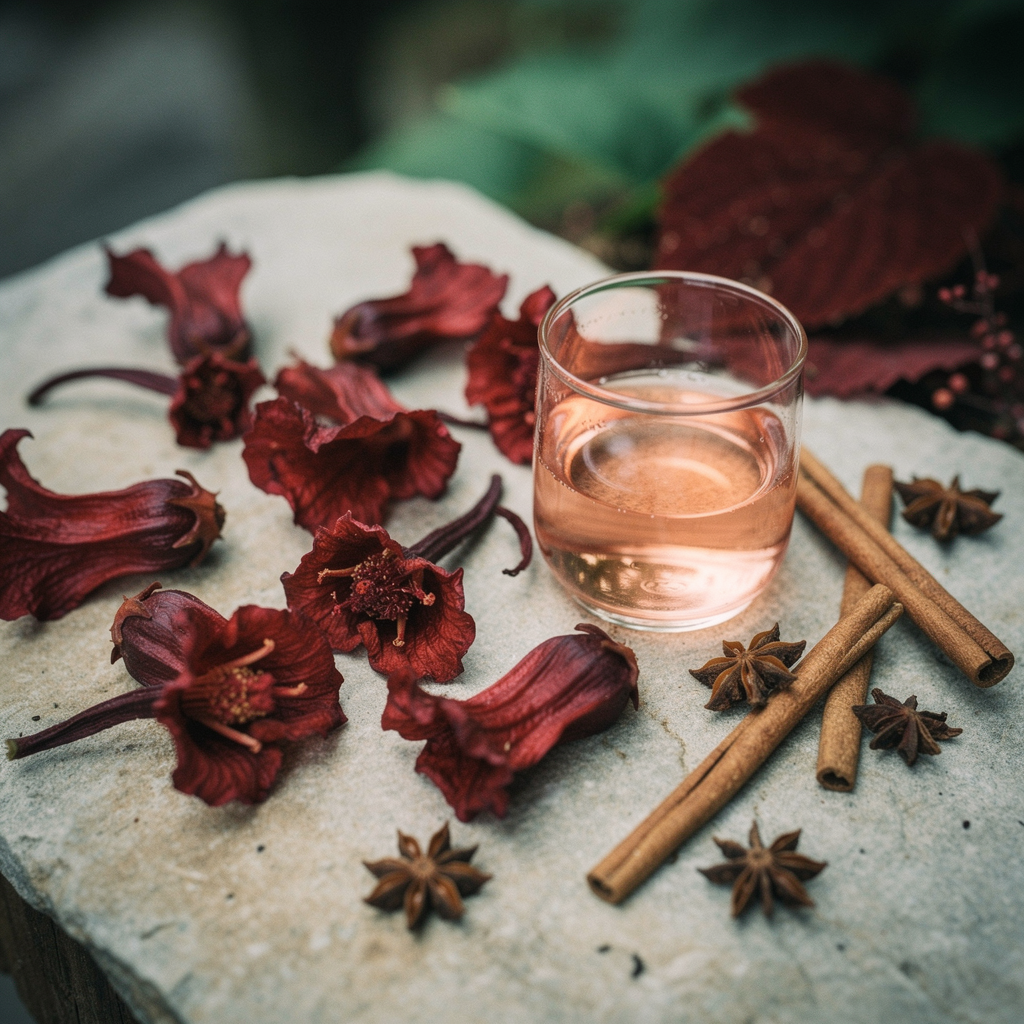
Hibiscus in Hiemalis Gin — colour, acidity, and what distillation keeps
Hibiscus gives tea a vivid red colour and a characteristic acidity. In the distillate almost no colour remains — but aromas do that you would not expect.
Continue reading
More from the Blog
ingredients·September 3, 2026
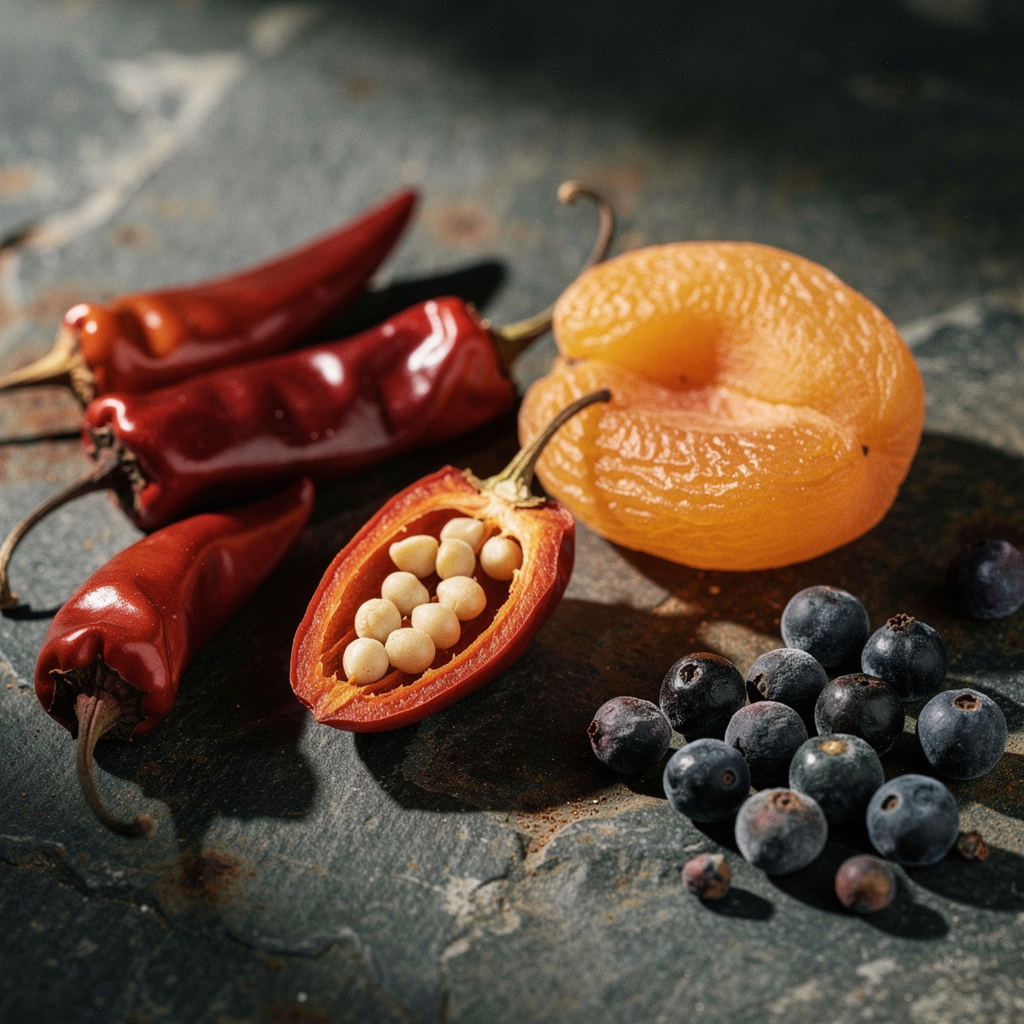
Chilli in Rarner Gin: Why Heat Is Not a Gimmick
Chilli in gin sounds like marketing. In Rarner Gin it is an aromatic decision — it extends the finish, contrasts the apricot sweetness, and gives the gin a tension that would be absent without it.
5 min readRead
ingredients·August 6, 2026
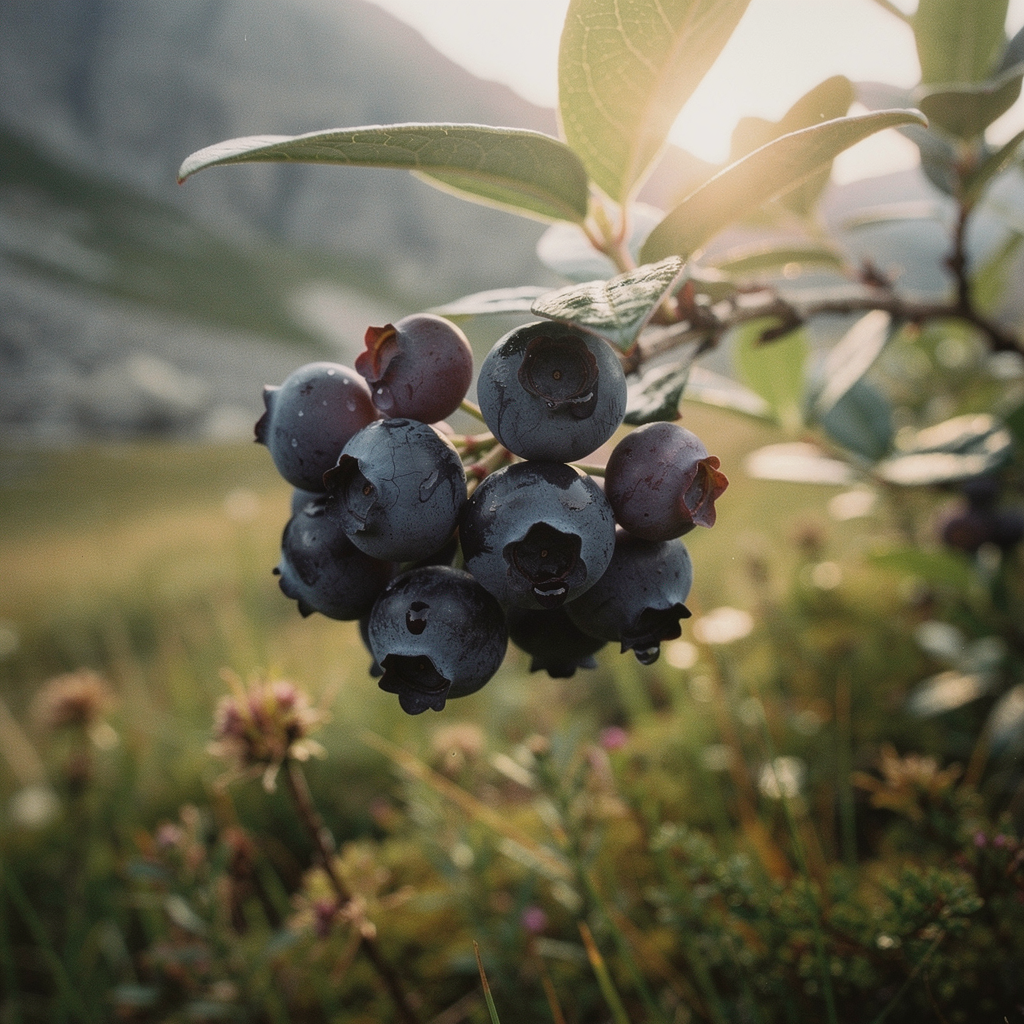
Blueberry in Rarner Gin: An Underestimated Botanical
The blueberry is the quietest botanical in Rarner Gin — and perhaps the most important. It bridges the fruity apricot and the earthy larch wood into a profile that would fall apart without it.
5 min readRead
ingredients·June 11, 2026
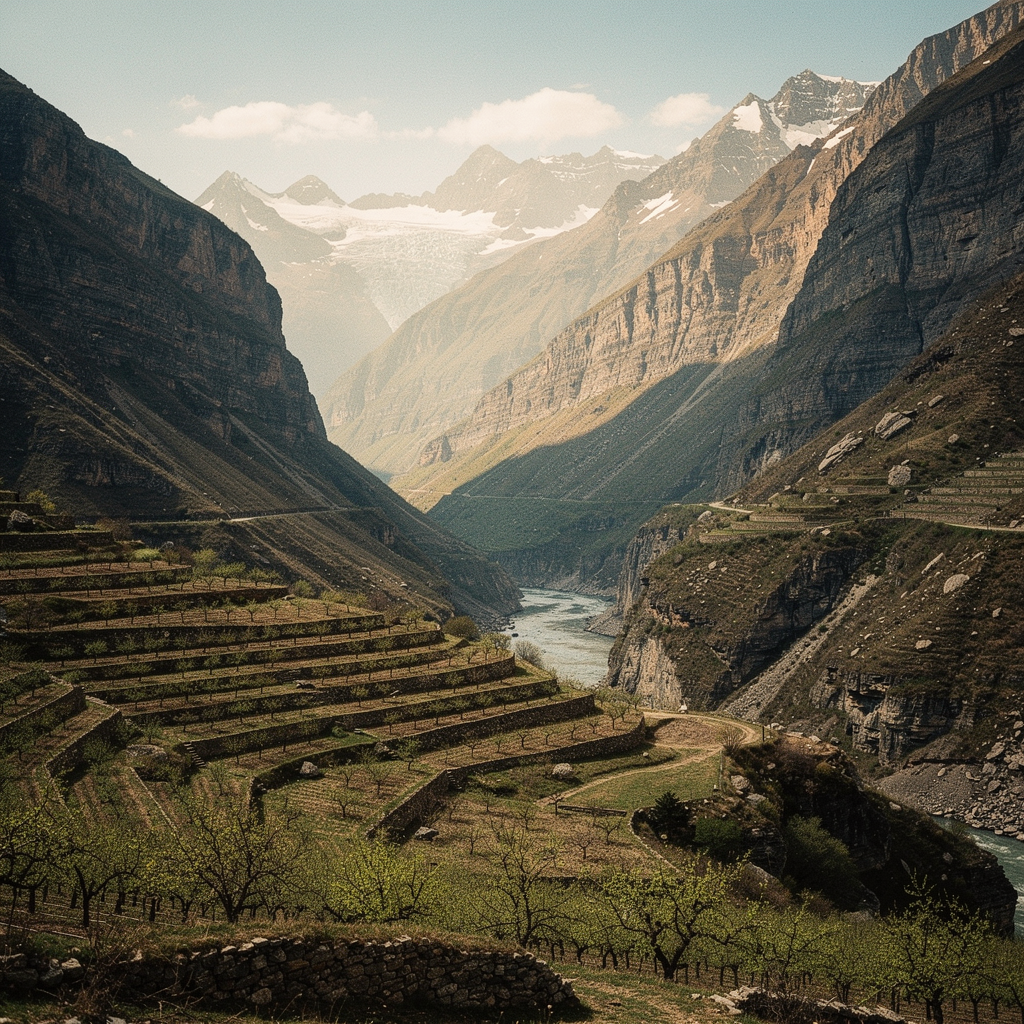
The Rhône Valley as Terroir: How Geography Shapes Flavour
Terroir is a wine term. But what it describes — the influence of soil, climate and location on a product — applies equally to gin. Why the Rhône valley is not an arbitrary location for a distillery.
5 min readRead