Every batch we bottle carries a batch number. This number appears on the label and connects the bottle to a distillation record we keep internally.
The record contains: distillation date, botanicals used with weight and origin, maceration time and temperature, distillation duration, alcohol content of the raw distillate, cut log (when heads, heart, and tails were separated), final alcohol content after cutting with water, fill date, number of bottles filled.
Why do we keep this? First, because of legal documentation requirements — spirits regulations require traceability. Second, because it lets us learn. When a distillate has turned out better or worse than expected, we can look back and find out what changed.
What appears on the bottle is limited: batch number, fill date, alcohol content. Anyone who wants to know more can contact us directly — we are happy to share which harvest the botanicals came from and how the batch ran.
No two batches are identical. This is not a weakness but a direct consequence of using no flavourings or post-distillation corrections. Solstice Gin from an early summer batch has a different gentian concentration than one from an autumn batch, because the botanicals carry different concentrations. We manage this through the cut — where the cut is made influences how much of which aroma lands in the heart.
The batch system also enables quality control: if a bottle has a problem, we can identify and check the entire batch. This is easier at a small operation than in industrial bottling — but it requires disciplined documentation.
For anyone who has the batch number on their bottle: it is always printed on the back label. A glance tells you when the batch was bottled — and therefore how long the bottle has been open or stored unopened.
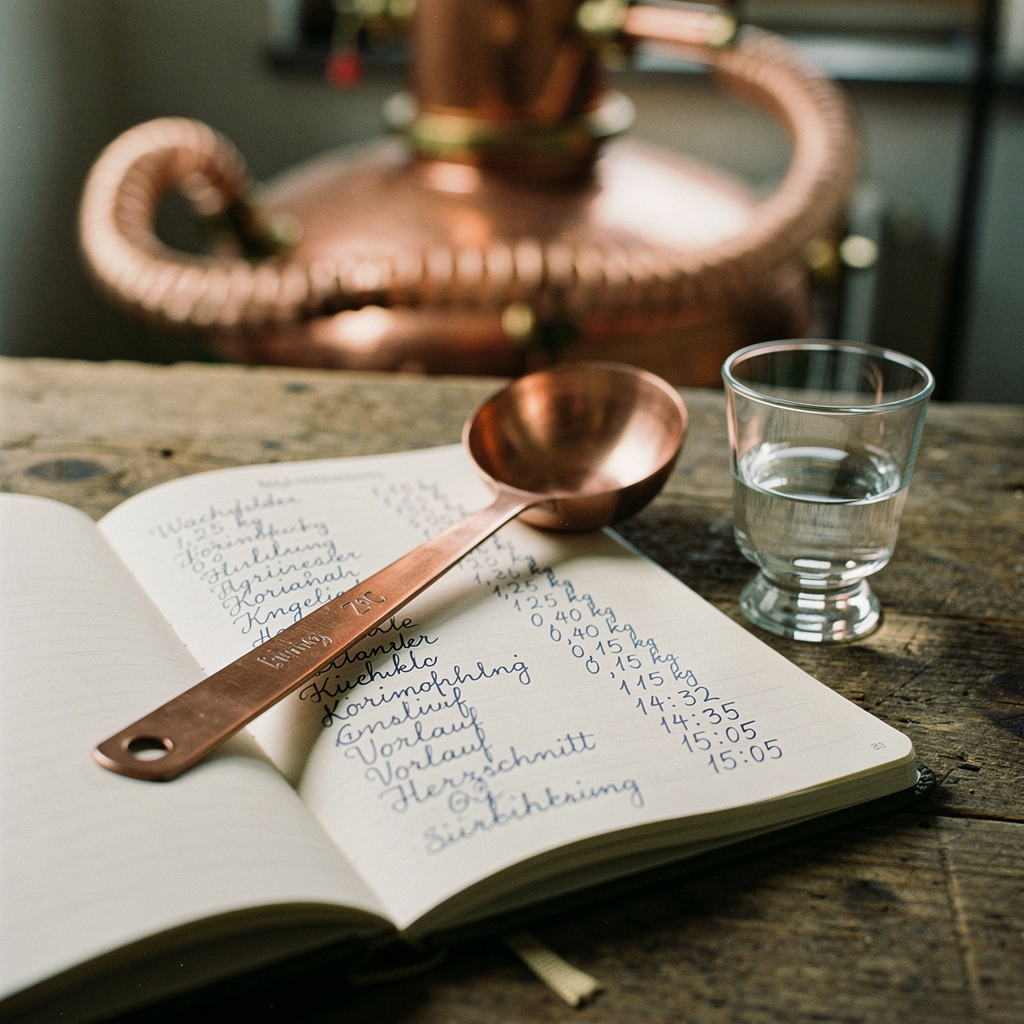
How we document our batches — and why it matters
Every batch of Solstice Gin, Rarner Gin, or Hiemalis Gin gets a number and a protocol. What it contains, why we keep it, and what a buyer can know.
Continue reading
More from the Blog
distillery·July 23, 2026
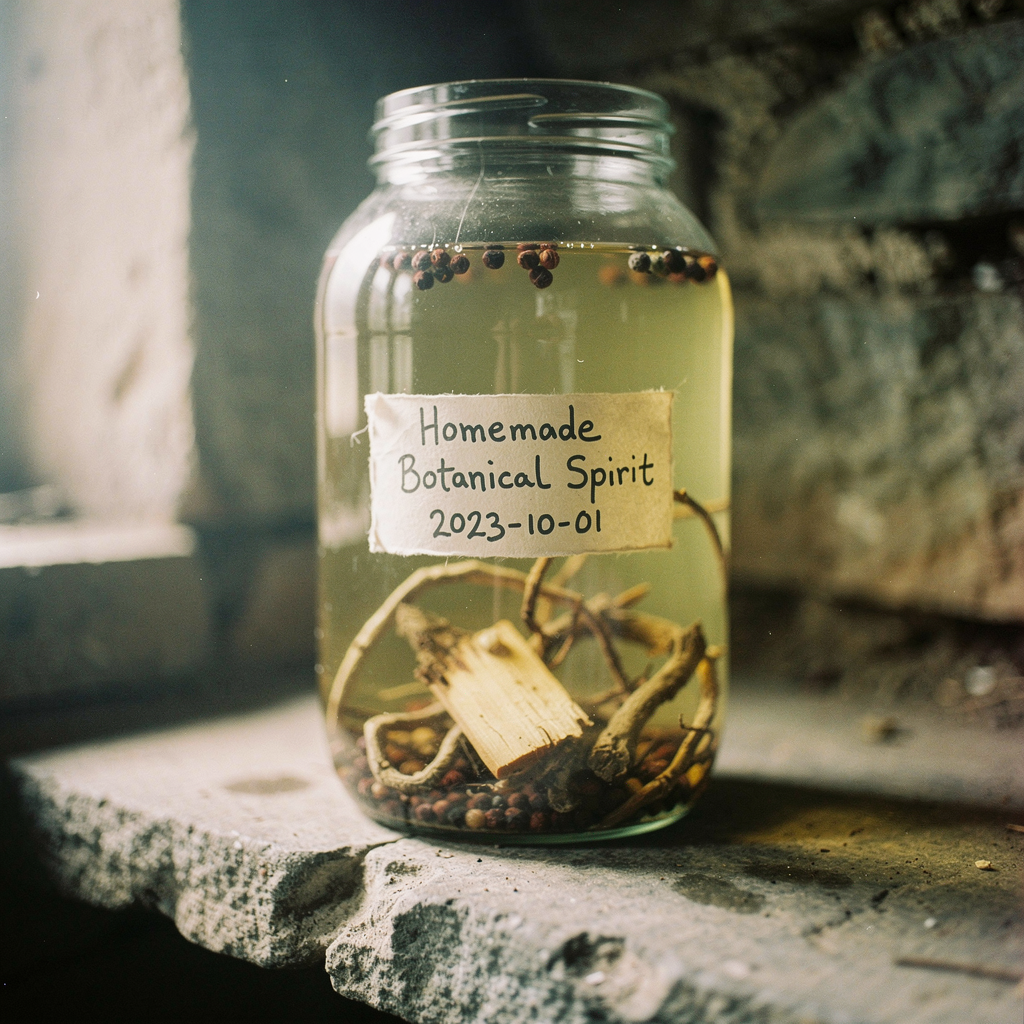
Maceration: How Long Botanicals Steep in Alcohol — and Why It Matters
Before distillation, botanicals macerate in alcohol. How long, at what temperature, in what order — this is not a side detail. It is the quiet phase where the character of a gin is decided.
5 min readRead
distillery·May 14, 2026
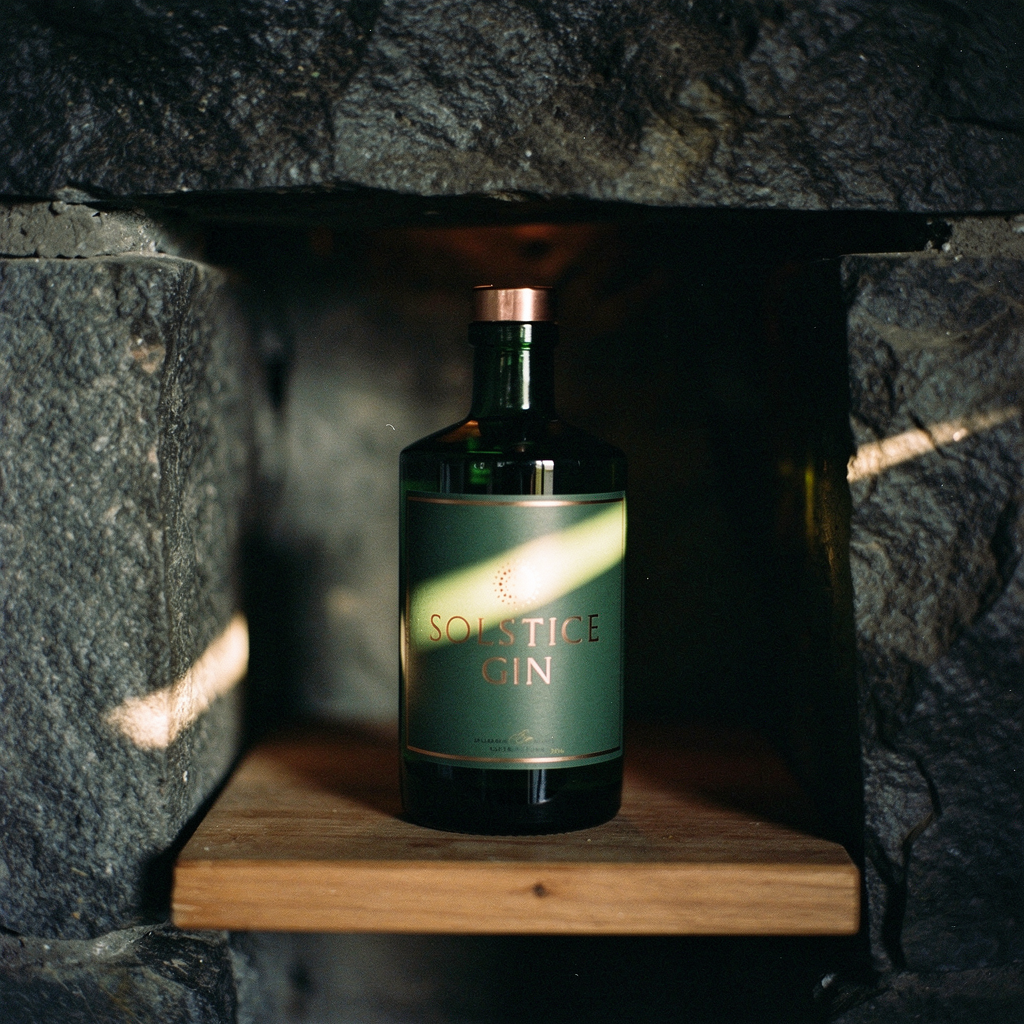
How to Store Gin Correctly: What Light, Heat and Air Do to Your Bottle
Gin is robust — but not invulnerable. Incorrect storage changes the aroma measurably over months. Three factors every gin lover should know.
5 min readRead
distillery·April 30, 2026
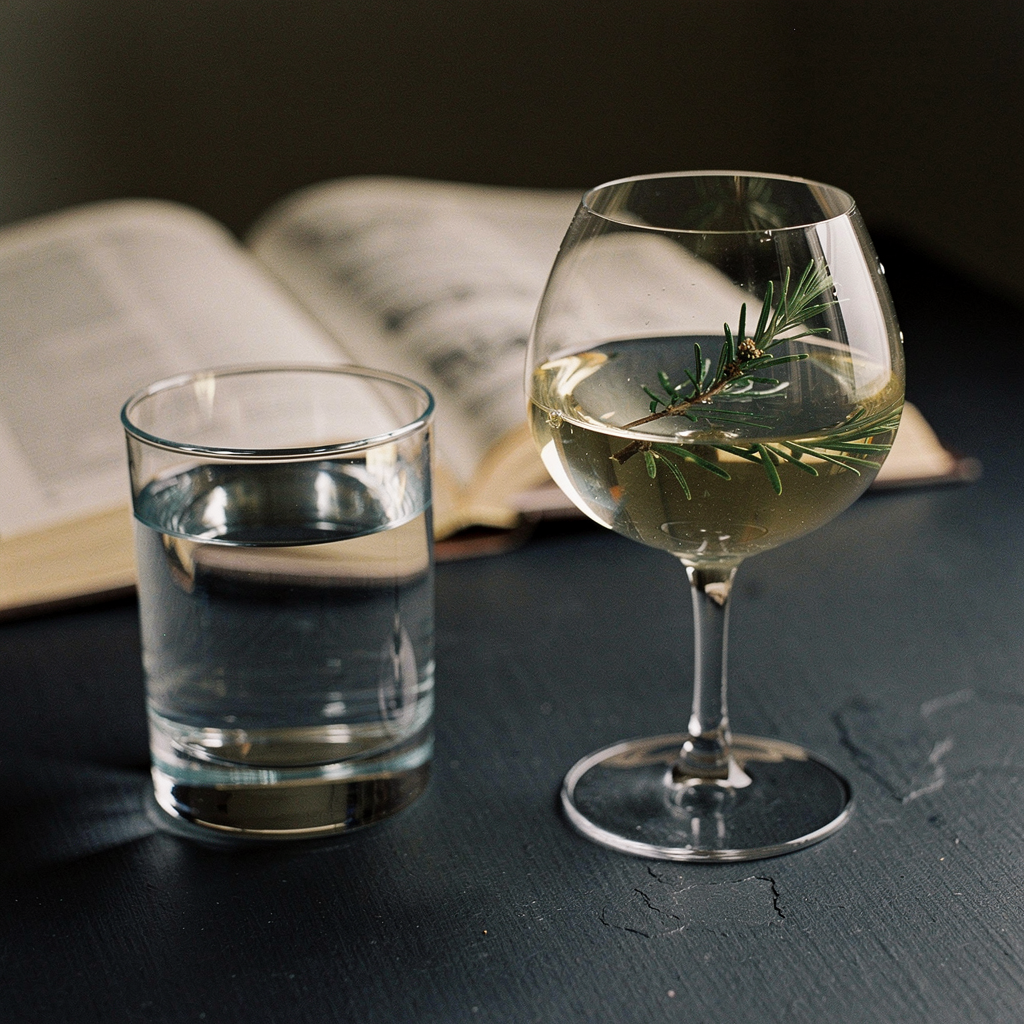
London Dry vs. New Western Gin: Why Categories Matter — and Why They Don’t
London Dry, New Western, Contemporary — the styles say something about a gin. But they don’t explain why it’s good. An honest classification of where Solstice Gin sits.
5 min readRead