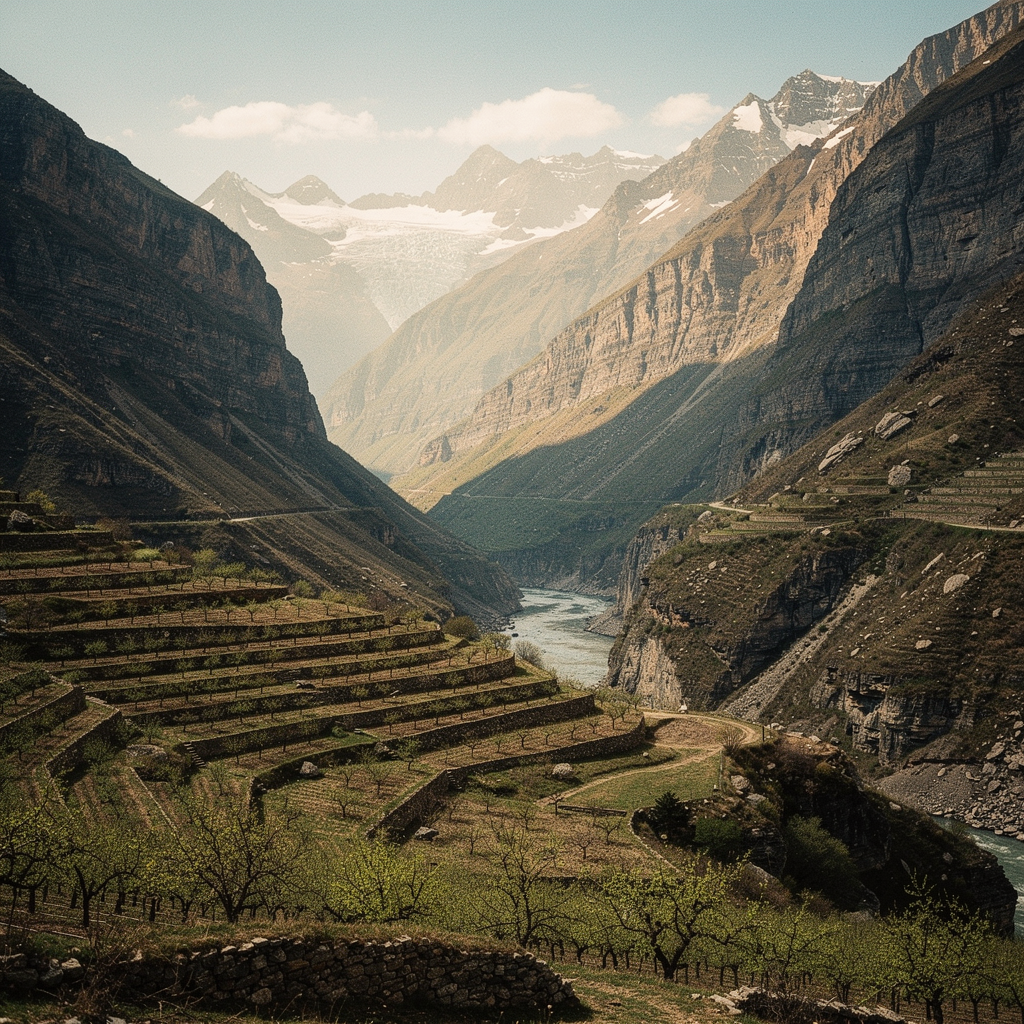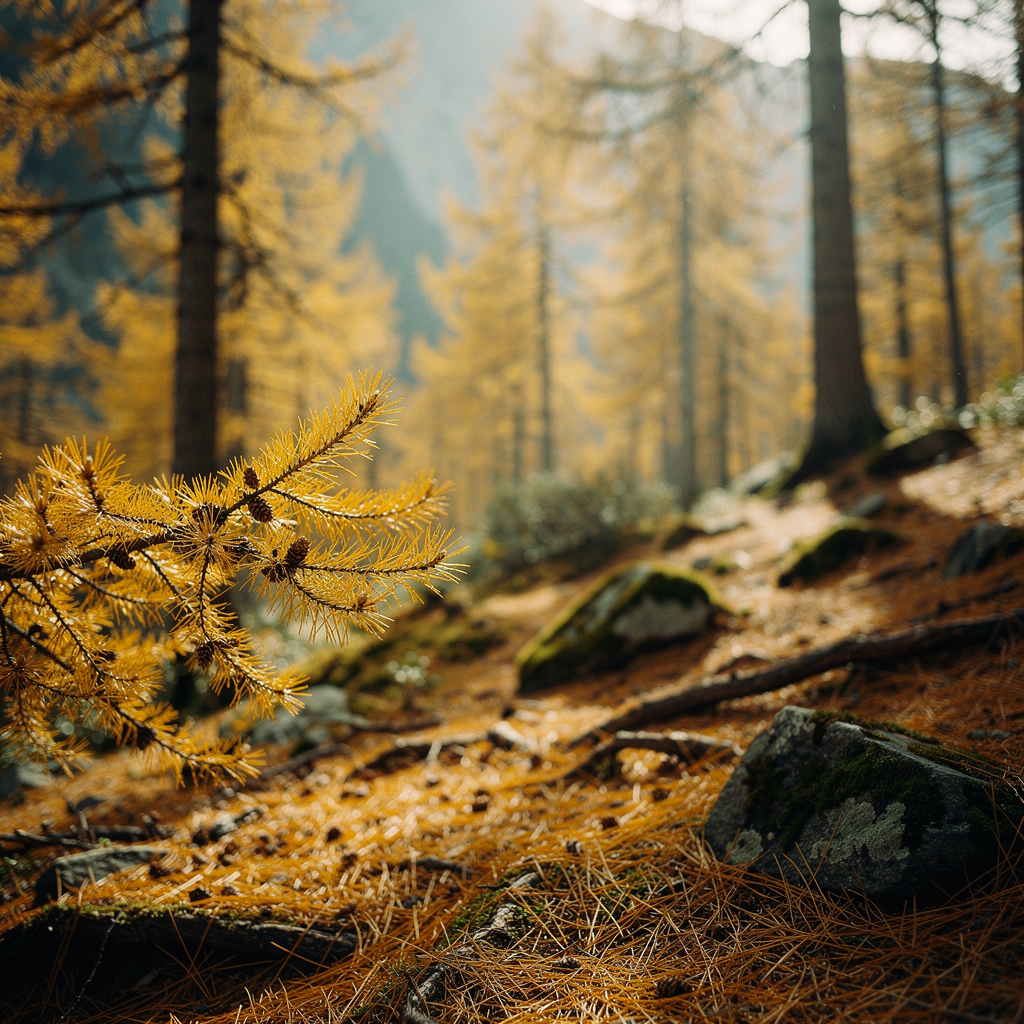
Whoever climbs the slopes above Raron walks through larch forests. The European larch — Larix decidua — is the dominant tree between 1,000 and 2,000 metres in the Valais mountains. In autumn it glows gold; in winter it stands bare. In spring, its resin smells of fresh wood with a depth that is hard to describe but immediately recognisable.
We asked ourselves: if these trees are so characteristic of Valais — why do they appear in none of the local gins?
Why Wood in Gin Is Unusual
In the spirits world, wood is known primarily through barrel ageing. Whisky, rum, cognac — all draw aromas from the cask. That is a long, slow process over months or years.
We take a different path: larch wood as a botanical during maceration. The wood is not used as a barrel, but in small, carefully cut pieces placed directly into the spirit before distillation begins. The difference: aroma extraction happens in hours, not years. The result is more intense, more direct, less rounded — but also more honest.
What Larch Wood Brings
The aromatic compounds of larch are varied. What interests us:
- Arabinogalactans — carbohydrates that give the distillate a slightly sweet, soft texture.
- Resinous terpenes — the wood's true signature: a warm, slightly smoky, forest-smelling note that sits in the background of the distillate like a deep bass line in music.
- Oxidised tannins — in small quantity, they bring a fine astringency that structures the finish.
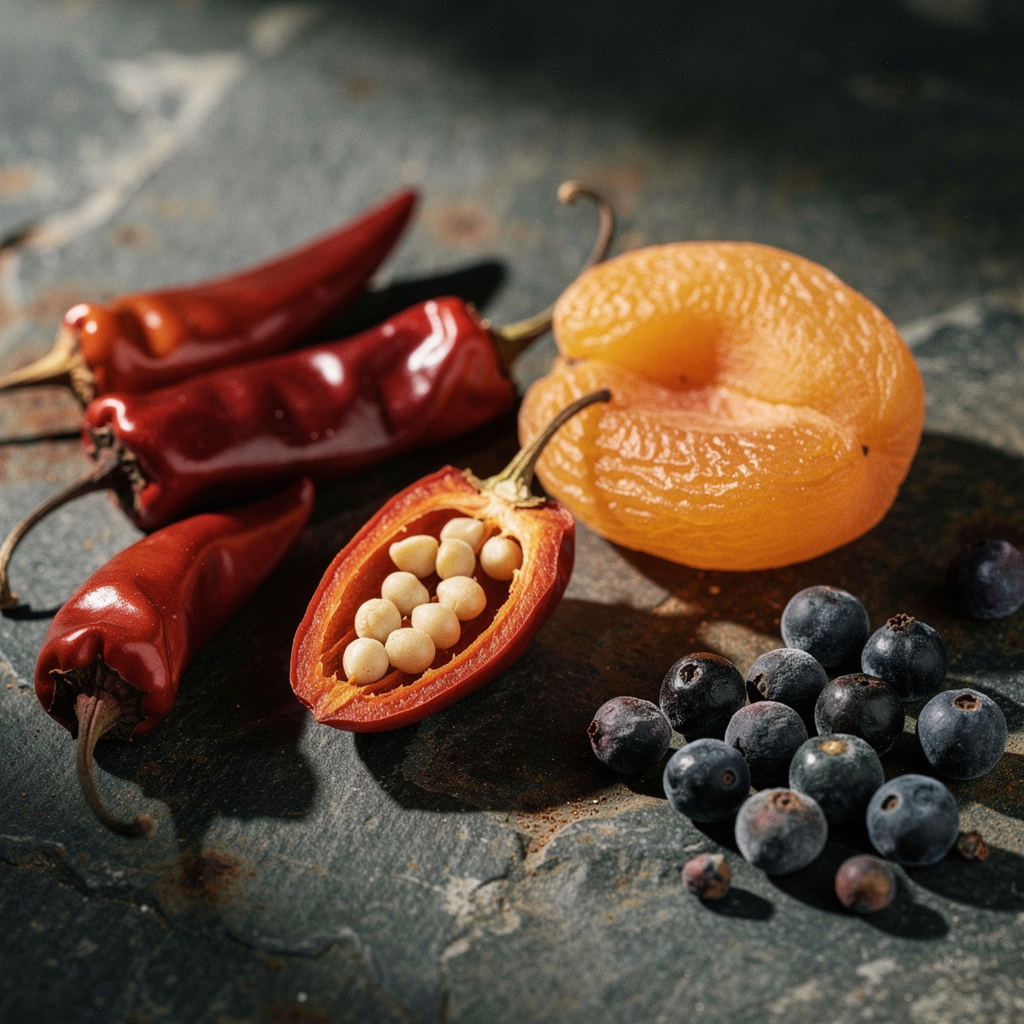
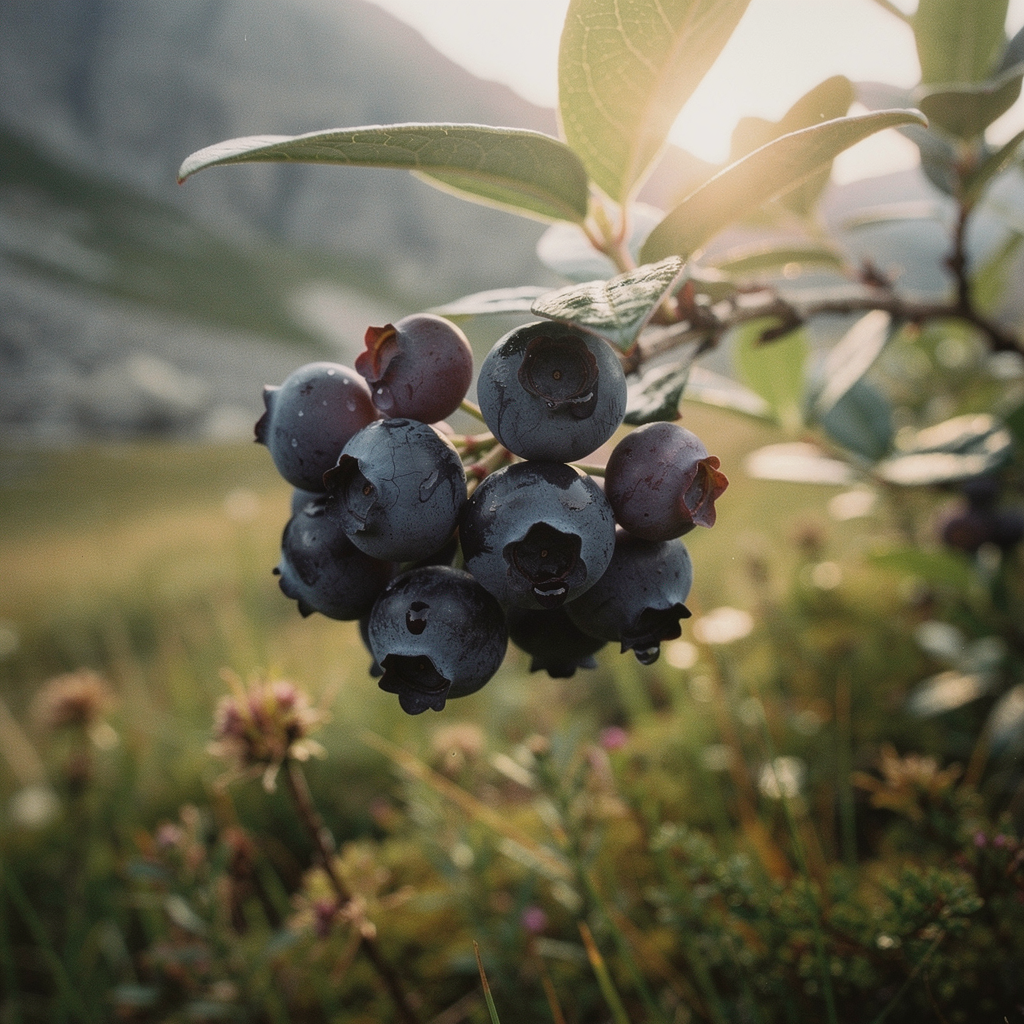
The result in Rarner Gin: a scent that sounds like summer — apricot, berry, freshness — but carries an undertone that says: you are in Valais. You are in the Alps. The wood is there.
The Challenge of Dosing
Larch wood forgives no mistakes in dosing. Too little and the botanical disappears behind ginger and apricot without trace. Too much and Rarner Gin tastes like a small barrel someone forgot to empty.
The optimal window is narrow. We found it over several test batches — and it shifts slightly with each summer, depending on how the year's wood smelled and how the other botanicals turned out. This is one reason why someone who knows what they are smelling must stand at the still.
Sustainability in Sourcing
Larch grows slowly. A tree standing 30 metres today took 150 years to get there. We take only fallen branches and freshly felled wood from local foresters who thin their stands in any case. No living tree is harmed for our gin.
This is not a given. It is a decision we make again with every annual batch.
A Fingerprint, Not a Decoration
Larch wood in gin is not a marketing feature. It is a fingerprint — the botanical that identifies Rarner Gin as a gin from the Valais mountains, not a generic Swiss craft gin. Whoever knows the larch forests above Raron and then tastes Rarner recognises the wood.
That is exactly what we want.