Larch (Larix decidua) is the only deciduous conifer in the Alps — a needle-bearing tree that drops its needles in autumn. In Valais it grows between 1000 and 2400 metres. The wood is resinous, dense, and smells of turpentine and warm earth when freshly cut.
During maceration in alcohol, larch wood releases araboside compounds, resin acids, and terpenes. These compounds are volatile enough to pass into vapour during distillation — but sensitive enough that temperature and maceration time strongly influence the result. Too short a maceration and the wood barely registers. Too long and a dominant resinous tone pushes the gin into the green.
The difference from barrel ageing is fundamental. In barrel ageing, wood changes the spirit over months and years through oxidation, extraction of tannins and lignins, and breakdown of harsh alcohols. In gin we work differently: we cut the wood into thin slices, macerate cool and briefly, then distil. The result is a bright, fresh wood note — no oak vanilla, no caramelisation, but something that smells of alpine resin and pine forest.
In Rarner Gin, larch wood carries the structural mid-section. The apricot is soft and ripe, the ginger sharp, the chilli warm and long. Larch sits between them like a frame: a dry, slightly resinous tone that gives the gin outline without pushing a specific flavour.
For anyone who wants to test larch as a botanical at home: soak freshly cut slices of untreated larch (no treated wood) in spirit at room temperature for 12 to 18 hours. Then taste and compare with an untreated sample. The difference is subtle but real.
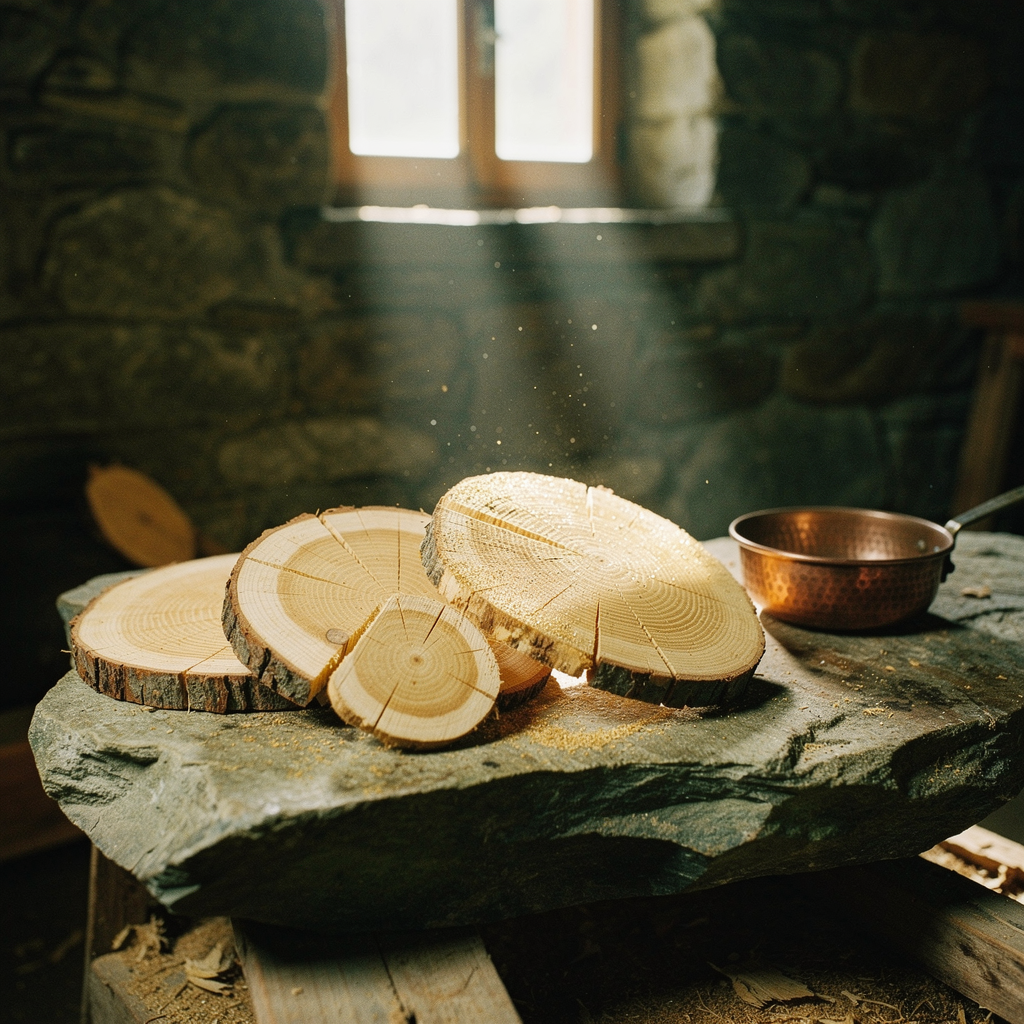
Larch wood in Rarner Gin — what wood does to a distillate
Larch is the only conifer that grows in Valais above 2000 metres. Why we use it as a botanical — and how wood contributes aroma to an unaged gin.
Continue reading
More from the Blog
ingredients·September 3, 2026
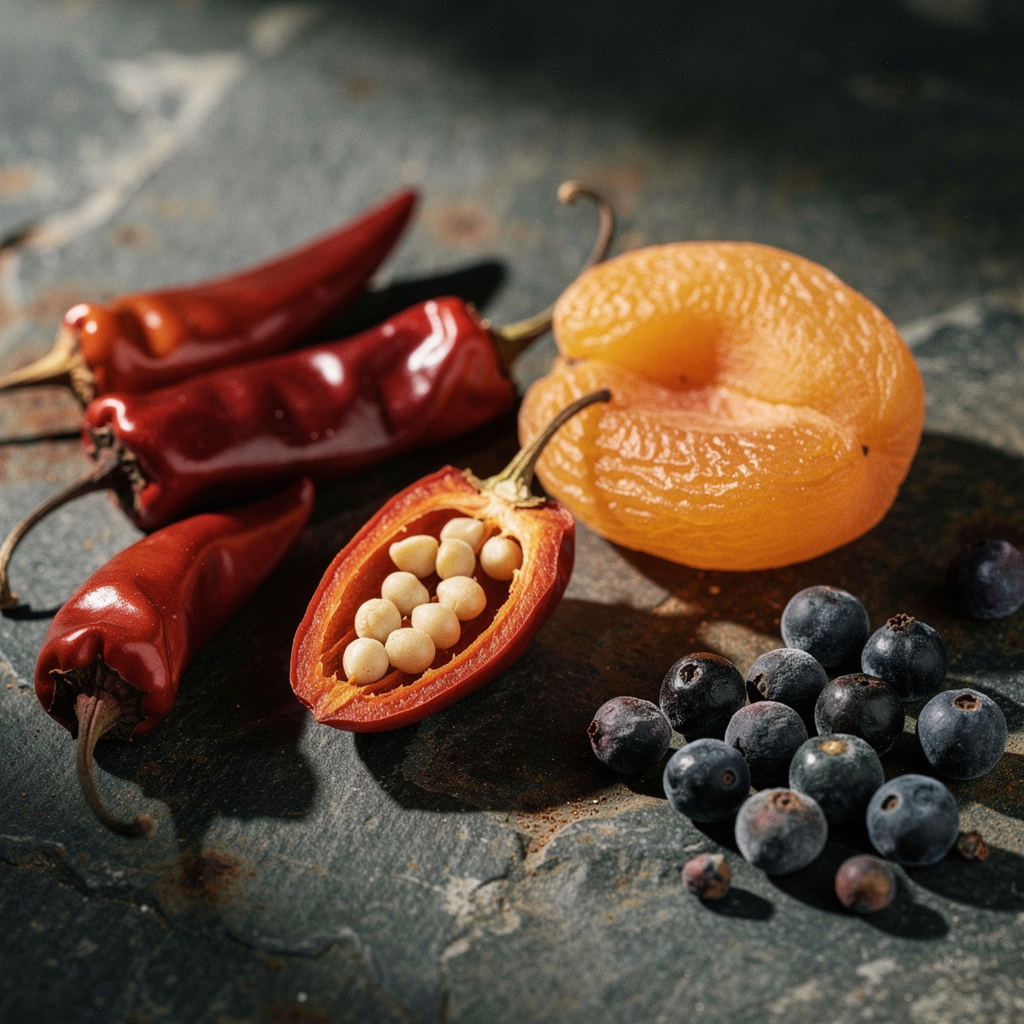
Chilli in Rarner Gin: Why Heat Is Not a Gimmick
Chilli in gin sounds like marketing. In Rarner Gin it is an aromatic decision — it extends the finish, contrasts the apricot sweetness, and gives the gin a tension that would be absent without it.
5 min readRead
ingredients·August 6, 2026
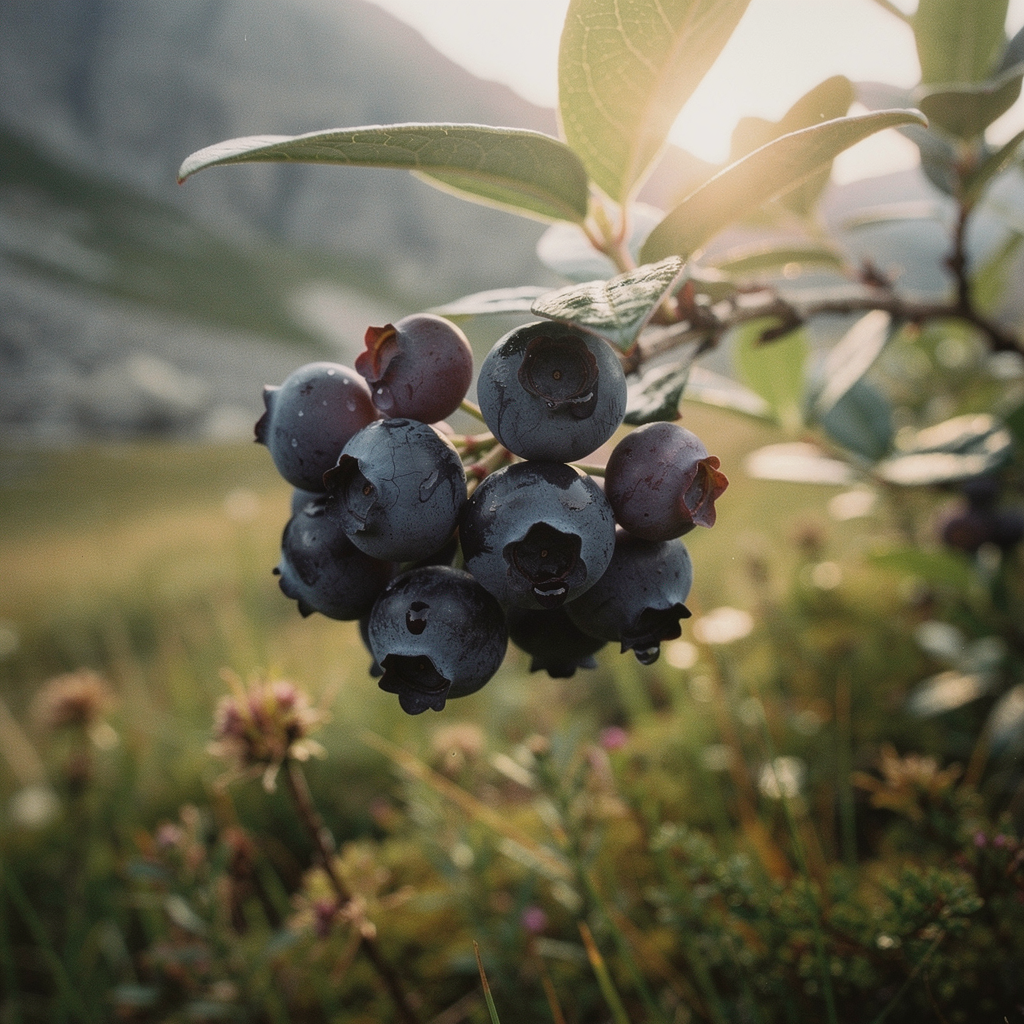
Blueberry in Rarner Gin: An Underestimated Botanical
The blueberry is the quietest botanical in Rarner Gin — and perhaps the most important. It bridges the fruity apricot and the earthy larch wood into a profile that would fall apart without it.
5 min readRead
ingredients·June 11, 2026
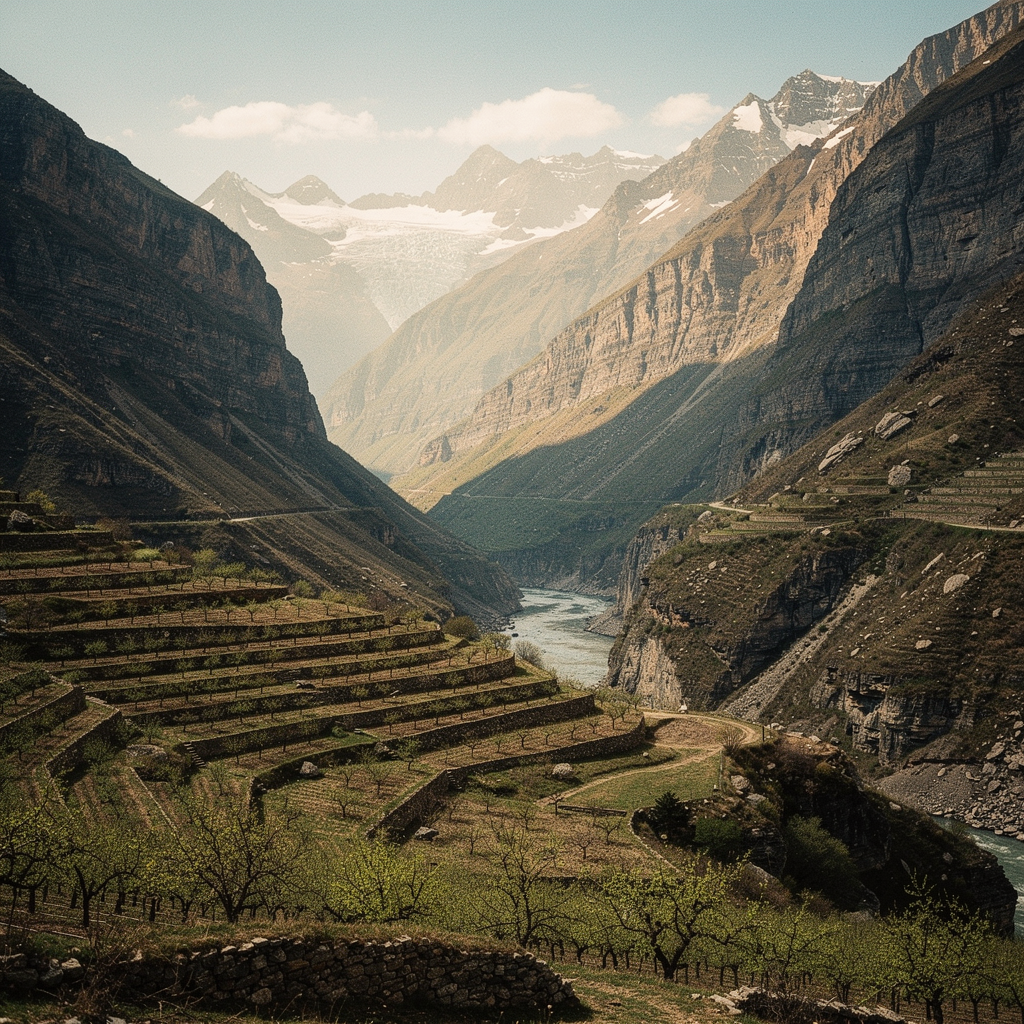
The Rhône Valley as Terroir: How Geography Shapes Flavour
Terroir is a wine term. But what it describes — the influence of soil, climate and location on a product — applies equally to gin. Why the Rhône valley is not an arbitrary location for a distillery.
5 min readRead