Large distilleries produce gin in tanks the size of apartment buildings. They distil continuously, around the clock, with precisely controlled parameters. The result is remarkably consistent — and often remarkably predictable.
What Scaling Costs
Distilling gin in small batches isn’t simply a question of volume. It’s a question of what’s possible at every step of the process — and what isn’t.
In a large distillery, botanicals are precisely dosed and parameters strictly maintained. This guarantees reproducibility. But it also eliminates the ability to respond to the raw material. If a particular year’s juniper is more intense, large producers rarely adjust the recipe. They hold the formula. We don’t.
Hands at the Still
At every distillation run at Salzmann Distillery, someone stands at the still. Not for lack of automation — but because distilling is judging. When does the heart cut begin? What is the right moment to transition to the tails? The palate decides, not the timer.
Heads and tails are consistently separated and not used in Solstice Gin. This significantly reduces the yield per batch. It significantly increases the quality.
The Size of the Still
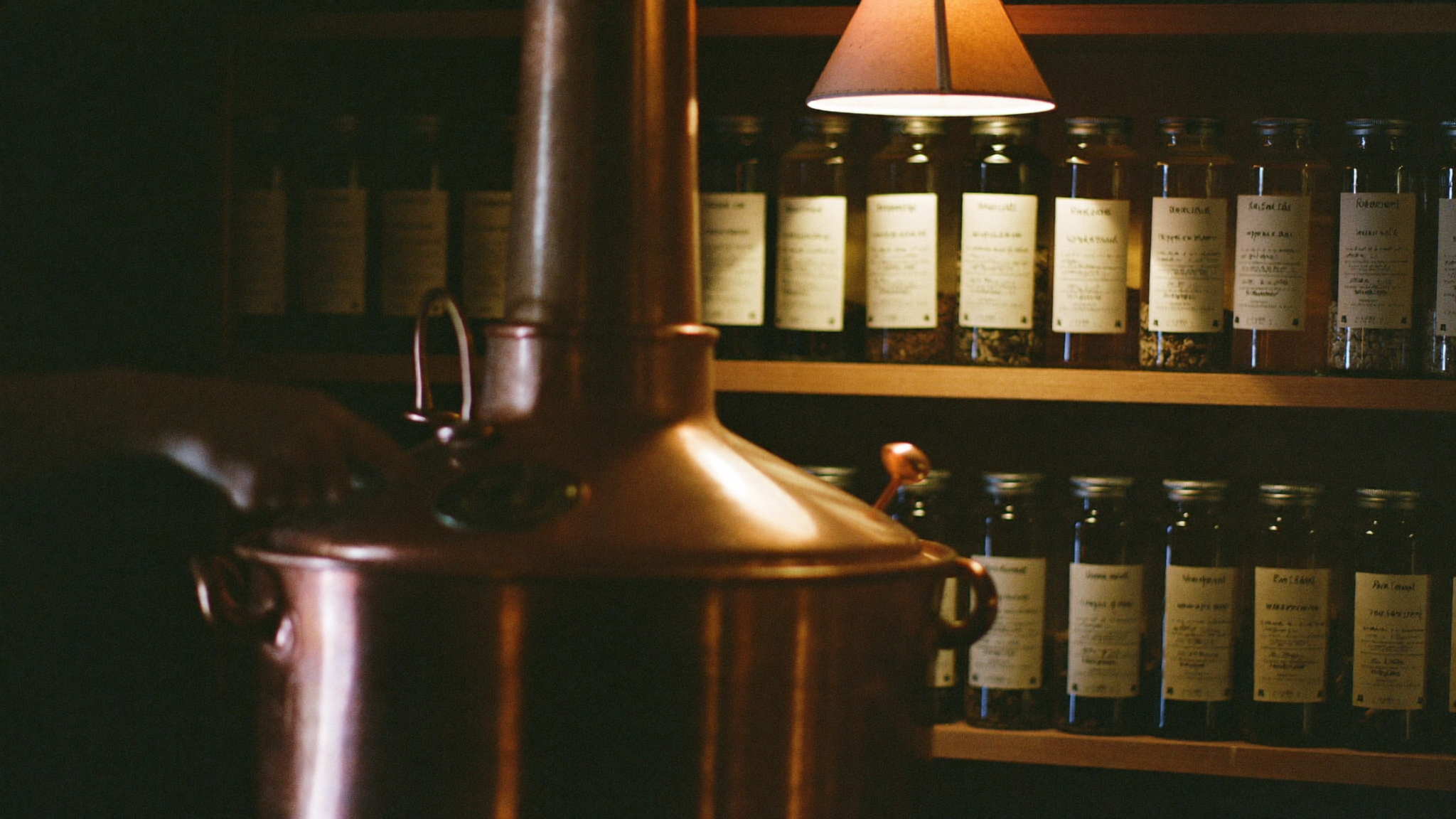
Our still holds 200 litres. That sounds small — and it is. It means we produce a limited quantity of Solstice Gin per distillation run, and that each batch has its own, slightly individual character.
Large producers work with apparatus twenty or a hundred times that size. The advantage: volume and price. The disadvantage: what no longer fits in a single room can no longer be understood at a glance.
Consistency Through Care
A frequent criticism of small batches: lack of consistency. Our answer: consistency comes from craft, not automation. Knowing your process, your raw materials, your still — this achieves batch-to-batch reliability without sacrificing the living variation that makes good craft gin.
A Solstice Gin from spring and one from autumn will differ slightly. That’s not a flaw. It’s the vintage signature.
What This Means for You
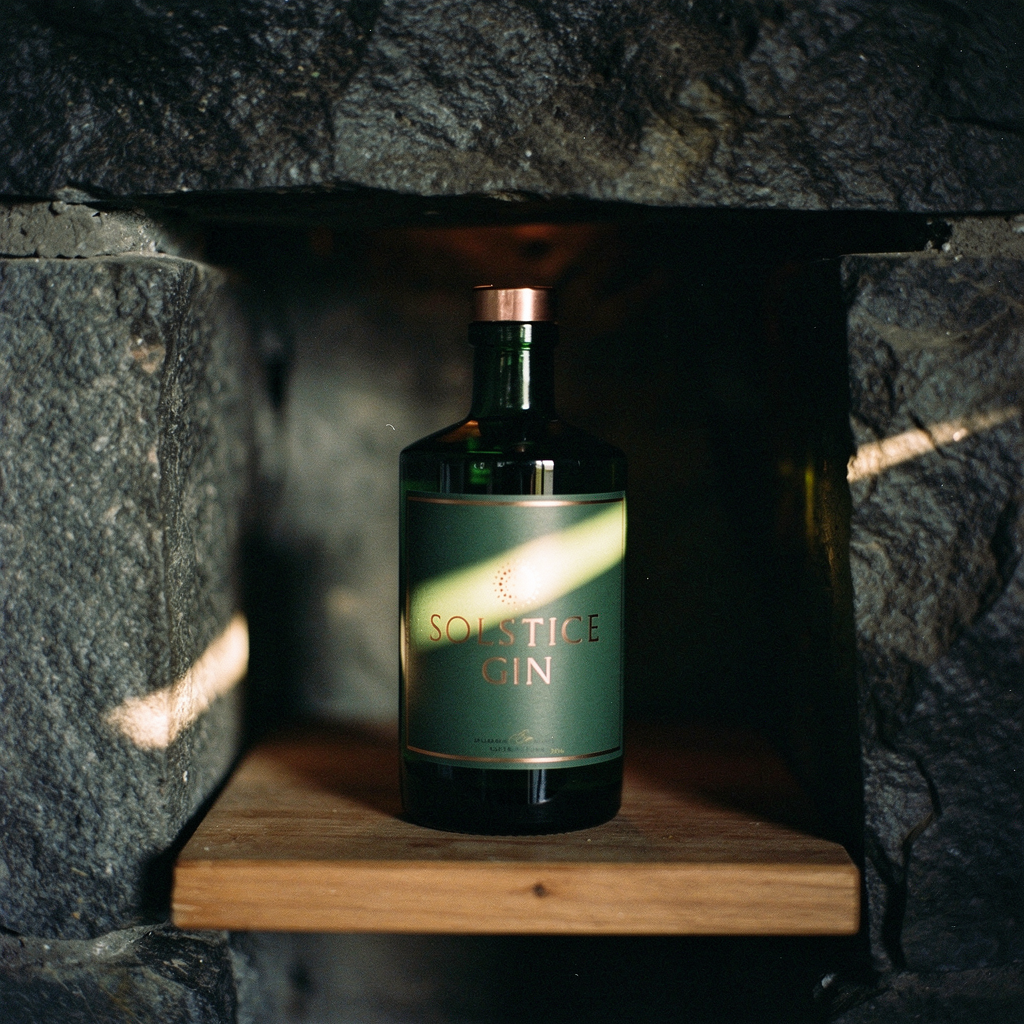
When you buy a bottle of Solstice Gin, you’re buying the result of a single, hand-crafted distillation run. Not a blend of hundreds of batches married to uniform flavour. Just botanicals, water, fire and judgement.
That’s what a small distillery can do. And that’s why we don’t want to become larger.