Anyone who thinks a gin comes from a recipe has never made one. A recipe is a starting point. What happens next — in the still, in the distillate, on the palate — that is the actual conversation. And like every good conversation, it often leads somewhere unplanned.
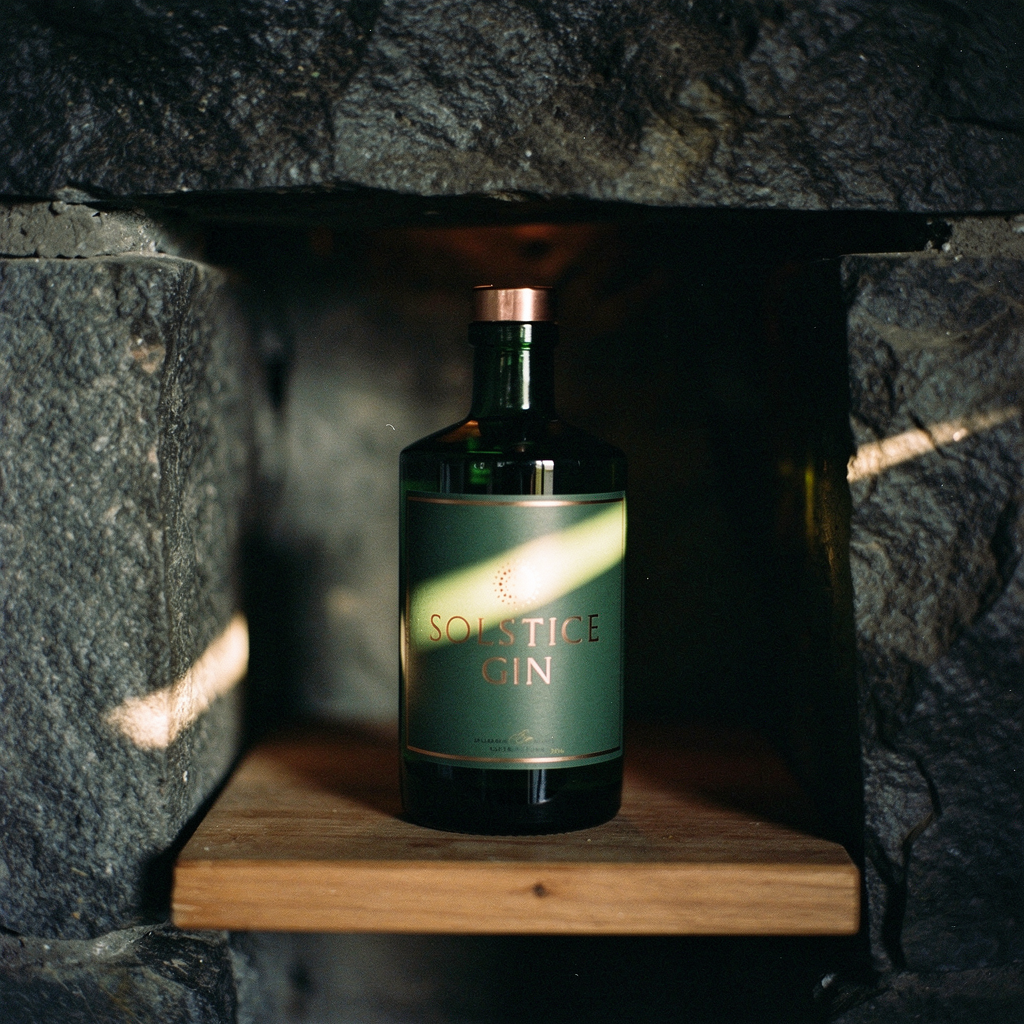
The first batch of Solstice Gin was that conversation.
The Starting Recipe
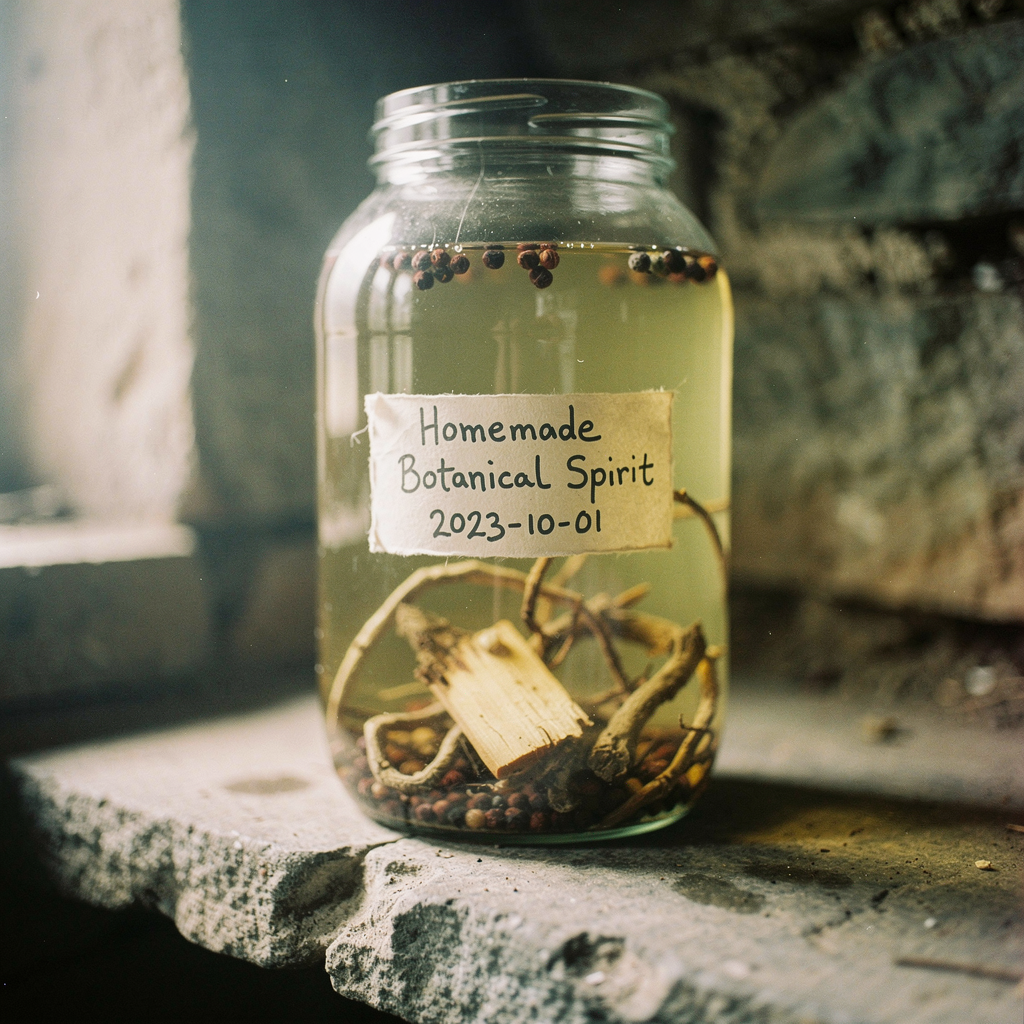
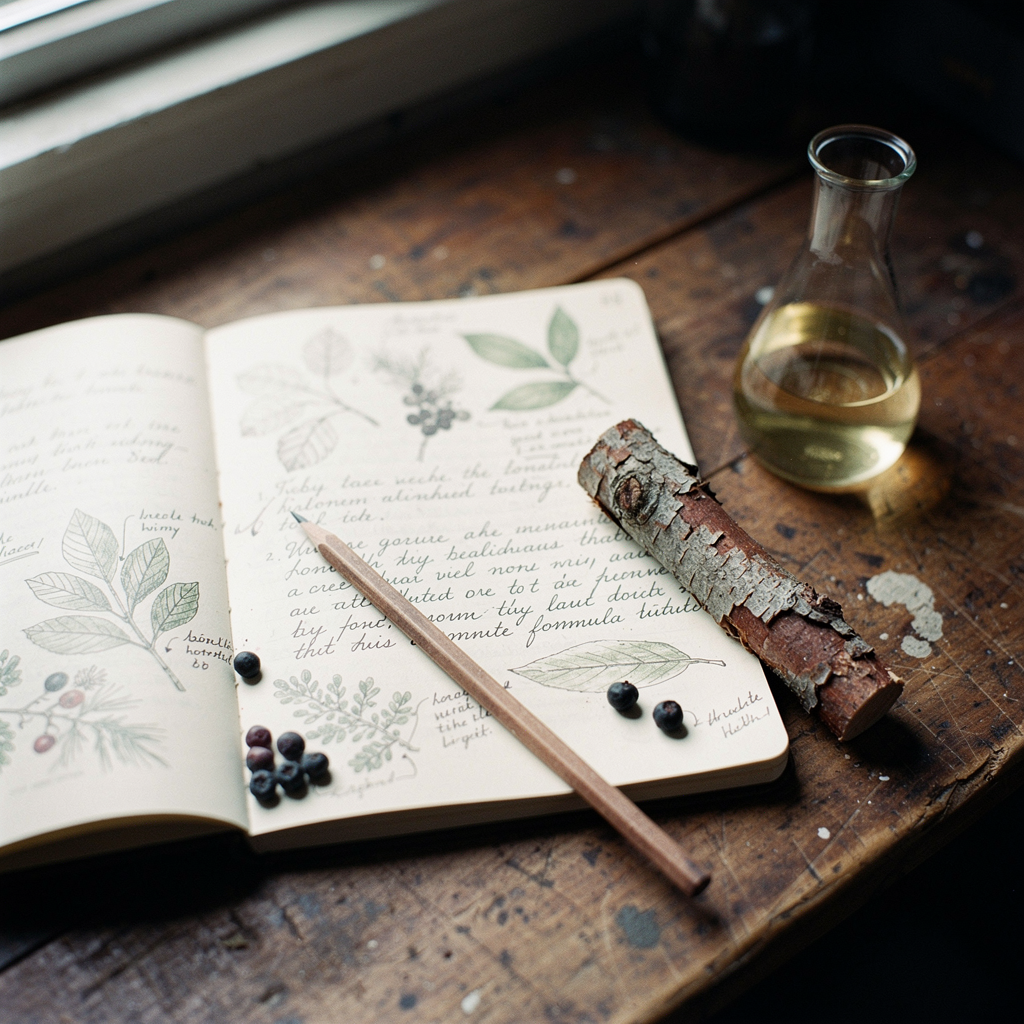
We began with a classical gin structure: juniper at the centre, coriander seed and angelica root as structural companions, elderflower for the floral note, citrus peel for freshness. Gentian for regional identity. Seven botanicals in total — a manageable number for a first batch.
On paper it was a solid gin. On the palate it was correct, balanced — and entirely interchangeable. It could have come from London. It could have come from Hamburg. It didn't smell of Raron. It didn't smell of Valais.
What Was Missing
After tasting the first batch, we sat quietly for a long time. Not because something was wrong — technically everything was in order. But because nothing was right. The gin had no fingerprint. It was tidy, but it had no story.
What was missing, Prisca Salzmann recognised looking out the window at the hillsides: depth. Resinous depth. The smell of the forests above Raron. The bitterness that Valais carries in its plants. The earthiness you bring home on your boots after a hike.
The Second Iteration
We brought in the larch wood. Not as a small addition — as a structural element. At the same time, we increased the gentian proportion until the bitterness was no longer a background note but a standalone characteristic. And we removed the angelica root, which had played a neutral, structural role in the first batch without contributing character.
The result was not perfect. But for the first time it was recognisable: it was a gin from Valais.
What the Path from Batch to Batch Teaches
Between the second and the final version of Solstice Gin there were six further iterations. Each changed something: maceration time, the ratio between fresh and dried botanicals, temperature management in the still, the cut point between heads and heart.
These iterations are not failures. They are learning. Every batch asks a question: what is too much? What is missing? Where does the balance lie between what the gin should be and what the botanicals and the still make of it?
Solstice Gin today is the distillate of those questions. Not an invention from a textbook, but an answer that emerged from repeated asking.
Why We Tell This
Products that feel perfect and complete often have their origin in uncertainty and error. This is true for gin as much as for anything else. The first batch of Solstice Gin was mediocre. The second was promising. The eighth was the gin we were looking for.
That is not weakness. That is the process — and the process is worth telling.