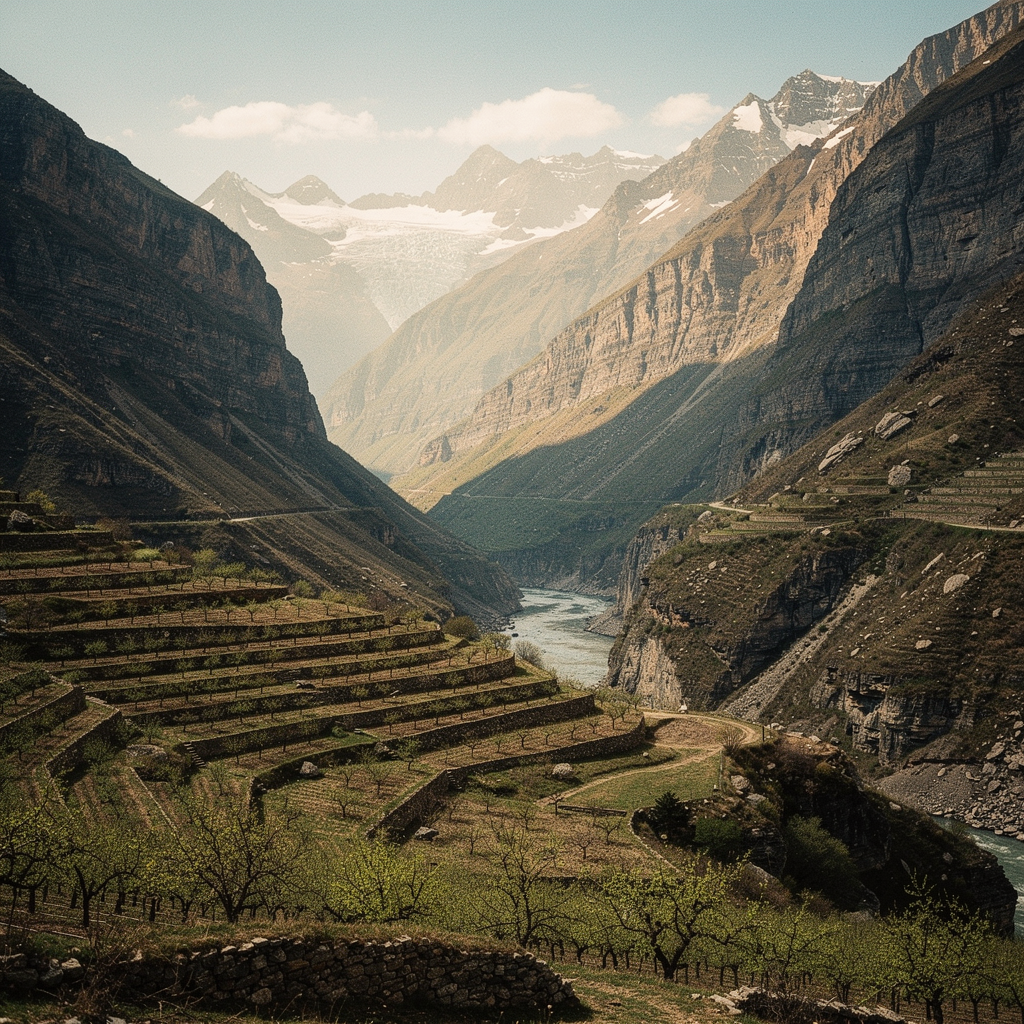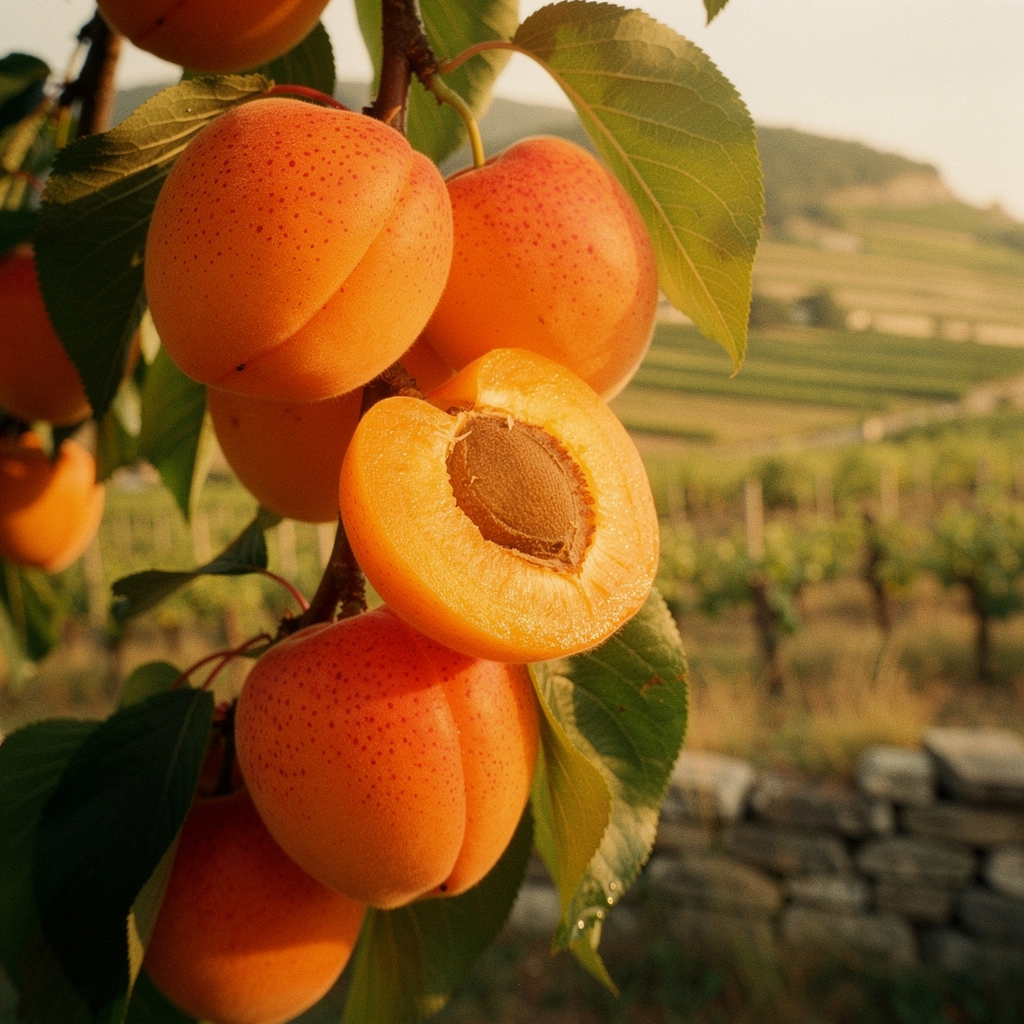
In the Rhône Valley, apricots ripen every year between mid-July and the end of August. Driving through Valais, you see the trees in straight rows on the hillsides, fruit orange and heavy on the branches. Valais produces more than nine out of ten Swiss apricots — and the quality of these fruits is different from what passes for an apricot in supermarkets outside Switzerland.
Why Valais Apricots Are Different
The paradox of the Valais apricot: it ripens slowly, because the climate demands it — short summers, cold nights, dry mountain air. These conditions are identical to those that shape our other botanicals. Slow ripening means sugar concentration and aromatic intensity. A Valais apricot in August smells of warm honey, blossom and the sun-warmed stone of the Rhône slopes simultaneously.
An imported apricot from the Spanish lowlands smells of apricot. That is the entire difference.
Fresh or Dried: A Decision with Consequences
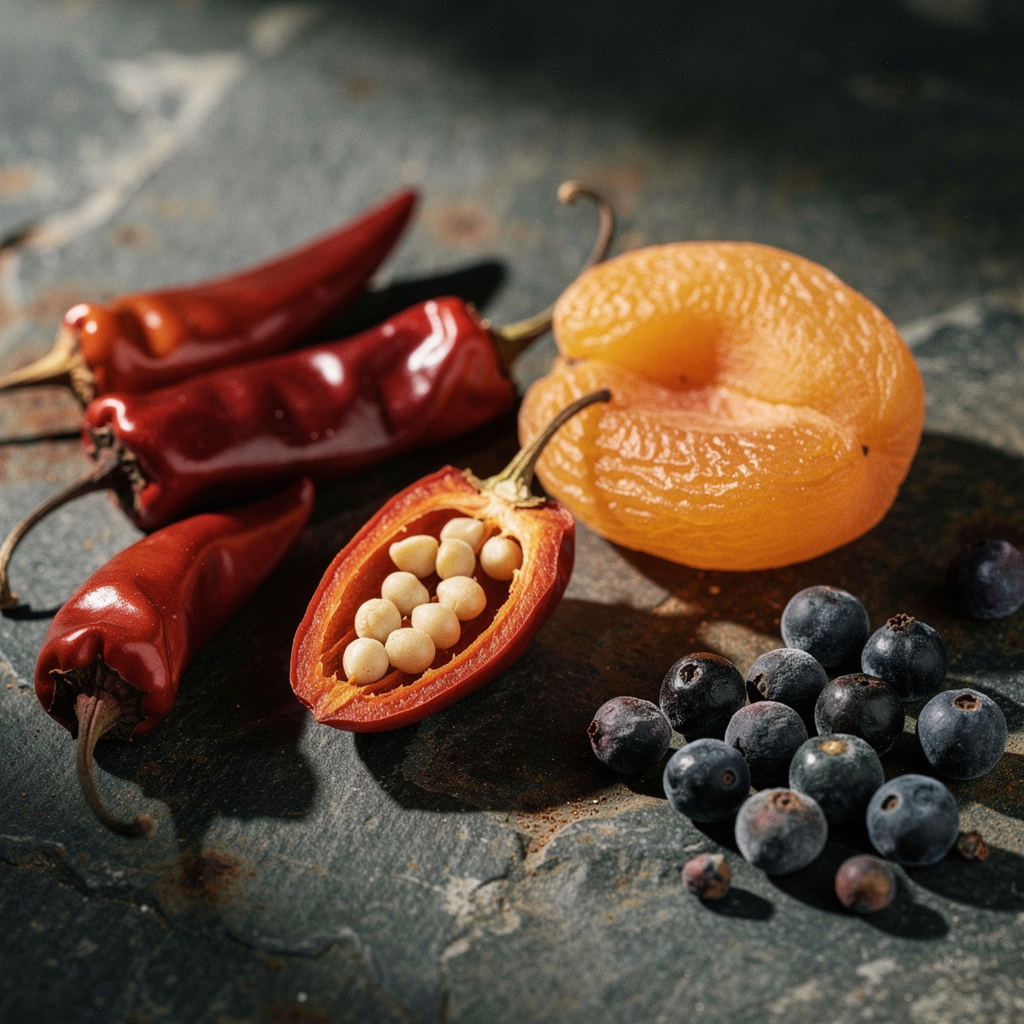
For Rarner Gin we use dried Valais apricots. This is a deliberate choice that deserves explaining.
Fresh apricots have more water content, a brighter aroma and a freshness that is largely lost in distillation — the volatile, floral compounds of fresh fruit survive distillation less well than the concentrated, deeper compounds of dried fruit. Dried apricots, by contrast, bring caramel, honey, dried plum — a richness that holds in the distillate and anchors Rarner Gin in its round, warm mid-palate.
Botanicals from Fruit — What Happens Chemically
Apricots contain a high concentration of linalool — the same compound that makes lavender, bergamot and many wines floral. In Rarner Gin, this linalool from the apricot combines with the linalool from coriander seed: two sources of the same fragrant compound that layer in the distillate into a floral depth that neither source alone could have achieved.
This is not theory. It is the reason Rarner Gin is both floral and warm in the mid-palate simultaneously.
The Relationship with the Orchardists
We source our apricots from orchardists in central Valais — family operations that have worked their trees for generations. Not because it is more romantic than wholesale, but because it creates a direct connection between raw material and finished product that we consider essential.
If a summer is exceptionally hot and the apricots ripen earlier, taste more intense, become slightly sweeter — we know that before we distil. We can adjust the maceration. No wholesaler would tell us that.
The Apricot as a Valais Statement
Juniper is found in gin botanicals from around the world. Gentian appears in many alpine regions. But the Valais apricot is specific — it carries an origin shaped by the climate, soil and cultivation methods of this valley.
When you drink Rarner Gin and notice that warm, honeyed, faintly floral element — that is Valais. That is not flavour. That is geography.