## The Forgotten Step
Distillation gets all the attention. The botanicals, the still, the cuts — that's what gets talked about. The water added afterwards, almost never.
Yet it isn't trivial. Raw spirit leaving a copper pot still comes off at 70–80 % ABV. For a Solstice Gin to be bottled at 43 %, a substantial amount of water must be added. That water is the last step before the bottle — and it shapes the finished product more than most people assume.
## What Hard Water Does to Gin
Water with high mineral content — particularly calcium and magnesium — can react with the essential oils of the botanicals. The result is visible: cloudiness, often called the "louche" or "ouzo effect." On the palate, hard water can overwrite the fine structure of aromas and leave a metallic aftertaste.
Soft water, on the other hand — which is what glacial water is known for — contains few dissolved minerals. It integrates without interference. The botanical aromas remain intact, the texture becomes silkier, the finish longer.
## The Water at Salzmann Distillery
Salzmann Distillery sits in Raron, at the foot of the Valais Alps. The water we use for reduction comes from the alpine water cycle — filtered over decades through layers of limestone and primordial rock. It is one of the naturally softest waters in Europe.
That's not a marketing argument. It's the character of the ground beneath us — and it shapes Solstice Gin just as much as the apricots and larch we use.
## A Quick Test
If you add Solstice Gin with cold water to a glass: no cloudiness. The distillate stays completely clear. That's a sign of water quality — and care in production.
Water in gin is not a diluent. It is an ingredient.
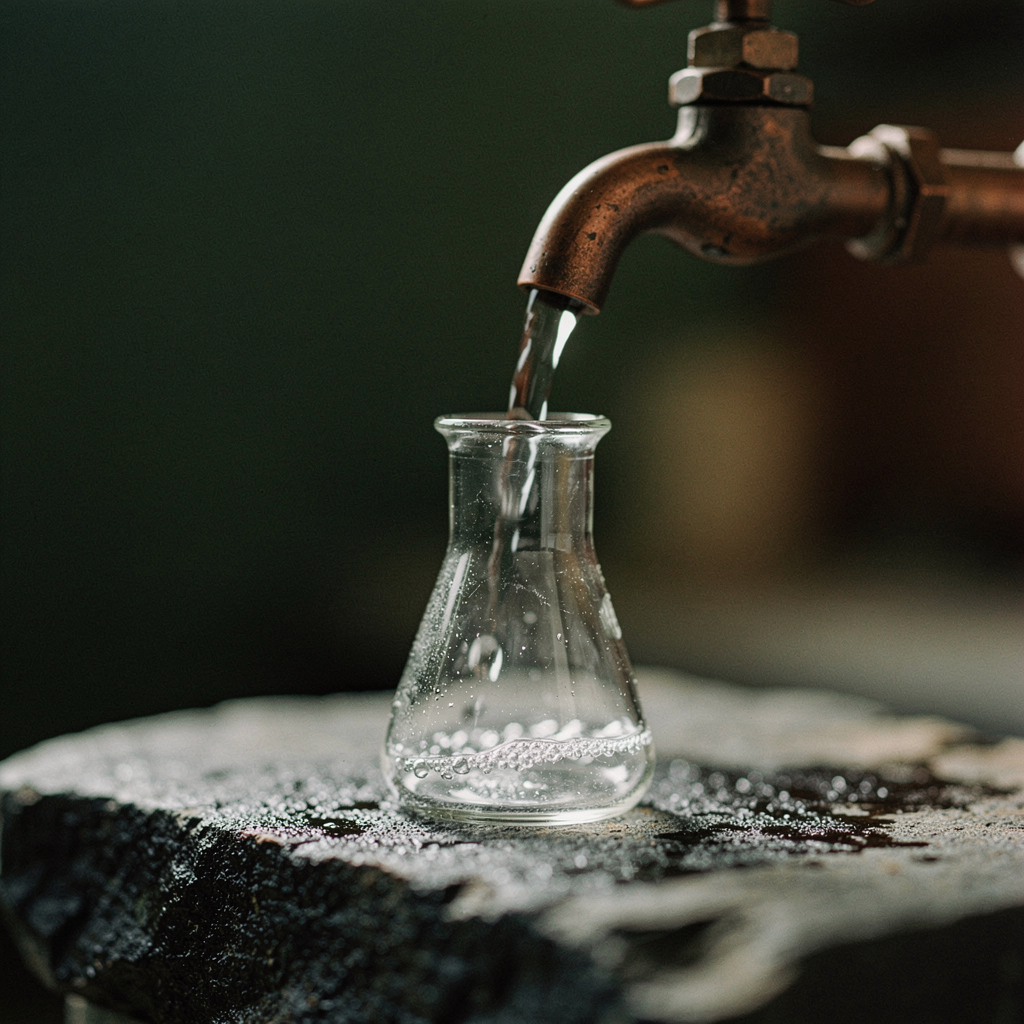
Water in Gin: Why Glacial Water Is Not a Marketing Trick
After distillation, every gin must be reduced to drinking strength. The water used at this stage is not neutral — it shapes the finish, the texture, and the clarity of the final product.
Continue reading
More from the Blog
distillery·July 23, 2026
Maceration: How Long Botanicals Steep in Alcohol — and Why It Matters
Before distillation, botanicals macerate in alcohol. How long, at what temperature, in what order — this is not a side detail. It is the quiet phase where the character of a gin is decided.
5 min readRead
distillery·May 14, 2026
How to Store Gin Correctly: What Light, Heat and Air Do to Your Bottle
Gin is robust — but not invulnerable. Incorrect storage changes the aroma measurably over months. Three factors every gin lover should know.
5 min readRead
distillery·April 30, 2026
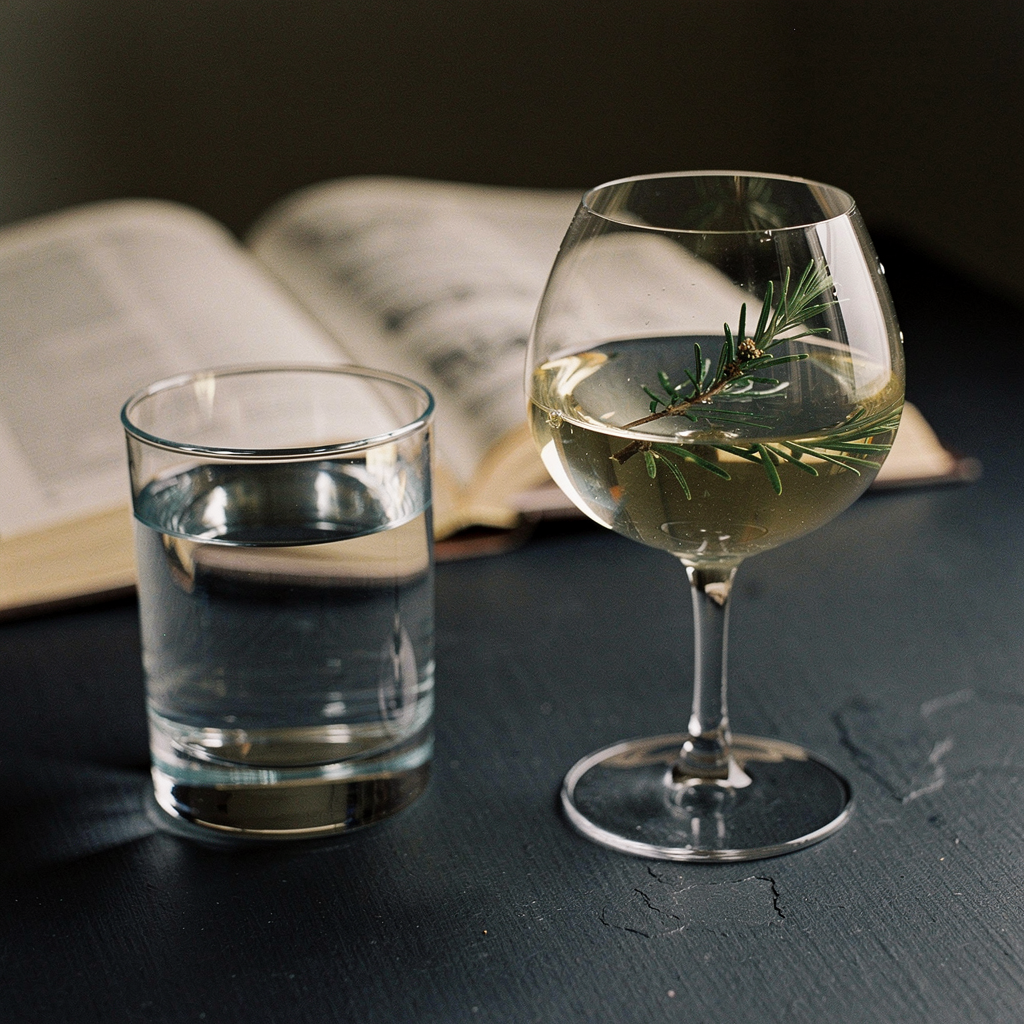
London Dry vs. New Western Gin: Why Categories Matter — and Why They Don’t
London Dry, New Western, Contemporary — the styles say something about a gin. But they don’t explain why it’s good. An honest classification of where Solstice Gin sits.
5 min readRead