EU spirits regulations permit adding up to 0.1 g of sugar per litre to a gin without labelling it as "sweetened". Colourants (E-numbers) are also permitted in certain categories without mandatory declaration. "Natural flavourings" — extracts and concentrates legally derived from plant sources — may be added as long as the final product meets the botanical requirements.
This is not illegal. It is also not unusual. It means that what smells and tastes in the glass does not necessarily reflect what was actually distilled.
We do not do this. In our gins — Solstice Gin, Rarner Gin, Hiemalis Gin — there is only the distillate and the cutting water (alpine spring water from Valais). No sugar. No colour. No added flavourings. No glycerin smoothers.
Why? Not for marketing reasons. We want the taste in the glass to be directly traceable to the botanicals and our distillation decisions. If a distillate sounds flat, it is a problem with the maceration or the cut — not something to disguise with a flavouring agent. That forces us to get better.
This has consequences. No two batches are identical because we do not rely on aroma standards. If a harvest year changes the apricot character in Rarner Gin, it changes in the distillate. We can manage this through cut and recipe adjustments — but we cannot distil it away and replace it with a flavour addition.
This is more uncomfortable than the industry standard. It is also more honest. What is in the glass was actually distilled. You can see in the product what the harvest year brought. That is what interests us.
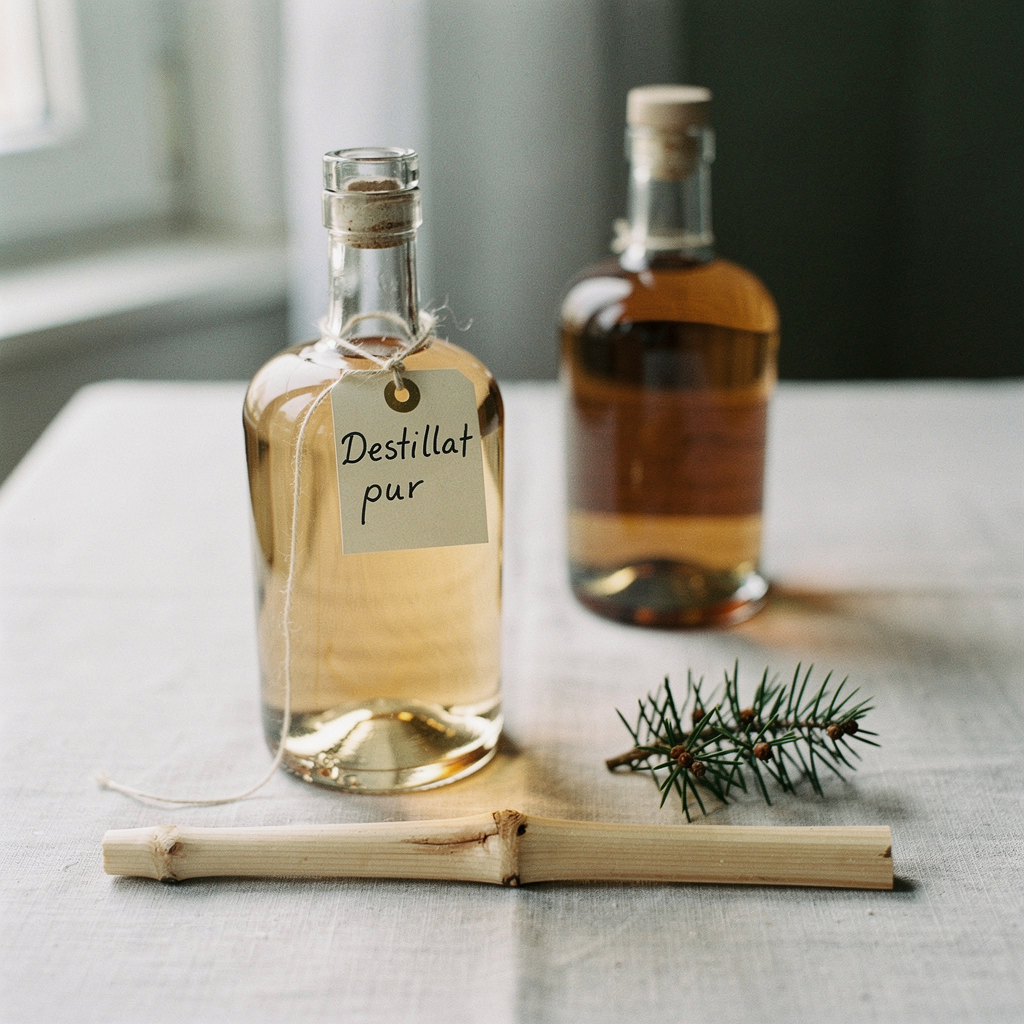
Why we use no colourants or added flavours
Many gins contain sugar, colourants, or natural flavourings — and are not required to declare them. We use none. What this means and why it matters to us.
Continue reading
More from the Blog
distillery·July 23, 2026
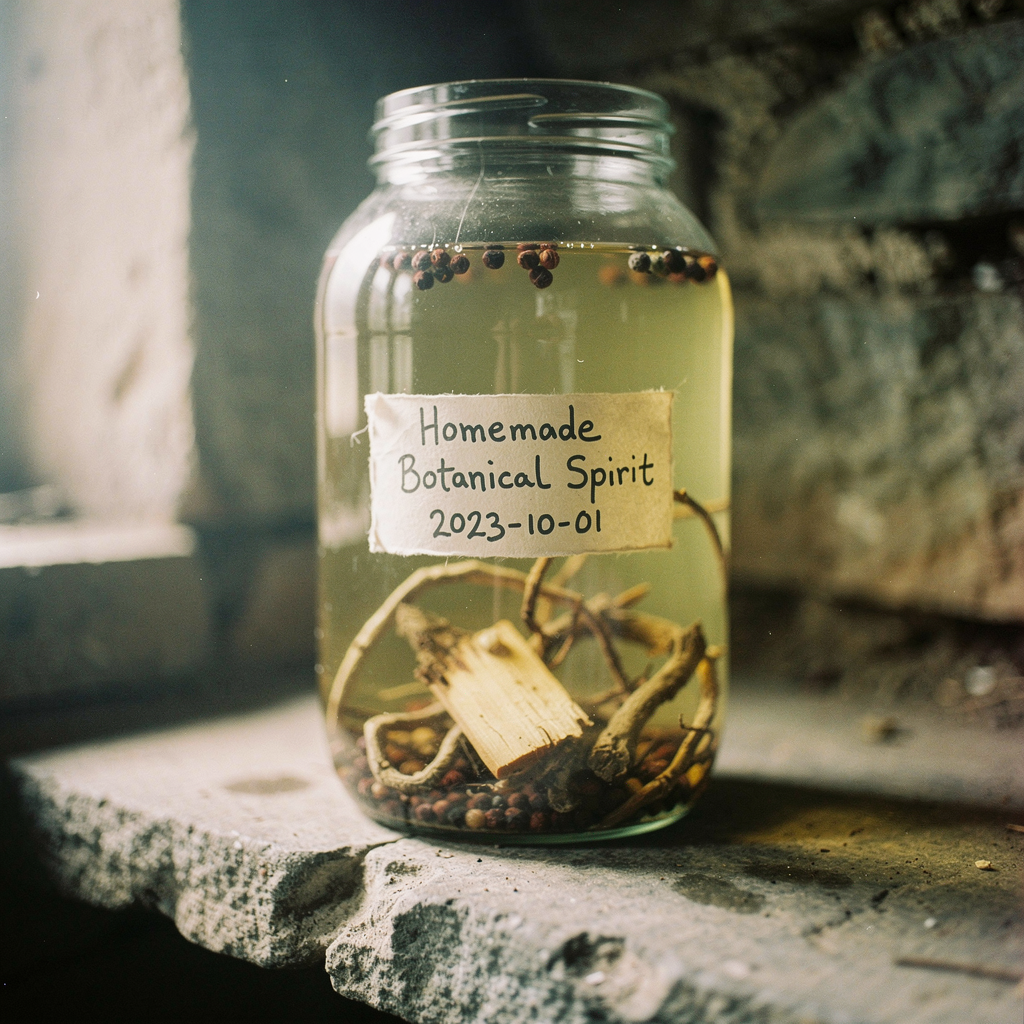
Maceration: How Long Botanicals Steep in Alcohol — and Why It Matters
Before distillation, botanicals macerate in alcohol. How long, at what temperature, in what order — this is not a side detail. It is the quiet phase where the character of a gin is decided.
5 min readRead
distillery·May 14, 2026
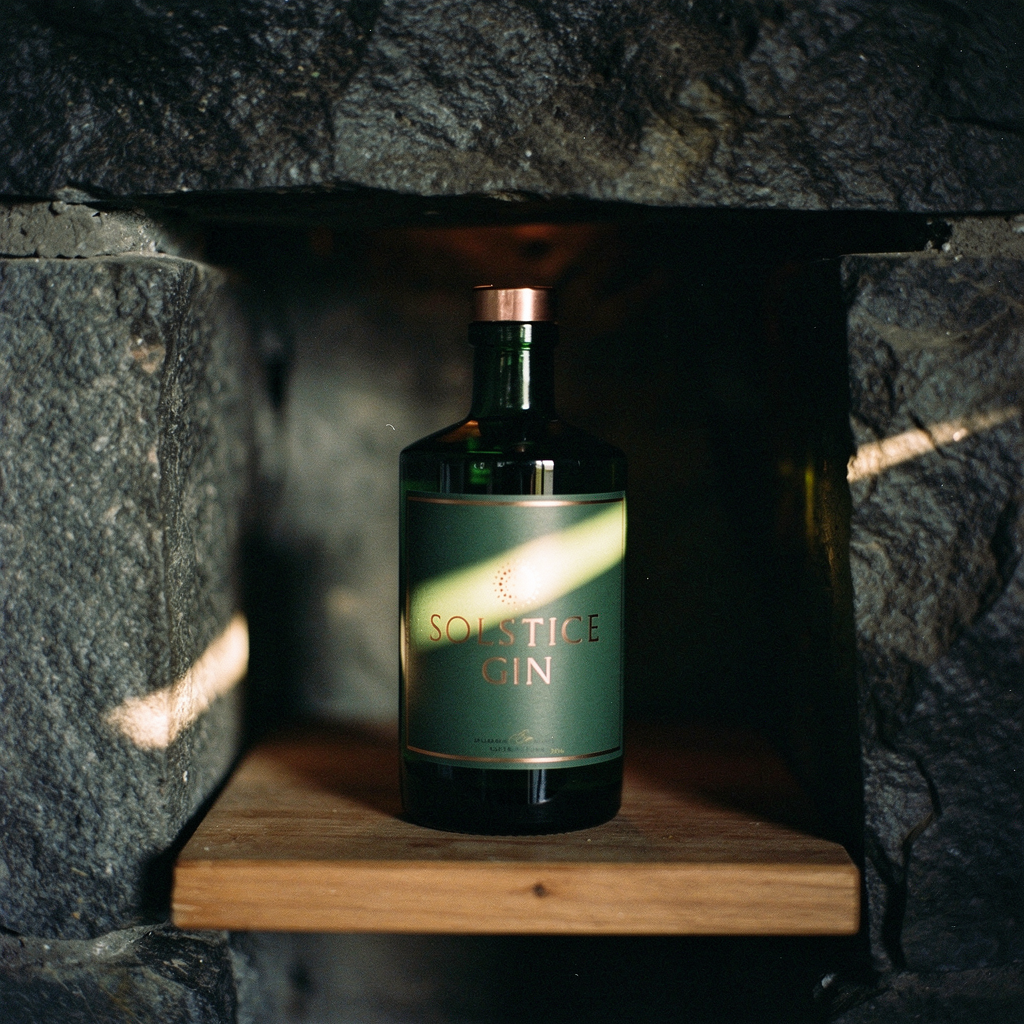
How to Store Gin Correctly: What Light, Heat and Air Do to Your Bottle
Gin is robust — but not invulnerable. Incorrect storage changes the aroma measurably over months. Three factors every gin lover should know.
5 min readRead
distillery·April 30, 2026
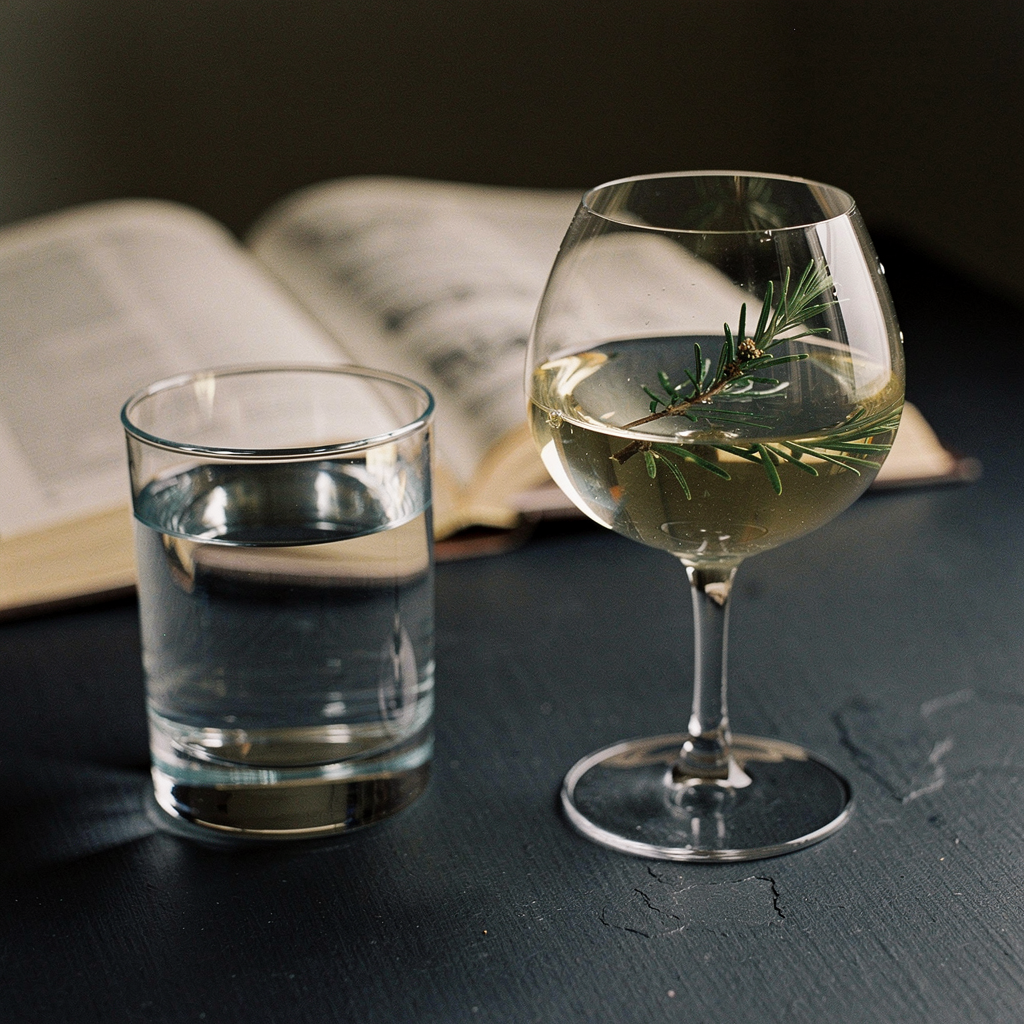
London Dry vs. New Western Gin: Why Categories Matter — and Why They Don’t
London Dry, New Western, Contemporary — the styles say something about a gin. But they don’t explain why it’s good. An honest classification of where Solstice Gin sits.
5 min readRead